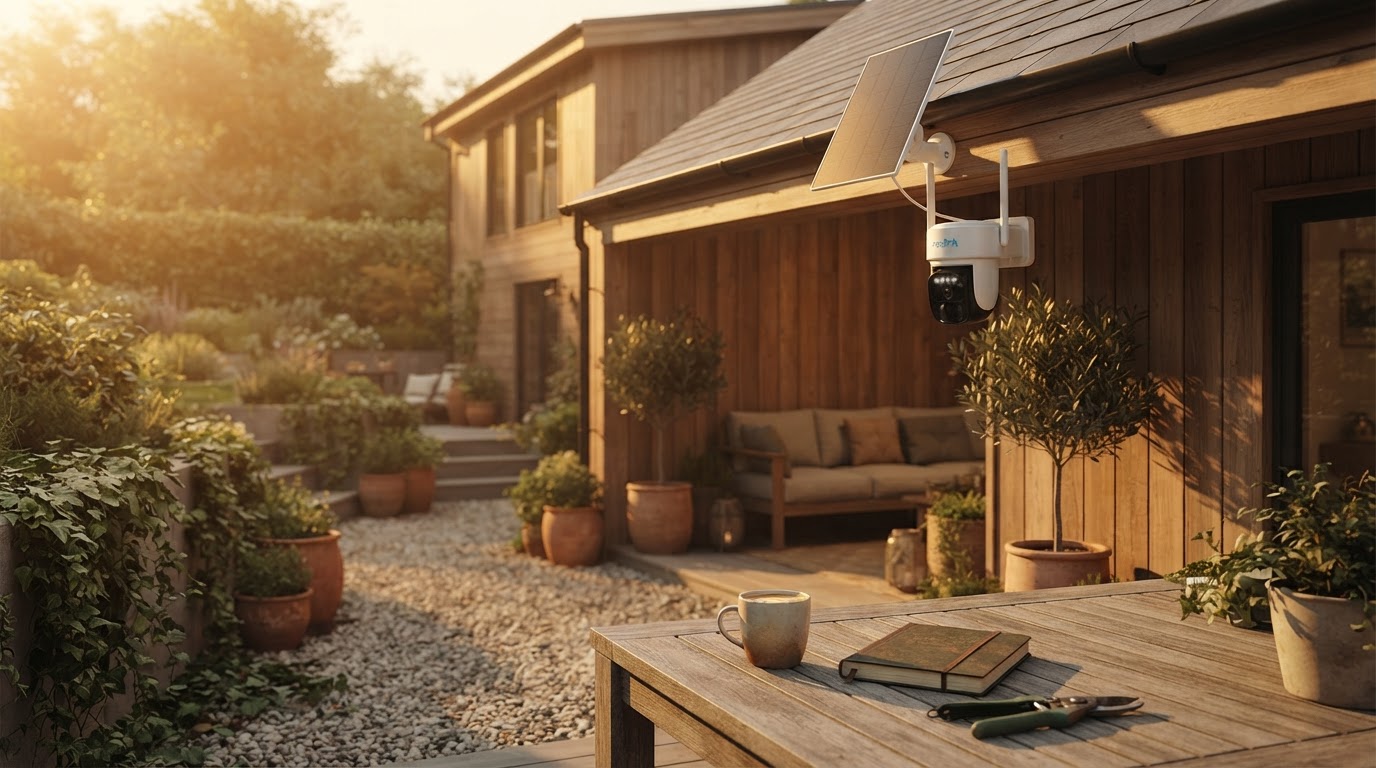
Reolink Solar Floodlight Camera Review: Three Smart Checks
 Sam VasquezBuying Guide Lead
September 23, 2026 — The market for integrated illumination is shifting as the Outdoor Solar Security Camera becomes a standard for homeowners seeking perimeter lighting without the electrical bill. Recent hardware updates have moved these devices from simple accent lights to robust security tools that combine high-lumen output with intelligent detection.
While early models often failed to provide enough light for clear video, current offerings like the Reolink Solar Floodlight Cam provide 2K 4MP video and AI-driven lighting that covers a 150-degree area. According to testing data from Maxsa Innovations, motion-activated solar floodlights now reach up to 600 lumens, ensuring that the sensor-triggered recording is actually useful rather than a blur of dark pixels. I have spent time looking at how these units handle high-traffic areas where battery depletion is a common concern.
The Three Smart Checks
When evaluating an Outdoor Solar Security Camera with integrated lighting, I look at three specific performance metrics: trigger speed, light intensity, and recharge efficiency. The Reolink model stands out with its 2K resolution and 150-degree coverage, providing a clear view up to 10 meters away. In contrast, the Wyze Solar Cam Pan offers a 160-degree wide-angle view and 270-degree PIR motion detection, which is better for corner mounting where you need to see around the side of a building. If you're on a budget, the Maxsa Solar-Powered Security Video Camera and Spotlight provides basic coverage for under $100, though it lacks the high-definition clarity of the Reolink. The Reolink unit is specifically rated for 2K 4MP video, which is the baseline I recommend for identifying faces at a distance. Between these two, I'd go with the Reolink for its superior video quality, even if the Wyze has a slightly wider field of view. Skip this if you already have high-powered wired floodlights, as the 600-lumen output of solar units is designed for targeted visibility rather than illuminating an entire acre. These cameras are most effective when paired with a solar camera with 24/7 recording to ensure that the gaps between motion events are covered. For those who prioritize lighting over video, a solar motion light with camera combo provides a more balanced approach to deterrence. I've found that the AI lighting features in the Reolink help reduce false positives from swaying trees, which is essential for preserving the battery during winter months.
Expert tip: Position your solar panel at a 45-degree angle facing south to maximize the 150-degree PIR sensor's effectiveness, as low battery levels can cause a significant lag in the motion-to-light trigger response time.
Choosing the right hardware depends on whether you need a solar camera with 24/7 recording or a simpler solar motion light with camera combo for basic deterrence. While the Reolink is my top pick for clarity, ensuring your installation site gets at least four hours of direct sun is non-negotiable for these high-draw floodlight models. Here’s what I’d actually buy: the Reolink Solar Floodlight Cam for its 2K resolution and reliable AI detection.
Shop Outdoor Solar Security Camera.
Sources
- Motion Activated Solar-Powered Lights/Cameras - MAXSA Innovations
- Lighting Cameras | Floodlight & Spotlight Cameras - Wyze
- Reolink Solar Floodlight Camera - Things to KNOW! - YouTube