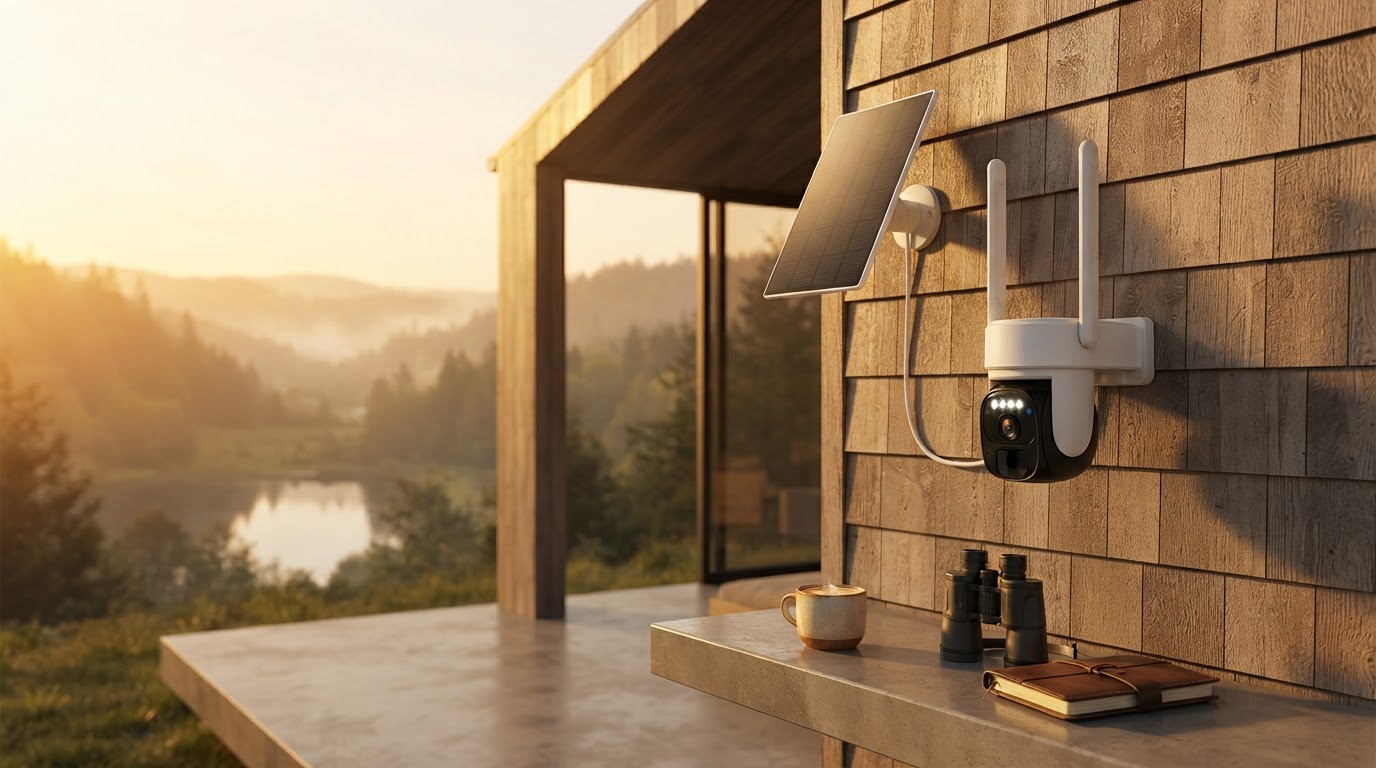
Baseus X1 Pro Price Drop vs Solar Security Camera Value
 Maya ChenContributing Editor
October 10, 2026 — The retail market is currently pushing a $140 price point for the Baseus X1 Pro dual-tracking solar security camera following the conclusion of recent major sales events. While 9to5Toys reports this as a significant post-Prime Day saving, the actual utility of these aggressive discounts remains questionable for users requiring consistent 24/7 uptime. The conventional wisdom says that a price drop from $270 to $140 is an automatic win, but this ignores the hardware limitations inherent in mass-market dual-tracking systems.
According to 9to5Toys, the official Baseus Amazon storefront is offering the X1 Pro for $139.99, a figure that previously hit a floor of $120 during the peak of Prime Day. Here's the part nobody talks about: chasing the lowest price often results in compromising on the solar conversion efficiency required to power PTZ (Pan-Tilt-Zoom) motors during high-activity periods. An Outdoor Solar Security Camera must do more than just exist on a wall; it must maintain a charge while managing wireless WiFi connectivity and color night vision, both of which are significant power draws.
Run the math: if a unit is discounted by nearly 50%, the manufacturer is rarely subsidizing the cost out of goodwill. Often, the trade-off is found in the battery cycle life or the sensitivity of the PIR sensors. When evaluating ptz-camera-placement-strategies, it becomes clear that a cheaper unit with inferior tracking often fails to reset to its home position correctly, leaving blind spots. Furthermore, maintaining-solar-panel-efficiency is difficult when the integrated panels on budget units lack the surface area to recover from three consecutive overcast days.
Expert tip: Before committing to a discounted solar unit, verify the milliampere-hour (mAh) rating of the internal battery. For a camera utilizing two-way-audio-security-benefits and active cloud storage uploads, you should look for a minimum of 15,000mAh to ensure the device doesn't go dark during a week of poor weather. Relying on cloud-storage-vs-local-storage options also requires a stable power overhead that budget-constrained hardware often lacks.
I'll change my mind when these sub-$150 units provide independent laboratory data proving their solar panels can reach a full charge in under six hours of indirect sunlight. Until then, the $140 price tag is less of a deal and more of a reflection of the hardware's shelf life.