
Will an Outdoor Solar Security Camera work in winter?
 Maya ChenContributing Editor
June 9, 2026 — While Outdoor Solar Security Camera systems remain functional in winter, efficiency drops by up to 90% during heavy cloud cover or snow. A high-capacity panel alone doesn't solve winter power issues; photovoltaic cells and lithium-ion batteries react poorly to seasonal tilt and freezing temperatures. Hardware that works in July often struggles by December.
How does cold weather affect the battery life of an Outdoor Solar Security Camera?
Cold weather slows the internal chemical reactions of a camera's battery, reducing its capacity to hold a charge and accept current. According to SOLIOM, low temperatures directly impact runtime and charging efficiency. Crucially, if battery temperatures drop below 32°F (0°C), many charge controllers throttle or disable charging to prevent permanent damage. If a camera consumes 500mAh daily but only receives 200mAh due to thermal throttling, it will eventually shut down regardless of the panel's wattage. There is a practical consequence to the throttling behaviour that catches people out: a camera can be receiving plenty of light and still not be charging, because the limit is the battery's temperature rather than the panel's output. On a bright, hard-frozen morning the panel does its job and the controller refuses the charge until the cell warms. That is protection working as intended, not a fault, and it explains the common pattern of a camera dying in clear winter weather rather than in cloud.
What that changes is where you mount it. A wall that holds warmth — masonry facing the sun, under an eave rather than out on an exposed bracket — keeps the battery above the cutoff for more of the day than a pole in open air does. Where a camera is genuinely remote, it is worth accepting that the panel will overproduce in the middle of the day and sizing for the few hours when charging is actually permitted.
Does an Outdoor Solar Security Camera receive enough light on cloudy winter days?
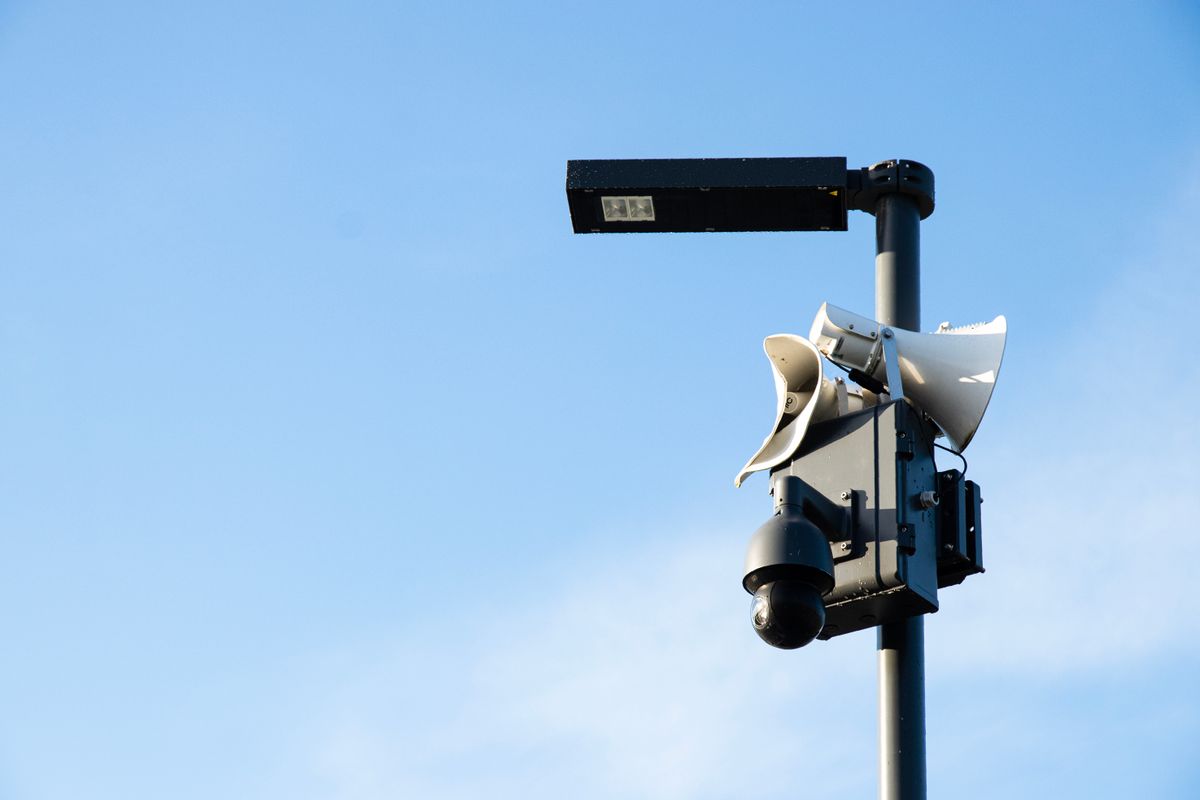
Photo by Lauma Beļska on Pexels
Generally, no. A camera typically requires three to four hours of direct sunlight to maintain a charge. Data from Zetronix indicates that clouds and snow can reduce solar output by 90%, forcing the system to rely on reserve capacity. The sun’s lower winter angle also creates longer shadows from buildings and trees. For those managing a [[solar camera for off grid property](/blog/outdoor-solar-security-camera-off-grid-property)](/blog/outdoor-solar-security-camera-off-grid-property), this lack of light may require clearing snow manually or using low-power firmware modes. Two settings do more for winter uptime than any hardware change. The first is detection sensitivity. Bare branches move constantly in winter, and a camera left on summer settings will trigger, wake, record and upload dozens of times a night on nothing at all — that upload traffic, more than the recording, is what empties a battery. Narrow the detection zone and raise the threshold before December rather than after the first outage.
The second is resolution and clip length. Coming down from the highest bitrate and capping clips shorter costs very little in evidential value and roughly halves the power each event consumes.
Beyond that, the honest answer for a site with real winter is to plan for a top-up rather than hope. One USB charge a month across the darkest weeks is far less trouble than a camera offline for a season — and it is worth checking now whether yours can be charged in place or has to come down first.
Quick answers
Q: Can snow on the solar panel stop the camera from working? A: Yes. Even thin frost blocks photons from reaching cells. Anran-CCTV notes limited daylight and bad weather are primary drivers of charging failure, requiring users to clear the panel.
Q: Are there specific brands recommended for extreme cold? A: Reports from the Facebook Living in Cochrane group suggest Eufy's solar-powered options often maintain better uptime in Canadian winters than generic alternatives.
Q: How does connectivity impact winter battery drain? A: High-bandwidth systems like a 4g lte solar security camera consume more power during signal searches, which can deplete batteries faster during atmospheric interference.
Q: Is winter installation on a shed or outbuilding viable? A: Yes, if the panel is angled steeply to shed snow and catch low light. However, a wireless solar camera for shed installation may still need occasional USB charging.
Learn more about Outdoor Solar Security Camera at https://solarsafetycameras.com.
Sources
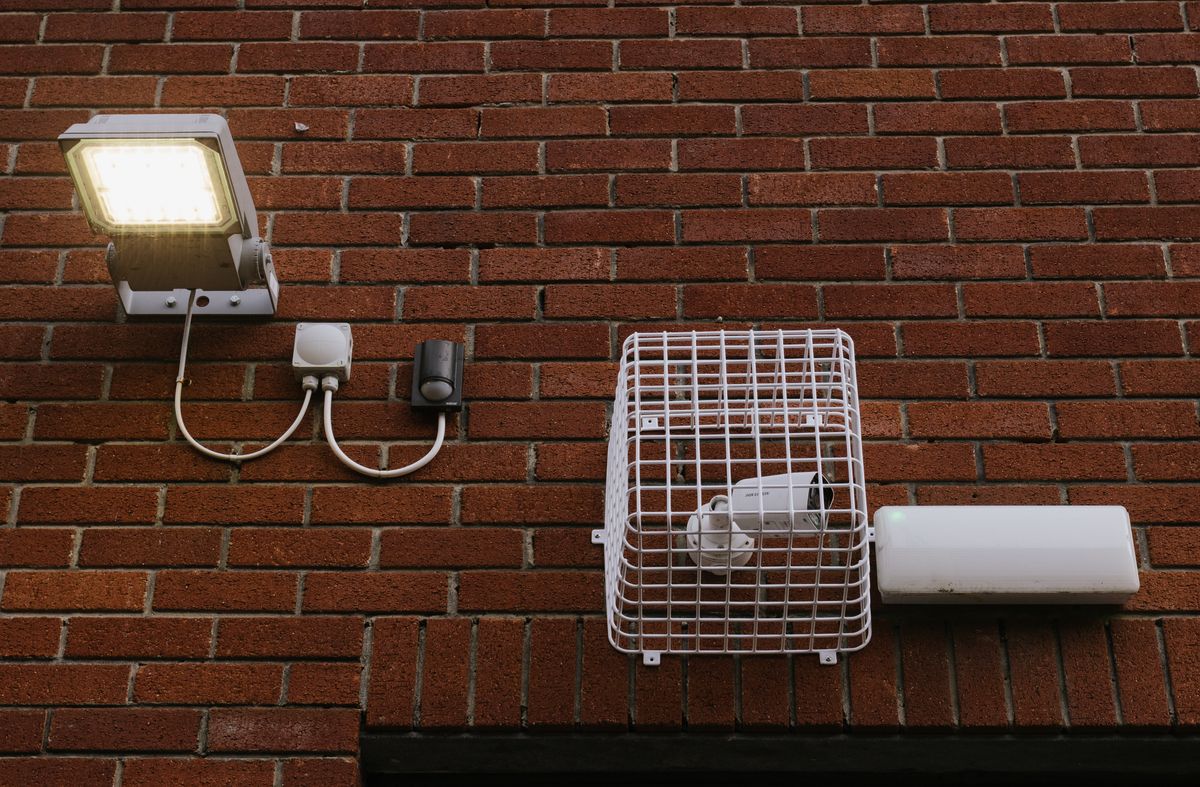
Photo by Ellie Burgin on Pexels
- Solar Security Cameras: 4 Winter Low Light Tips - SOLIOM
- How Much Sunlight Does a Solar Security Camera Need? | Zetronix®
- Best outdoor security cameras for cold weather? - Facebook