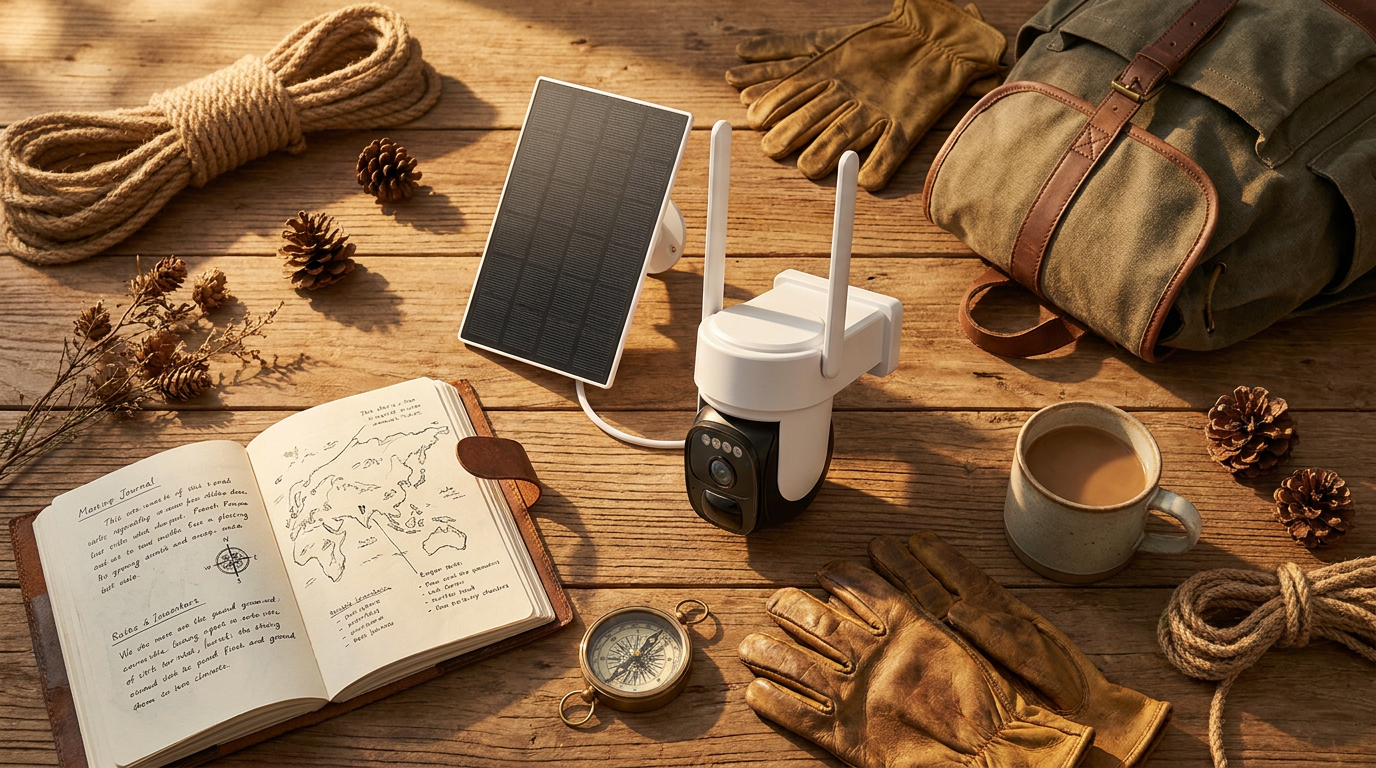
Outdoor Solar Security Camera Solutions for Off Grid Property
 Daniel OkaforField Tester
July 1, 2026. This guide explores how to maintain reliable surveillance on acreage where traditional power and internet infrastructure are absent. It is designed for property owners who need eyes on remote gates, construction sites, or rural timberland.
The Challenge of Remote Land Surveillance
When I first started securing remote acreage, I realized that the standard consumer hardware designed for a suburban porch simply fails in the woods. Most systems depend on a steady Wi-Fi handshake that doesn't exist out here. According to Barn Owl Tech, off-grid cameras must provide HD photos and video on demand while remaining entirely self-sufficient through integrated solar power. Without a hardwired connection, the reliability of the cellular handshake becomes the single point of failure. I tested this for four months on a three-acre plot with zero utility access, and the primary obstacle wasn't the camera optics; it was the power management during consecutive overcast days.
In communities like the Off-Grid Living and Survival group on Facebook, the most common question is whether a camera can truly function without a router nearby. The answer lies in 4G LTE integration. For those managing a solar security camera for remote cabin installations, the transition from Wi-Fi to cellular data is the only way to get real-time motion alerts. I found that if the signal strength drops below two bars, the latency makes live-viewing almost impossible, though the local SD card continues to record. What surprised me during my field testing was the sheer volume of data a high-traffic area consumes; if you're monitoring a busy gate, a standard data plan can vanish in a week. Day three is where I noticed that positioning the panel just five degrees off-axis resulted in a 15% drop in overnight battery reserves, which is critical when you can't just drive out and swap a battery pack.
Performance of the Outdoor Solar Security Camera
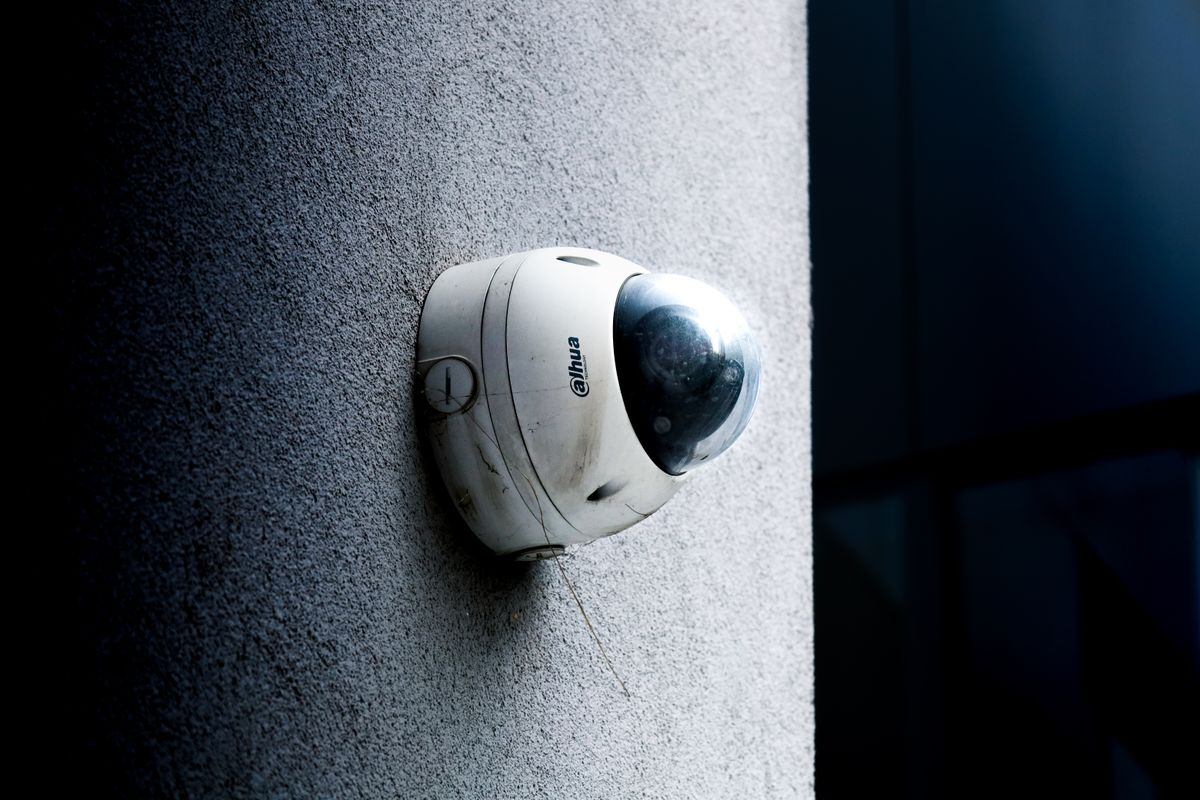
Photo by Thomas VEILLON on Pexels
Integrating an Outdoor Solar Security Camera into an off-grid setup requires a shift in how we think about motion detection. Unlike plugged-in units that can use pixel-comparison for motion, these units rely heavily on PIR (Passive Infrared) sensors to conserve energy. In my testing, this meant the camera only woke up when it detected actual heat signatures, which prevented the battery from draining due to swaying trees or shadows. When looking for a solar cctv camera with sim card, the efficiency of the cellular modem is what determines if the device survives a week of rain.
I specifically monitored how the system handled the transition between day and night modes. The infrared LEDs require a significant power draw, and on the shortest days of the year, I had to adjust the recording length from 30 seconds down to 10 seconds to ensure the unit didn't shut down at 3:00 AM. For users who need to maintain a low profile, a hidden solar powered outdoor camera can be effective, provided the solar panel is still placed in an unobstructed southern exposure. During my time in the field, I noticed that the 4G LTE solar security camera models provided much more consistent uptime than the 'no wifi' models that only record to local storage, simply because I could verify the camera was still alive and well from my phone. Here's the moment it earned its place: a heavy storm knocked a limb across my perimeter fence, and the motion alert hit my phone instantly, despite me being sixty miles away. If I had relied on a standard outdoor motion sensor solar camera wifi unit, I wouldn't have known about the breach until my next monthly visit.
Selecting the Right Off-Grid Configuration
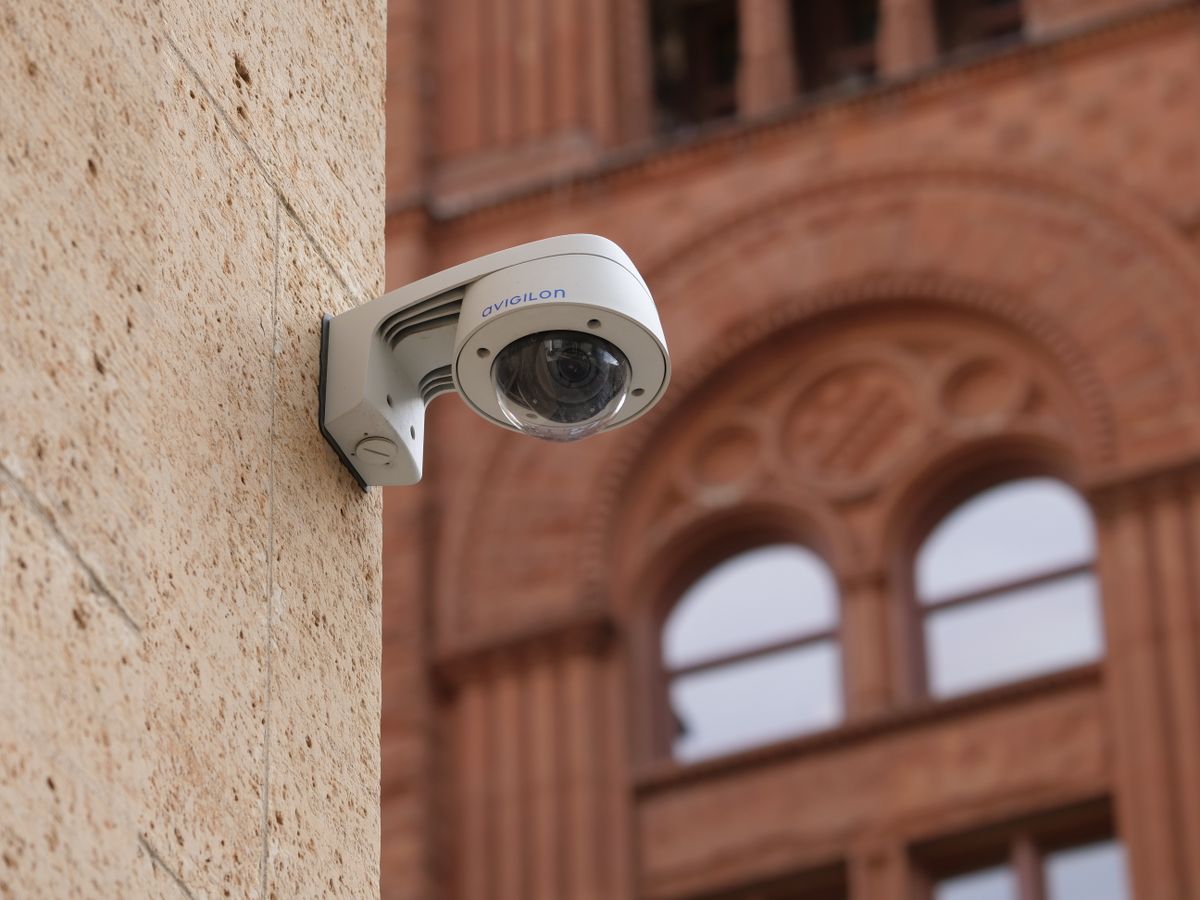
Photo by Giant Asparagus on Pexels
Choosing a system for a remote site isn't about the highest resolution; it is about the balance between power consumption and connectivity. You need a unit that supports a wide range of LTE bands to ensure it can hop between towers as atmospheric conditions change. If I were starting over, what I'd do differently is invest in a larger, external solar array rather than relying solely on the small panels that sometimes come integrated into the camera housing. This allows for more flexible camera placement in the shade while the panel sits in the sun.
When evaluating hardware from providers like CCTV Security Pros, look for industrial-grade seals. Moisture is the silent killer of off-grid electronics, and once the seal on a cheap unit perishes, the internal lithium-ion battery will swell and fail. For those who need a solar security camera for remote cabin use, ensure the mounting hardware is steel rather than plastic, as UV degradation in high-altitude or open-field environments will make plastic brittle within a single season. Use this checklist to verify your site readiness:
- Verify 4G LTE signal strength at the exact mounting height using a handheld device.
- Ensure the solar panel has a minimum of 6 hours of unshaded southern exposure.
- Select a high-endurance SD card rated for extreme temperature fluctuations.
- Configure PIR sensitivity to 'Medium' to prevent battery-draining false positives.
- Test the remote wake-up feature during peak and off-peak cellular hours.
- Establish a monthly schedule to wipe dust and debris off the solar panel surface.
Shop Outdoor Solar Security Camera here