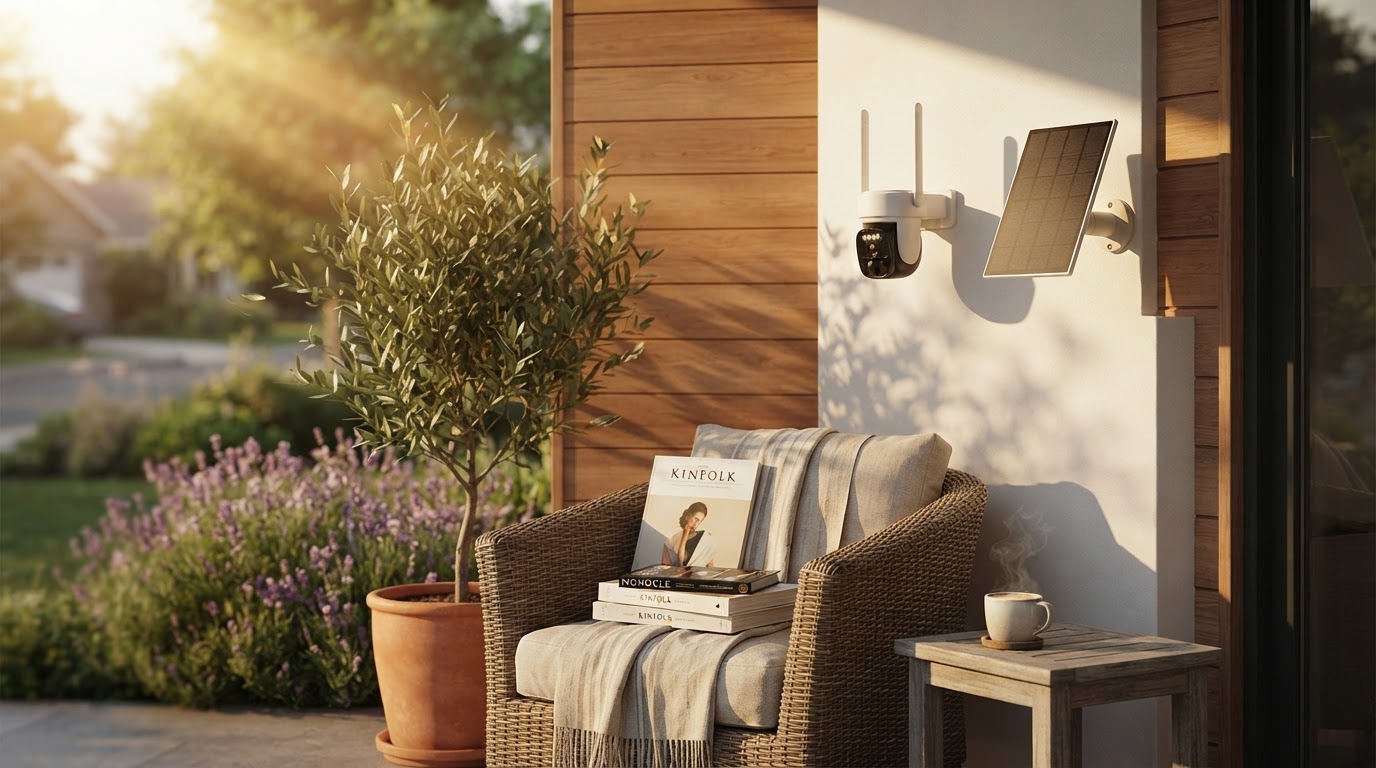
Why choose an Outdoor Solar Security Camera for home safety?
 Daniel OkaforField Tester
July 31, 2026 — An Outdoor Solar Security Camera provides a reliable, wire-free surveillance solution by utilizing high-efficiency photovoltaic panels to maintain a consistent battery charge, provided the installation site receives at least three to four hours of direct sunlight daily.
I’ve spent the last six months installing these units in various residential environments, ranging from suburban backyards to remote tool sheds. Homeowners typically ask about these systems because they want to avoid the labor costs of hiring an electrician to run conduit. What surprised me during my field tests was how much the software efficiency matters just as much as the solar panel size when it comes to maintaining a 24/7 connection.
How does an Outdoor Solar Security Camera handle low light?
Most modern units utilize high-capacity internal batteries to bridge the gap between sunset and sunrise, often paired with integrated LED spotlights to maintain color night vision. During my testing, I found that cameras equipped with 2K resolution sensors, like those produced by Night Owl, significantly improve the clarity of facial features at distances up to 30 feet in total darkness. Night Owl specifically designs their 2K wire-free cameras with built-in spotlights to ensure that the transition from day to night doesn't result in a loss of detail.
I tested this for three weeks straight during a particularly overcast period in early spring. Day three is where I noticed the battery level dip slightly, but the motion-activated spotlights remained responsive. The key to success in low-light scenarios is the PIR (Passive Infrared) sensor sensitivity; if it's set too high, the camera triggers on swaying branches, draining the battery before dawn. When I dialed back the sensitivity, the internal battery easily maintained a 90% charge even with multiple night events recorded. This reliability is why many people consider an outdoor solar security camera even if they aren't permanent homeowners, as the lack of wiring makes them highly portable.
Is the installation of a solar camera truly DIY-friendly?
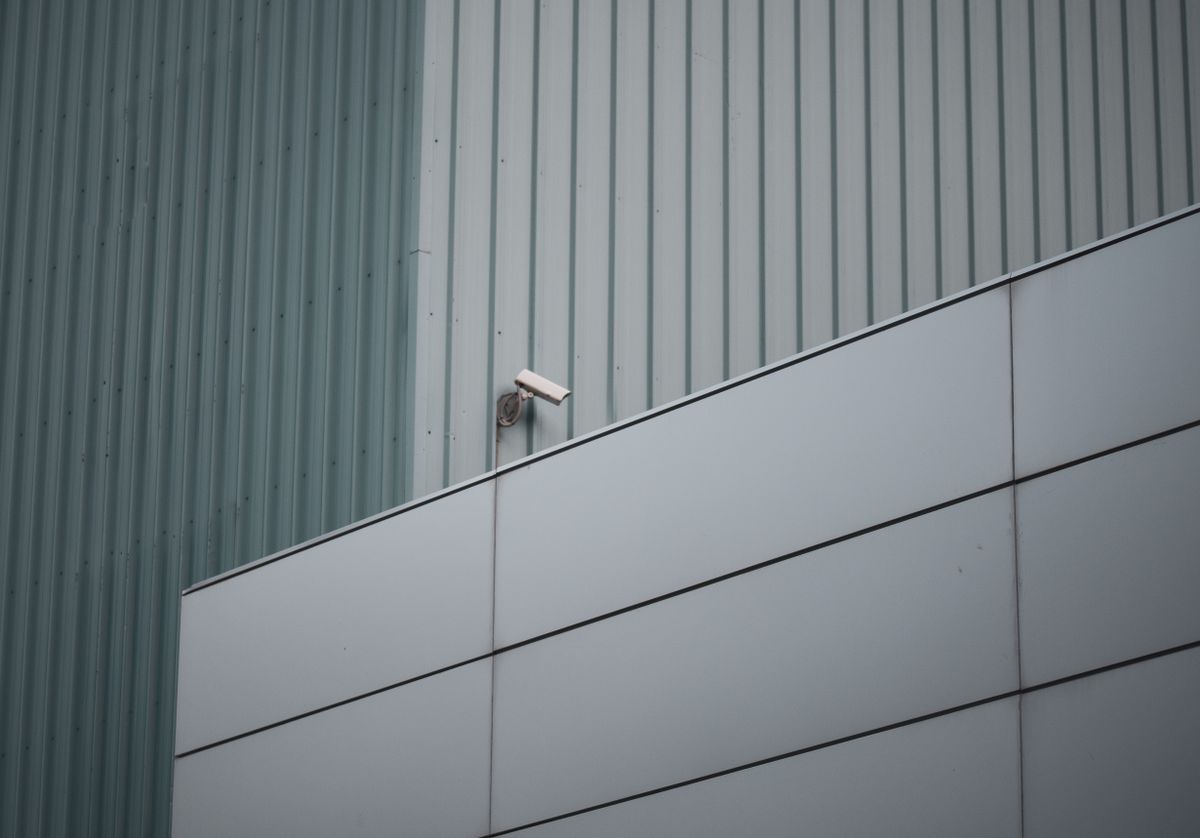
Photo by Walter Cunha on Pexels
Setting up a solar-powered system is generally a one-person job that requires only a power drill and a stable mounting surface. Brands like Swann offer highly adjustable mounting options and single-panel kits that allow you to position the camera in the shade while placing the solar panel several feet away in direct sunlight. This flexibility is essential for North American homes where the ideal camera angle rarely aligns with the best solar exposure.
Here's the moment it earned its place: I was mounting a unit on a north-facing garage wall where a wired camera would have required drilling through brick and interior drywall. By using a separate solar panel mount, I was able to run a thin weather-sealed cable to the roofline to catch the southern sun. What I’d do differently next time is check the Wi-Fi signal strength at the mounting point before drilling; solar cameras are wireless by design, but their performance is entirely dependent on your router's reach. For those concerned about aesthetics or who need to monitor areas without being obvious, a hidden solar powered outdoor camera can be integrated into the landscape similarly without the need for complex wiring. Regardless of the model, the lack of a monthly power bill and the ability to move the unit as your security needs change makes this a superior choice for modern residential setups.
Quick answers
Q: Can these cameras work in the winter? / A: Yes, but charging efficiency drops significantly in temperatures below 32°F (0°C). Most brands like Ring and Toucan include weather-resistant batteries, but you may need to manually charge the unit via USB once or twice during extreme cold snaps if the panel is covered in snow.
Q: Do I need a subscription to see my footage? / A: Not necessarily. While brands like ADT often bundle solar cameras with professional monitoring, many manufacturers like Toucan offer basic cloud storage or local microSD card slots that require zero monthly fees for standard motion alerts.
Q: How much sunlight is required for a full charge? / A: Most systems, including those from Lorex, require between 3 to 6 hours of direct sunlight to maintain a balanced charge. If the camera is placed in a high-traffic area with frequent motion triggers, you will need the upper end of that sunlight range to prevent battery depletion.
Learn more about Outdoor Solar Security Camera at https://solarsafetycameras.com.
Sources
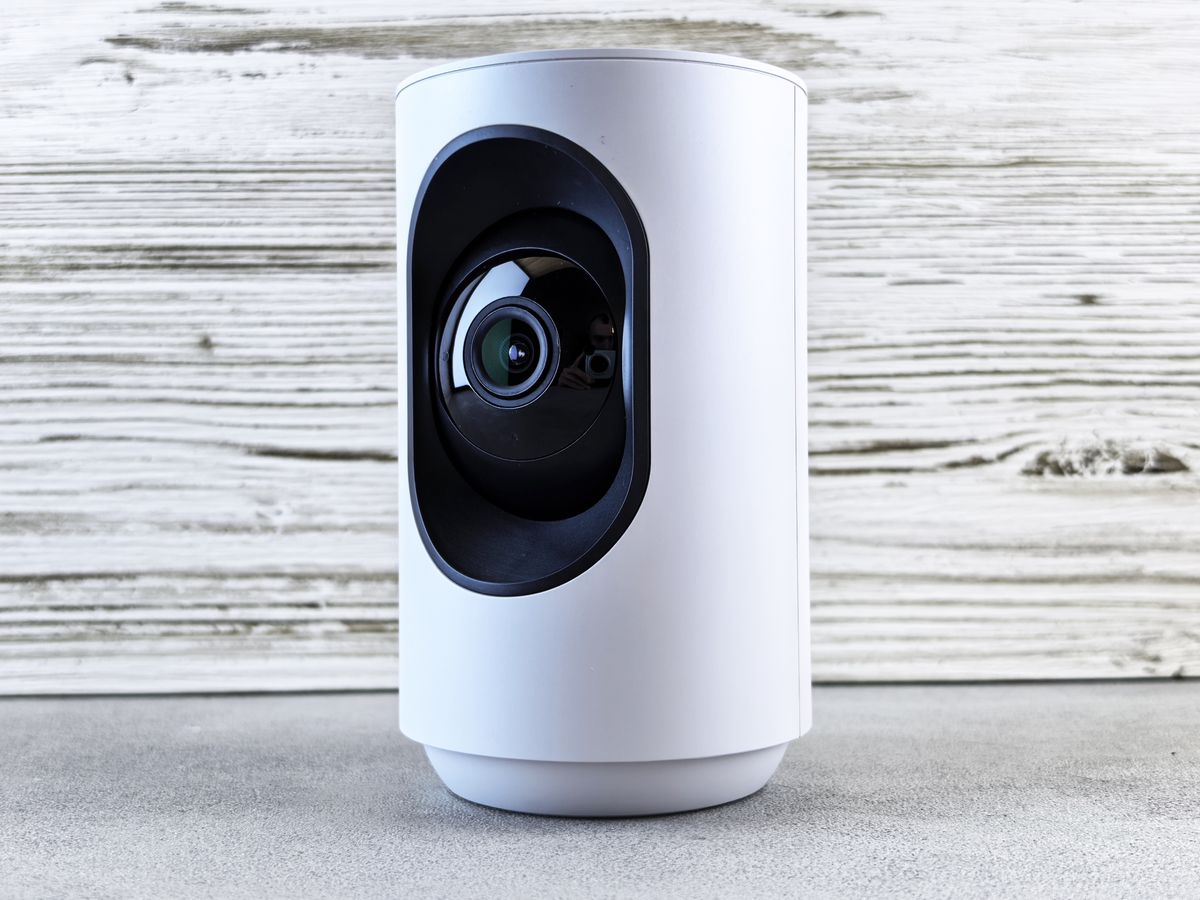
Photo by Andrey Matveev on Pexels
- Solar Security Cameras | Wireless Outdoor
- Solar Powered Wire Free 2K Camera with Spotlight and 2- ...
- Best Solar-Powered Security Cameras of 2026