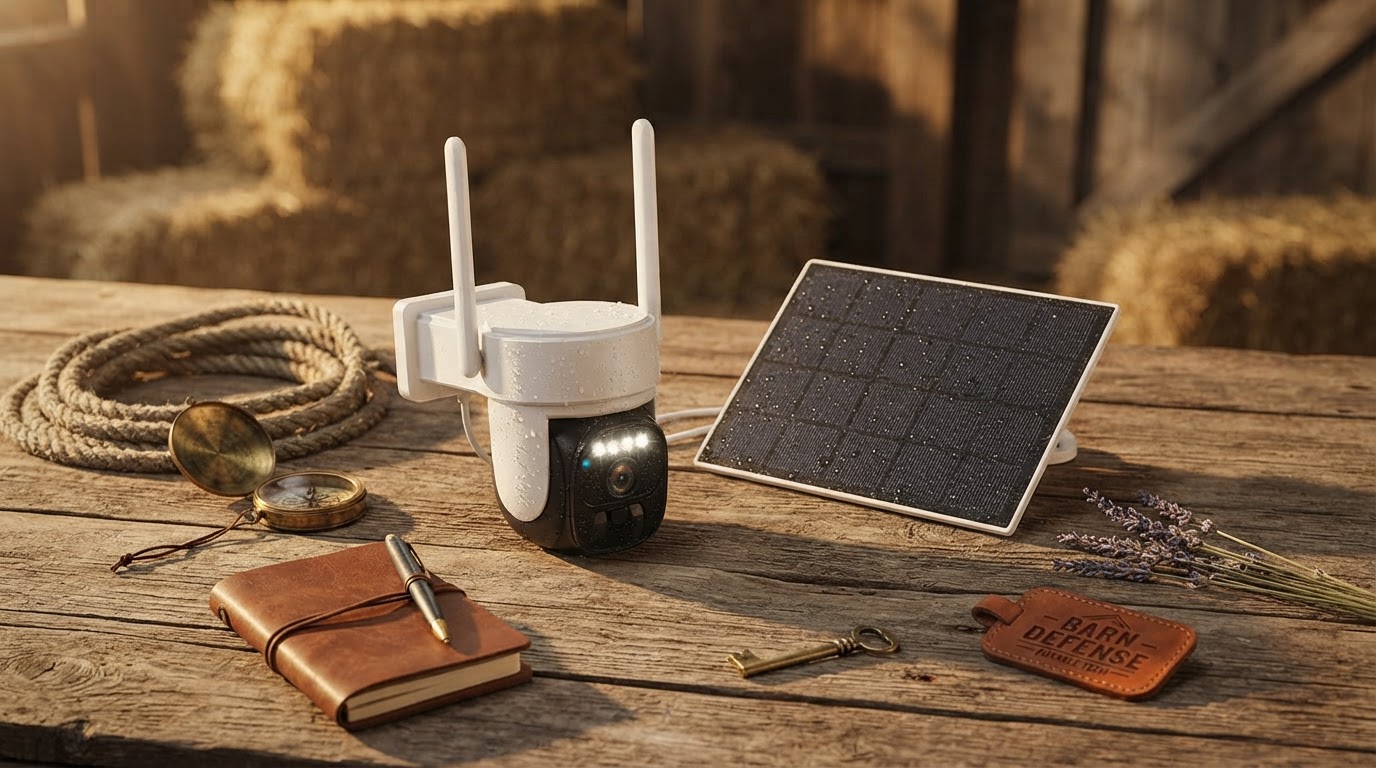
How to install an Outdoor Solar Security Camera for a barn?
 Sam VasquezBuying Guide Lead
October 20, 2026 — Installing an Outdoor Solar Security Camera in a barn requires a weather-resistant unit (IP65+) and a cellular or long-range bridge connection, as standard Wi-Fi rarely penetrates metal siding or reaches remote outbuildings.
Property owners frequently ask this because most barns lack hardwired electricity and sit outside the range of a home router. Securing livestock and expensive equipment requires a system that can survive dust, moisture, and temperature swings without a constant power source. I have found that the biggest hurdle isn't the mounting; it's the signal and the battery drainage during the shorter days of winter.
Which Outdoor Solar Security Camera works best without Wi-Fi?
Between these two, I'd go with a cellular-enabled 4G LTE camera rather than trying to daisy-chain Wi-Fi extenders across a field. A cellular Outdoor Solar Security Camera operates independently of your home network, using a SIM card to transmit data directly to your phone. This is essential for barns located hundreds of feet from the main house where signal degradation makes Wi-Fi unreliable.
Barn Owl Tech notes that their cellular cameras are specifically designed to run on solar power so users can check on livestock and gates regardless of how cold it gets. If you are monitoring a calving stall or high-value machinery, this independence is worth the monthly data fee. However, if your barn is within 50 feet of a strong mesh node, a Wi-Fi model like those from Reolink is a viable, subscription-free alternative. Reolink suggests that any outdoor barn camera should carry at least an IP65 or IP66 weather-resistance rating to endure winter conditions. If you're on a budget, a Wi-Fi model saves you the monthly cellular cost, but you must ensure the signal doesn't drop when the barn doors are closed.
How do you maintain solar power in a shaded or dusty barn?
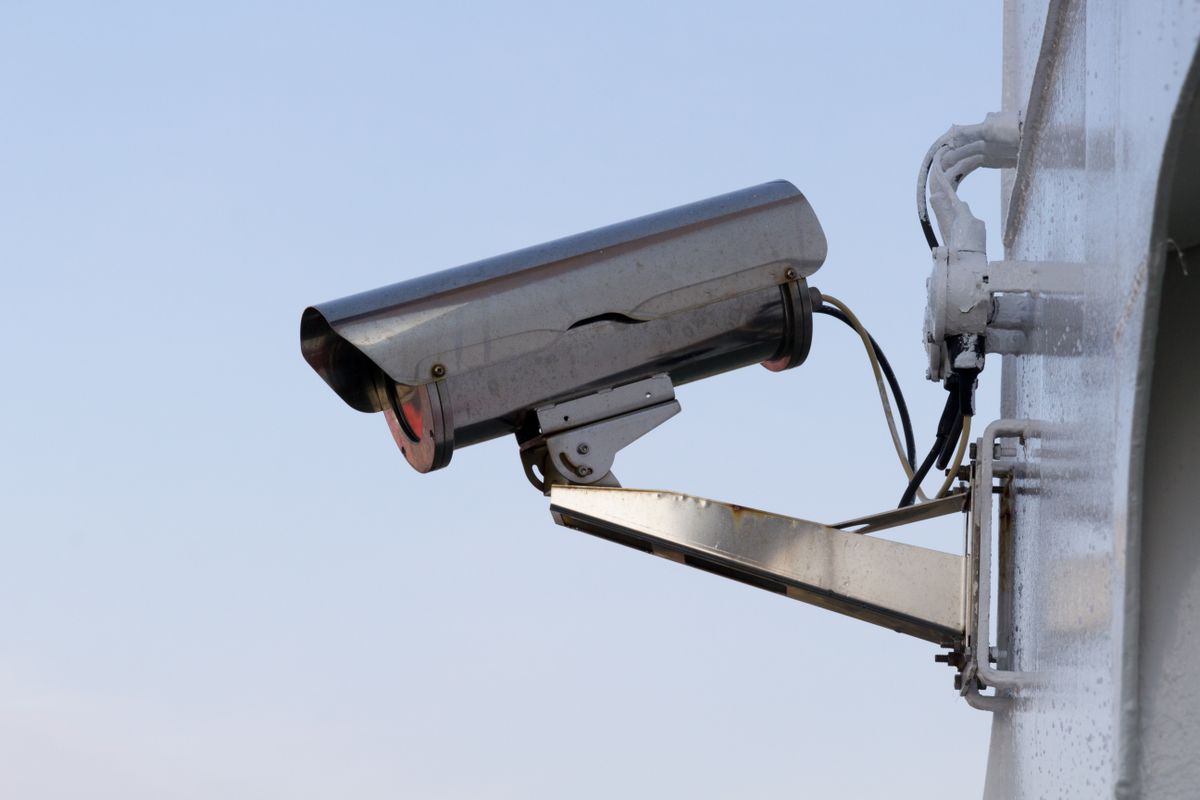
To keep an Outdoor Solar Security Camera running year-round, you must mount the solar panel on the sunniest side of the roof—usually south-facing—using an extension cable to keep the camera itself under the eaves or inside the barn. Dust from hay and livestock can quickly coat a panel, reducing charging efficiency by up to 30%. I recommend a quick wipe-down every few months to prevent the battery from dipping during a week of overcast weather.
Specific hardware like the systems from BarnWatcher come equipped with Starlight infrared, which allows for clear visibility inside dark stalls even when the camera is positioned to avoid direct spray or debris. I have seen many people make the mistake of mounting the panel under an overhang; if it doesn't get at least 4 hours of direct sun, the motion triggers will eventually drain the battery. For those in northern climates, checking solar security camera cold weather performance is non-negotiable, as lithium batteries struggle once temperatures drop below freezing. If you're also managing the entrance to the property, a solar powered driveway alarm with camera can act as an early warning system before someone even reaches the barn door.
Quick answers
Q: Can I use these cameras if my barn has a metal roof? A: Yes, but you must mount the antenna or the entire cellular Outdoor Solar Security Camera outside the metal structure, as the siding acts as a Faraday cage that blocks signals. Barn Owl Tech systems are often used in these environments because the solar panel and camera can be positioned for maximum exposure while the internal components stay protected.
Q: What is the minimum weather rating needed for a stable environment? A: You should look for a rating of at least IP65, which protects against dust ingress and low-pressure water jets. This is critical because barn environments are significantly dustier than standard residential eaves, which can clog non-sealed electronics.
Q: Will the camera work inside a dark barn at night? A: Yes, provided it has integrated IR LEDs or Starlight Vision. Systems like those from BarnWatcher utilize infrared to provide clear black-and-white or low-light color images even in total darkness, which is necessary for monitoring livestock overnight.
Skip this if you have a reliable power outlet inside the barn; a hardwired PoE (Power over Ethernet) camera will always be more reliable than solar for 24/7 continuous recording. For most remote setups, however, the weatherproof solar camera for farm security is the most practical path forward.
Learn more about Outdoor Solar Security Camera at https://solarsafetycameras.com.
Sources
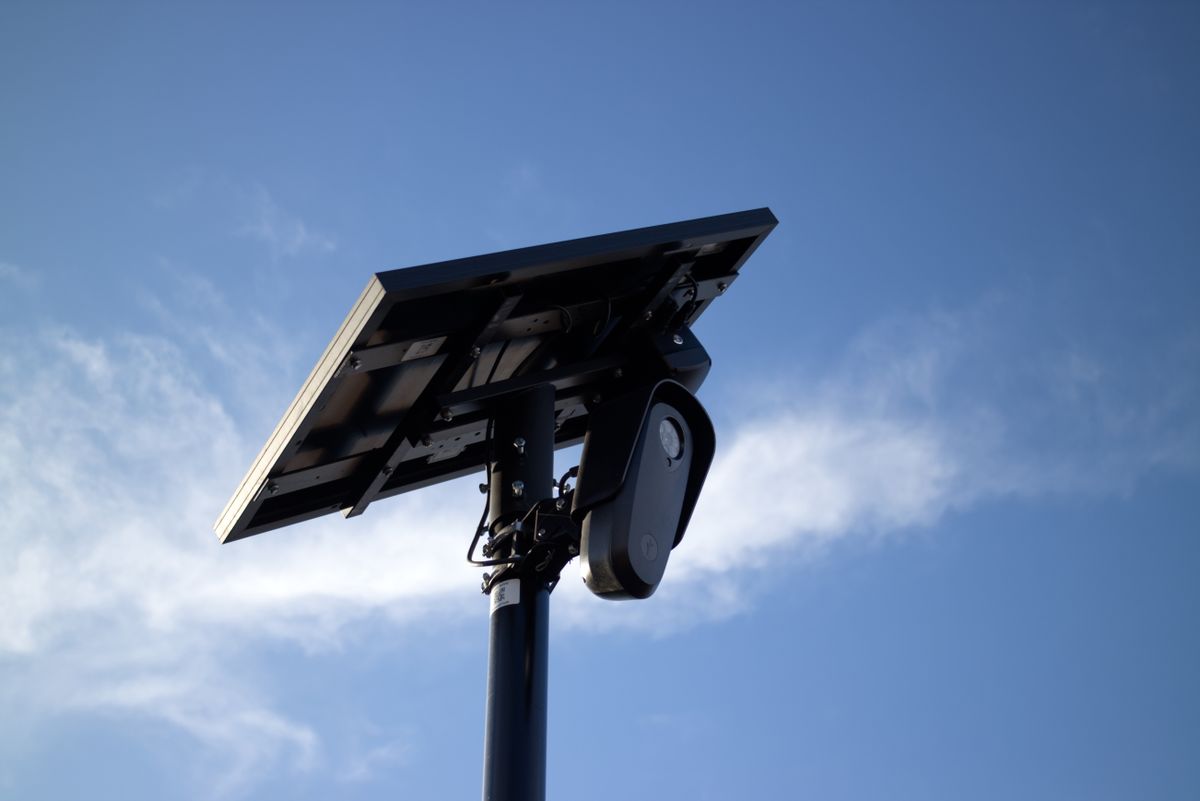
Photo by Will Freeman on Pexels
- Wireless Barn Cameras
- What are reliable barn cameras without WiFi or electricity?
- Barn Cameras For Your Horse, Stable & Livestock