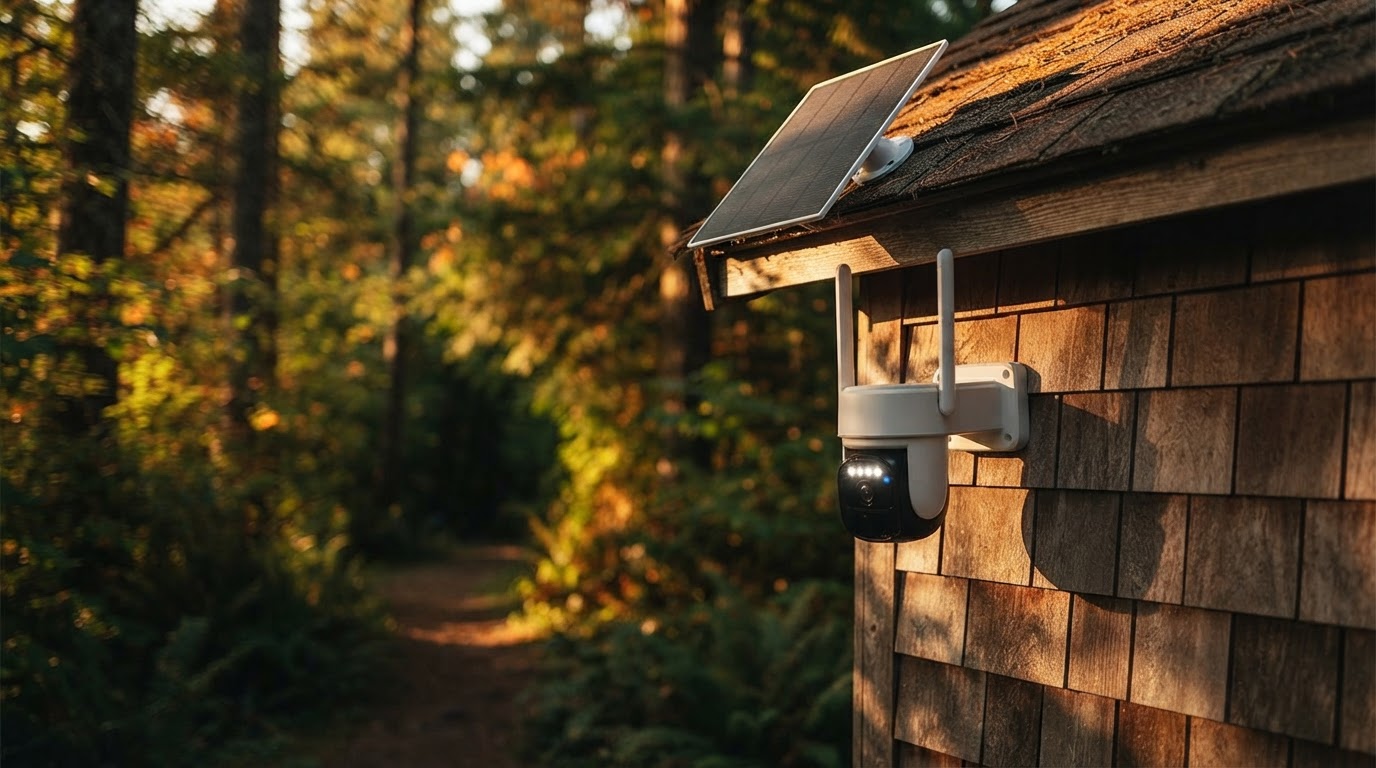
Can an Outdoor Solar Security Camera work without Wifi?
 Maya ChenContributing Editor
August 3, 2026 — An Outdoor Solar Security Camera can operate entirely without a Wi-Fi connection by utilizing 4G LTE cellular networks or recording directly to local microSD storage.
The conventional wisdom says that a smart security system requires a stable home router to function, but this ignores the high demand for monitoring remote assets like construction sites or rural acreage. Property owners frequently seek these solutions to bypass the range limitations of standard 802.11 wireless protocols.
How does an Outdoor Solar Security Camera transmit data without a router?
It transmits data via an integrated cellular modem that connects to 4G LTE or 5G mobile towers, provided a compatible SIM card is installed. While many consumers assume these devices are tethered to a local network, the hardware is functionally identical to a smartphone in its ability to upload motion-triggered events to the cloud. Here’s the part nobody talks about: the data consumption for a high-definition stream can exceed 2GB per month even with moderate motion triggers. This makes the "no-wifi" claim technically true but introduces a recurring operational cost that Wi-Fi users avoid. The effectiveness of this setup is entirely dependent on signal strength at the installation point; a camera with a -100 dBm signal will suffer from high latency regardless of its solar capacity.
Is local storage a viable alternative for cameras without internet?
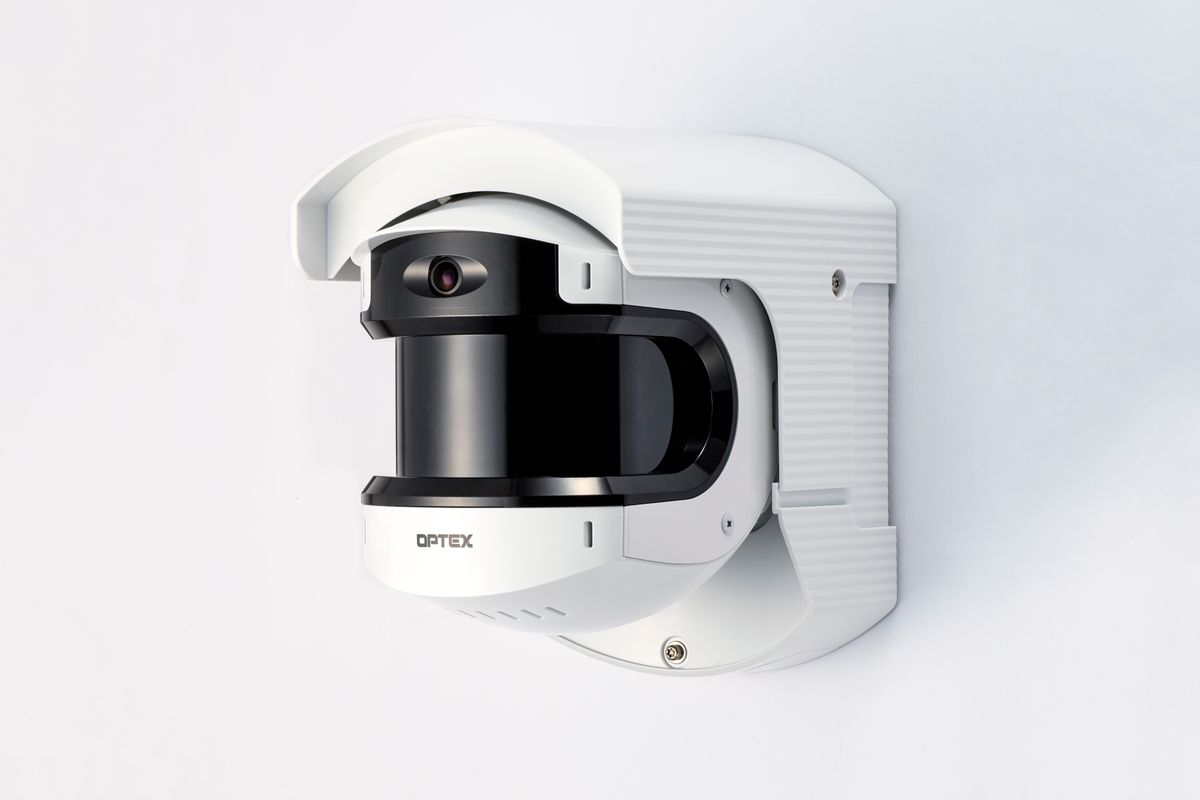
Photo by Optex Pinnacle India Pvt. Ltd. on Pexels
A local microSD card allows an Outdoor Solar Security Camera to function as a standalone DVR, though it sacrifices real-time alerts and remote viewing capabilities. Run the math: a 128GB card can store approximately 48 to 60 hours of 1080p footage before looping, depending on the bitrate. This configuration is often used in a weatherproof [solar camera for barn](/blog/weatherproof-solar-camera-for-barn) applications where the primary goal is forensic evidence rather than active prevention. However, without a network connection, the user must physically retrieve the camera or the SD card to review footage, which negates the primary benefit of a remote installation. I'll change my mind when edge-AI reaches a point where these offline cameras can filter 99% of false positives locally, extending the utility of limited storage.
Quick answers
Photo by Giant Asparagus on Pexels
Q: Do these cameras need a special SIM card? A: Yes, most models require a Nano SIM card with a data-only plan specifically compatible with the 4G LTE bands used by the camera hardware.
Q: Can I view the live feed on my phone if there is no Wi-Fi? A: You can view the feed if the camera is deploying outdoor solar security camera systems without wifi using a cellular data plan, which bridges the gap between the camera and your mobile device.
Q: What happens to the footage if the cellular signal drops? A: Most professional-grade units will continue recording to an internal 32GB or 64GB memory buffer and attempt to upload the event once the connection is restored.
Q: How much power does the cellular modem draw compared to Wi-Fi? A: A 4G LTE modem typically consumes 20% to 30% more power during transmission than a standard Wi-Fi module, necessitating a larger solar panel array for consistent uptime.
For more information on hardware requirements, see our guide on the outdoor solar security camera no wifi.
Learn more about Outdoor Solar Security Camera at https://solarsafetycameras.com.