Solar Security Camera Mounting Options: Vinyl Siding, Brick, and Gutters Compared
Vinyl siding, brick, and gutters can all carry a solar security camera if the substrate holds PTZ torque, the 3.5W panel still sees sun, and the lens sits near 8-10 feet. Vinyl needs a stud or a siding-safe clip so screws do not crush a hollow bay. Brick is the stiff, slower path. Gutters are convenient for sun and weak for a 355-degree motorized head. Choose the wall before the bracket.
Choose the wall before the bracket
A solar PTZ camera is a moving weight on a small plate. Pan and tilt through 355 degrees twist the mount every time the head leaves home. A bracket that looks neat on a still product photo can chatter on vinyl, loosen in mortar, or rock a gutter spike until the live view swims.
Hardware catalogs list J-hooks, soffit plates, and pole clamps. This page is the substrate test: what the house is made of, and whether that material can stay still while the camera moves.
IP65 weatherproofing covers rain on the camera body. It does not seal a cracked vinyl bay or a wet mortar joint.
Vinyl siding: find structure or use a siding-safe clip
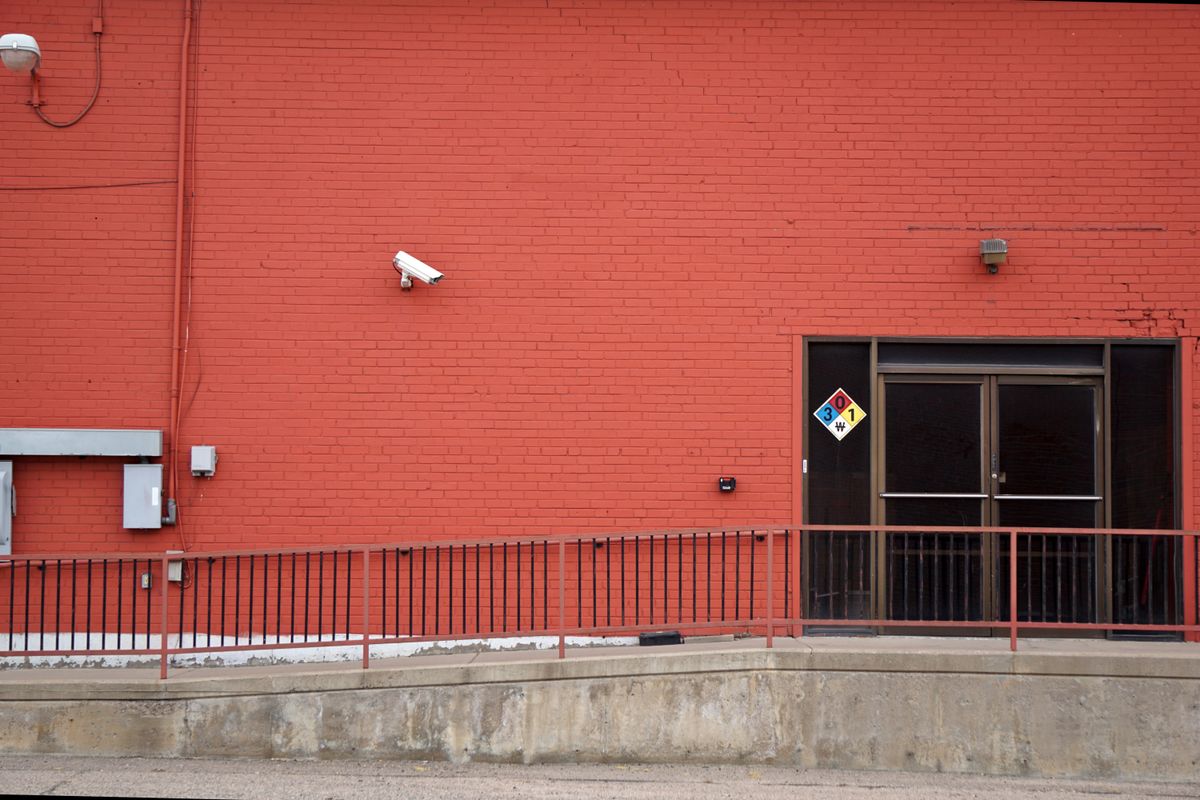
Photo by Joshua Brown on Pexels
Vinyl is a skin. Screwing a PTZ base into the center of a hollow course dimples the board and works loose after a season of pans. Find a stud, a solid corner post, or a purpose-made siding mount that hangs from a course without punching four holes in a bay.
Watch the panel. Vinyl walls under a deep eave are often the darkest part of the house. A camera that looks perfect over a side door can starve a 3.5W panel. If the siding faces the scene but not the sun, the mount is only half done.
Do not overtighten. Vinyl cracks in cold weather. Snug the plate, then check it after the first week of PTZ use.
Brick and masonry: slow, stiff, and hard to steal
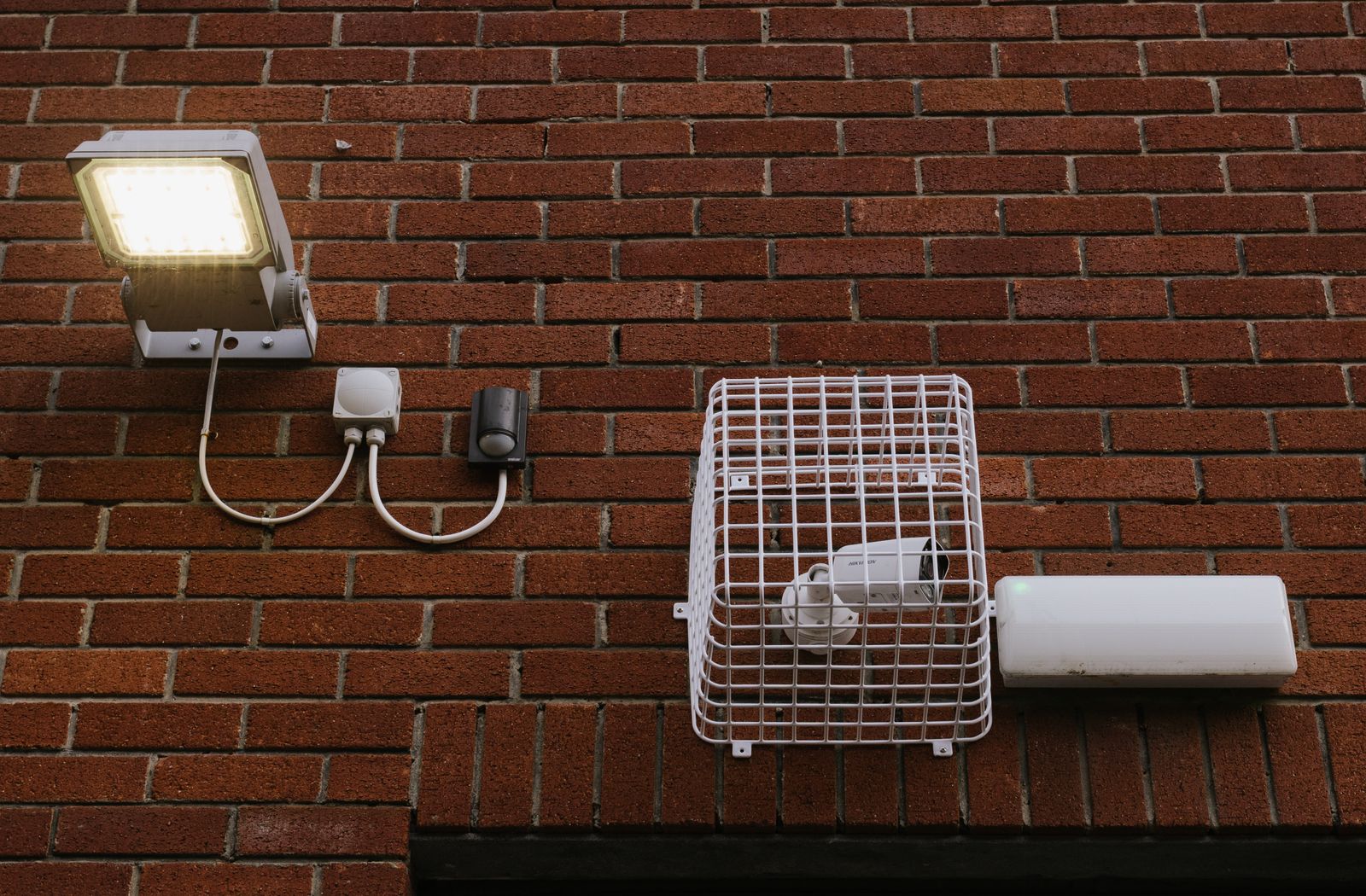
Brick and block take masonry bits, anchors, and patience. The payoff is a plate that does not flex when the head pans. For a 355-degree PTZ unit that is the right mechanical answer on a facade that already sees sun.
Hit mortar only when the joint is sound. Crumbly lime mortar will not hold a live camera. A brick face that is already spalling is a repair job first. Height still follows the 8-10 foot band, even on a two-story wall that tempts a high, useless angle.
Masonry is slower than vinyl. Plan the holes once. If drilling brick is outside the toolkit, hire the hole, then finish the app setup at home.
Gutters: easy sun, poor torque
Gutter mounts put the 3.5W panel into open sky and keep the camera off the wall. That is the appeal. The cost is flex. A motorized head that pans 355 degrees will rock a thin gutter, especially when the hangers are already tired. The live view then shows a bouncing porch instead of a face.
Use a gutter clip only if the run is solid, the camera is not a heavy PTZ tour machine, and someone will still reach it at 8-10 feet for cleaning. A sagging gutter is a water problem that becomes a camera problem.
If the gutter is the only sunny line on a shaded wall, put the panel on the gutter and the camera on brick or a post.
Vinyl, brick, and gutter mounts at a glance
| Substrate | Holds PTZ torque | Sun access | Main risk | | --- | --- | --- | --- | | Vinyl siding | Only on a stud or siding clip | Often poor under eaves | Cracked bays and loose screws | | Brick or block | Yes, with sound anchors | Depends on the facade | Bad mortar, extra holes | | Gutter | Weak on thin runs | Usually the best sky | Flex, sag, and hard cleaning | | Soffit / fascia | Mixed | Often shaded | Panel starvation | | Independent post | Yes if the post is stiff | You choose the sky | New hole in the yard |
Substrate mounting checklist
- [ ] Pick vinyl, brick, gutter, or a post before ordering a bracket.
- [ ] Confirm the plate will sit near 8-10 feet, not on a reachable porch rail.
- [ ] On vinyl, hit a stud or use a siding-safe clip.
- [ ] On brick, use masonry anchors in sound material, not crumbling joints.
- [ ] On gutters, reject any run that already sags or flexes by hand.
- [ ] Confirm the 3.5W panel still sees sun after the bracket is tight.
Frequently asked questions
Can a PTZ solar camera hang from vinyl siding?
Yes if the screws reach structure or the clip is made for siding. A hollow vinyl bay will dimple and loosen under 355-degree pans.
Is brick always the best outdoor camera wall?
Brick is the stiffest common house wall. It is not best if that facade has no sun for the 3.5W panel or if extra holes are forbidden.
Why do gutter cameras look shaky in the app?
PTZ motors twist a thin gutter. The camera is weatherproof to IP65; the gutter is not a tripod. Move the head to a wall or a post.
What height still applies on each substrate?
Stay near 8-10 feet on vinyl, brick, and gutters so 1080p faces stay readable and grab-and-go theft is harder.
Does IP65 mean the wall is protected too?
No. IP65 rates the camera against rain and dust. Seal vinyl penetrations and keep water out of masonry holes separately.
Related reading
Hardware, height, and installation method sit next to the vinyl-versus-brick choice.
- gutter, wall, and pole mount types for solar cameras
- how high to mount an outdoor camera for faces and coverage
- how to install an outdoor solar security camera once the wall is chosen
- how to keep a solar camera from being stolen or knocked down
- when a masonry hole is a DIY job and when to hire it
What to do next
Press the intended vinyl course, brick joint, or gutter hang by hand. If it flexes, that is not a PTZ mount. Move to a stud, sound masonry, or a stiff post at 8-10 feet, then confirm the 3.5W panel still sees sun. Tighten the plate, set home position, and pan once in the app before leaving the ladder.
Cover photo by Ellie Burgin on Pexels.