Choosing the Right Outdoor Security Camera Mounts: Gutters, Walls, and Poles
The mount matters more than most buyers expect, because for a solar camera it decides three things at once: how steady the footage is, how much sun the panel gets, and whether you can move the camera later without patching holes. Wall mounts are the most rigid and the best default. Gutter mounts buy height and sun without drilling. Pole mounts are the only realistic option when there is no wall where you need coverage.
This guide compares the four mount types worth considering, explains where each one fails, and gives a short checklist for matching a mount to the spot you actually have.
Which mount type is right for a solar security camera?
| Mount type | Best for | Sun access | Rigidity | Reversible | Main weakness | |---|---|---|---|---|---| | Wall bracket | Doors, driveways, side gates | Depends on wall orientation | Highest | Leaves anchor holes | A shaded wall starves the panel | | Gutter hook | Adding height and clearing soffit shade | Very good roof-line exposure | Moderate | Fully reversible | Wind sway and gutter condition | | Pole or post mount | Driveway entrances, fences, open yards | Excellent, any direction | Good if the pole is solid | Fully reversible | Needs a pole; more vibration | | Strap or tree mount | Rural and cabin coverage | Usually poor under canopy | Lowest | Fully reversible | Trees move, grow, and shade |
The short version: if a suitable wall exists in sun, use it. If the wall you need is shaded, or you rent and cannot drill, a gutter or pole mount usually solves it.
Wall mounts: the default for a reason
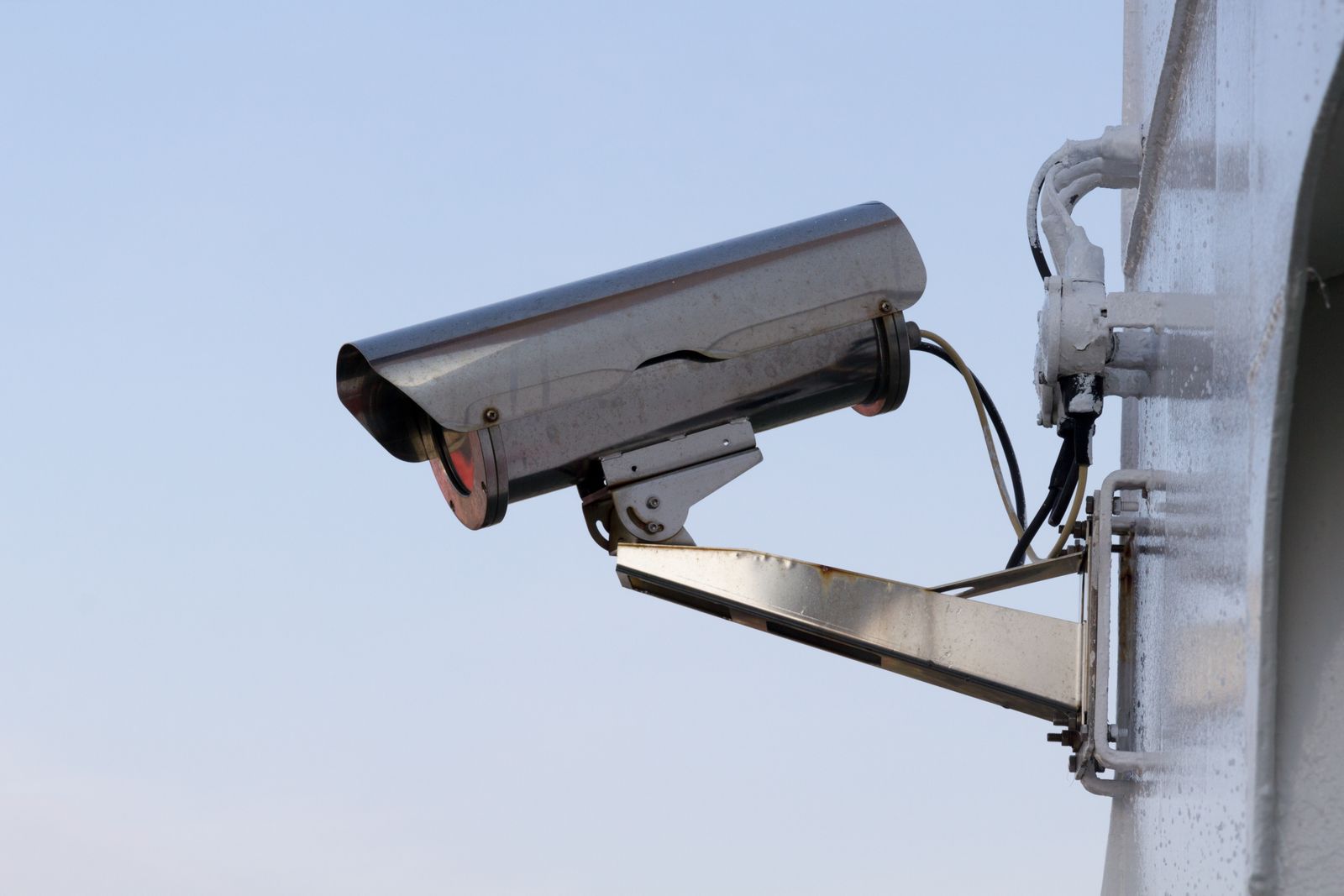
A wall bracket bolted into masonry, framing, or solid trim gives the stillest image of any mounting method. That stillness matters more on a pan-tilt-zoom camera than on a fixed one, because once you zoom in, any wobble in the mount is magnified along with the image. A camera that looks perfectly steady at its widest view can turn unwatchable at full zoom if the bracket has any flex.
Wall mounts also make aiming predictable. You choose the height, you choose the tilt, and the camera stays where you put it. That predictability is one of the reasons a wireless unit on a wall bracket ends up easier to live with than a cabled install, a point covered in this comparison of solar and hardwired outdoor cameras.
Where wall mounts fail is sunlight. A north-facing wall in the northern hemisphere gets very little direct sun, and a wall tucked under a deep soffit or a second-story overhang can be in shade most of the day even when it faces south. If the only good camera angle is on a shaded wall, the answer is not to give up the angle. It is to separate the two jobs: mount the camera where the view is, and get the panel out into the sun, either by extending it or by choosing a mount that raises the whole unit above the shade line.
Gutter mounts: height and sun without drilling
A gutter hook clamps or hangs over the front lip of the gutter and holds the camera above the roofline edge. Two real advantages follow.
- No holes. Nothing is drilled into siding, brick, or stucco, which is why gutter mounts are so popular with renters and anyone under a homeowners association. Removal takes a minute and leaves nothing behind.
- Clean sun exposure. At the gutter line the panel sits above soffits, porch roofs, shrubs, and most of what casts shade lower down a wall.
Practical fixes: choose the shortest hook arm that clears the roof edge, tighten it against a section of gutter that has a hanger nearby, and check it after the first serious storm. If a removable, non-invasive install is the overall goal, the approach in this guide to solar camera setups that suit renters pairs naturally with a gutter mount.
Pole and post mounts: coverage where no wall exists
Pole mounting is the answer for driveway entrances, gate posts, fence corners, parking areas, and the middle of a yard. Because a pole can be planted anywhere, it removes the biggest constraint of wall mounting, which is that the wall has to already be where you need the camera.
Options in rough order of effort:
Pole mounts win on sun access, because you are not limited to whichever direction a wall happens to face. They lose on vibration and on distance from the house. A pole 80 feet down a driveway may sit at the edge of WiFi range, so check the signal at the exact spot before setting anything in concrete. If the location is genuinely out of range, that is a network problem to solve first, and the trade-offs are covered in this explanation of whether a solar camera can work without WiFi coverage.
Does the mount affect pan, tilt, and zoom performance?
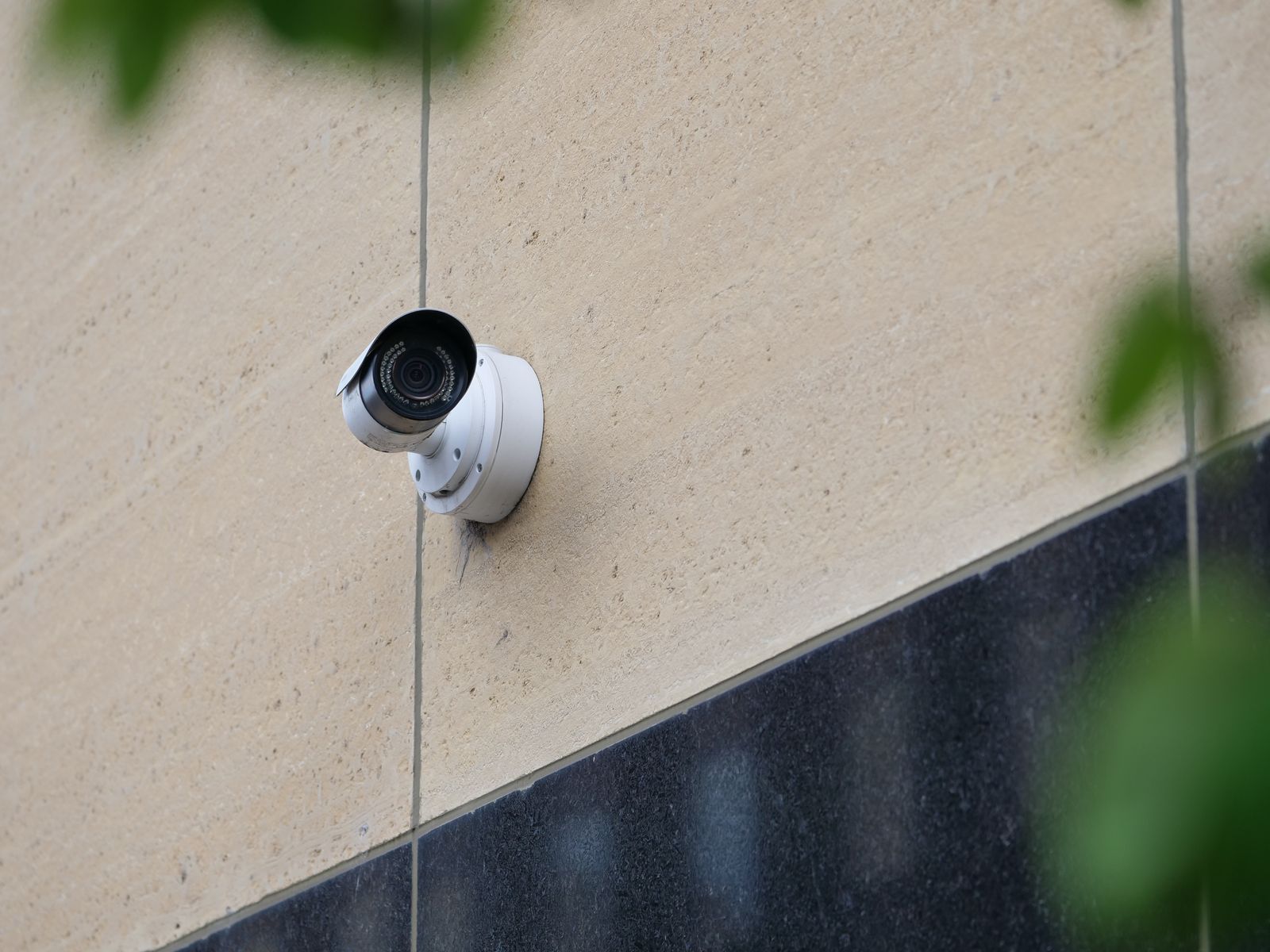
Photo by Giant Asparagus on Pexels
Yes, in two ways that are easy to miss when comparing mounts on price alone.
- Vibration is amplified by zoom. Pan-tilt-zoom cameras trade a wide default view for the ability to pull in tight on whatever motion detection flags. At full zoom, a mount that flexes even slightly turns a clean frame into a blurred one. Rigid mounts protect the part of the camera you paid extra for.
- The mount decides how much of the pan range is usable. A camera set flat against a wall can physically rotate a long way, but half of that arc is pointed at siding. A pole or a corner bracket recovers that wasted arc. If the point of buying pan and tilt is broad situational coverage rather than one fixed angle, mounting it where it can actually see in every direction is what makes the feature pay off. That is the same reasoning behind the layouts described in how PTZ coverage is used across larger sites.
Hardware and materials checklist
Whatever mount you choose, the parts that fail first are the cheap ones.
- Stainless or coated fasteners only. Plain steel screws will rust-stain siding within a season and seize into masonry anchors.
- Anchors matched to the substrate. Sleeve anchors into mortar joints for brick, framing screws into studs behind vinyl or stucco, exterior screws into solid wood.
- A sealed penetration with a drip loop. Any hole through cladding needs a bead of exterior sealant along the top edge only, so water sheds rather than being trapped behind the bracket.
- A separately adjustable panel position. The ability to angle the panel independently of the lens is the single most useful capability when the best view and the best sun point in different directions.
- Enough cable slack for a full pan sweep. Leave the lead long enough that rotating the camera does not pull on the connector.
- A bracket rated above the camera's weight. Undersized brackets sag slowly, which shows up as a view that drifts downward over months.
FAQ
Can a gutter mount hold a pan-tilt camera without shaking? It can, provided the gutter is well hung and you choose a short hook arm. Movement grows with arm length and with the weight hanging off the end, so a compact arm on a well-supported section of gutter is far steadier than a long arm on a sagging one. Check it once after a windy day and again after heavy rain.
Is a pole mount worse for WiFi than a wall mount? Often, because poles get used for spots farther from the house. The pole itself is not the issue; distance and obstructions are. Test the signal by holding a phone at the exact height and position you plan to mount at, before you dig or bolt anything down.
Do I need a separate mount for the solar panel? Not always, but it helps. When the camera's best view faces a shaded direction, giving the panel its own position lets you keep the good angle and still charge properly. If the panel and camera must share a mount, choose a spot that gets several hours of unobstructed midday sun and accept a slightly less ideal view.
Which mount is easiest to remove when moving out? Gutter hooks first, then band clamps on an existing post. Both come off in minutes and leave no holes. Wall brackets leave anchor holes that need patching, which is worth knowing before drilling into a rental's brick or stucco.
What to do next
Walk each spot you want covered and answer two questions at every one: is there a rigid surface here, and does this position get real midday sun. A yes to both means a wall bracket. A yes to sun but no suitable wall means a pole. A no to sun means either a gutter mount to clear the shade line or a separate panel position. Settle that for every camera location before ordering hardware, because returning brackets is far more annoying than spending twenty minutes walking the property.
Cover photo by Matthew Jesús on Pexels.