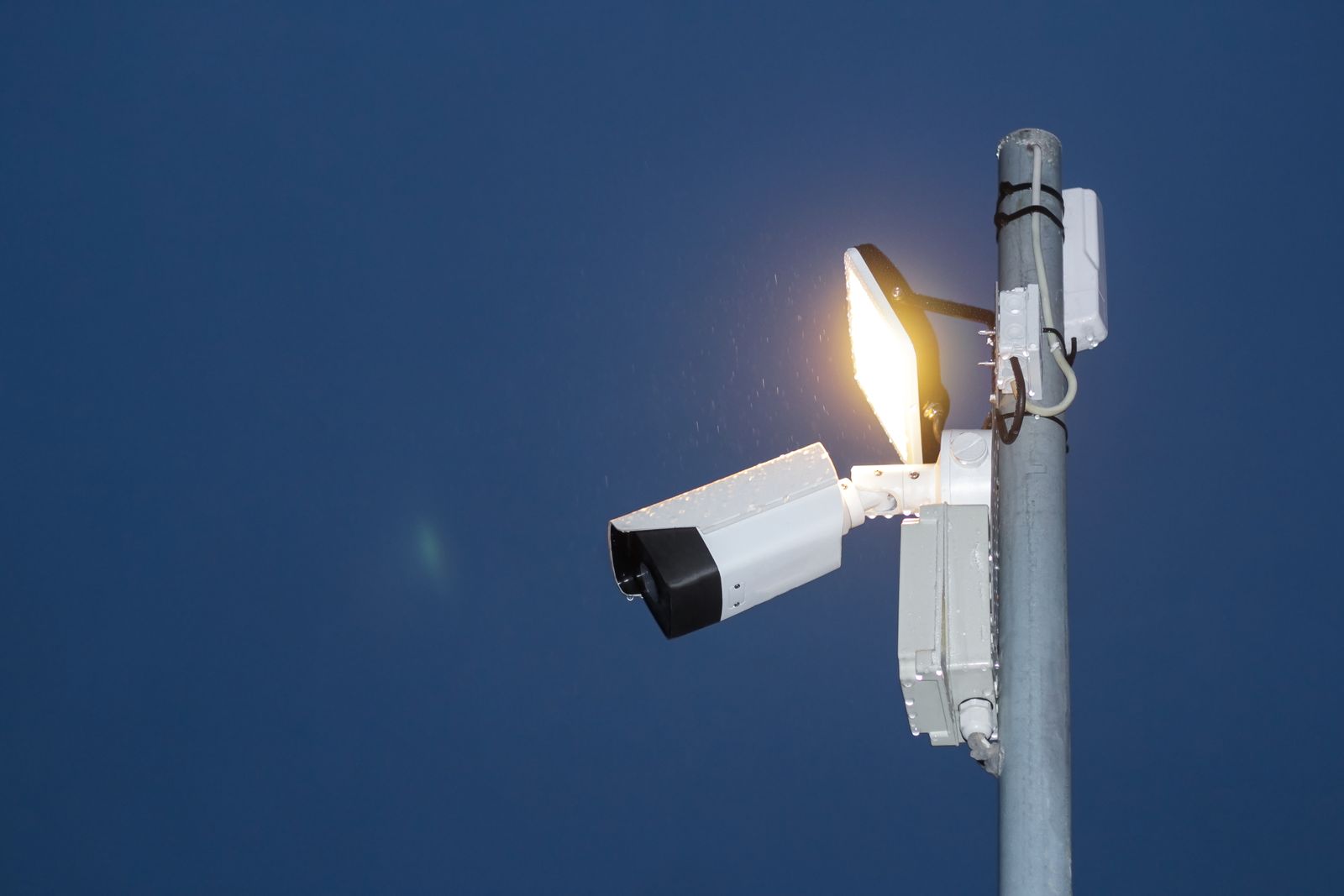
Solar Camera Placement and Angle FAQ: Direct Sunlight, Night Vision, and PTZ Coverage
Solar camera placement angles are three separate aims: the 3.5W panel into 3-5 hours of direct sun, the 1080p lens slightly down into a 33-foot color night vision cone, and PTZ home on the main approach so a 355-degree pan can still reach the next path. If those three aims fight, split the panel from the camera rather than splitting the difference into a useless middle tilt.
Direct sunlight versus the scene the lens must see
The panel wants the sun. The lens wants the gate. A single housing can do both only when a south or west wall already looks at the path. On a north eave, a built-in panel at the 'right' camera angle still starves the 5200 mAh pack.
Direct sun means the 3.5W glass sees the disk of the sun, not a bright porch that is all bounce. 3-5 hours is the daily bar. After clouds, plan a 4-8 hour recharge window. An 8-10 hour first charge still comes before any overnight verdict.
If the scene and the sun disagree, keep the lens on the scene and give the panel its own tilt. PTZ then handles leftover coverage.
Night vision distance and downward tilt
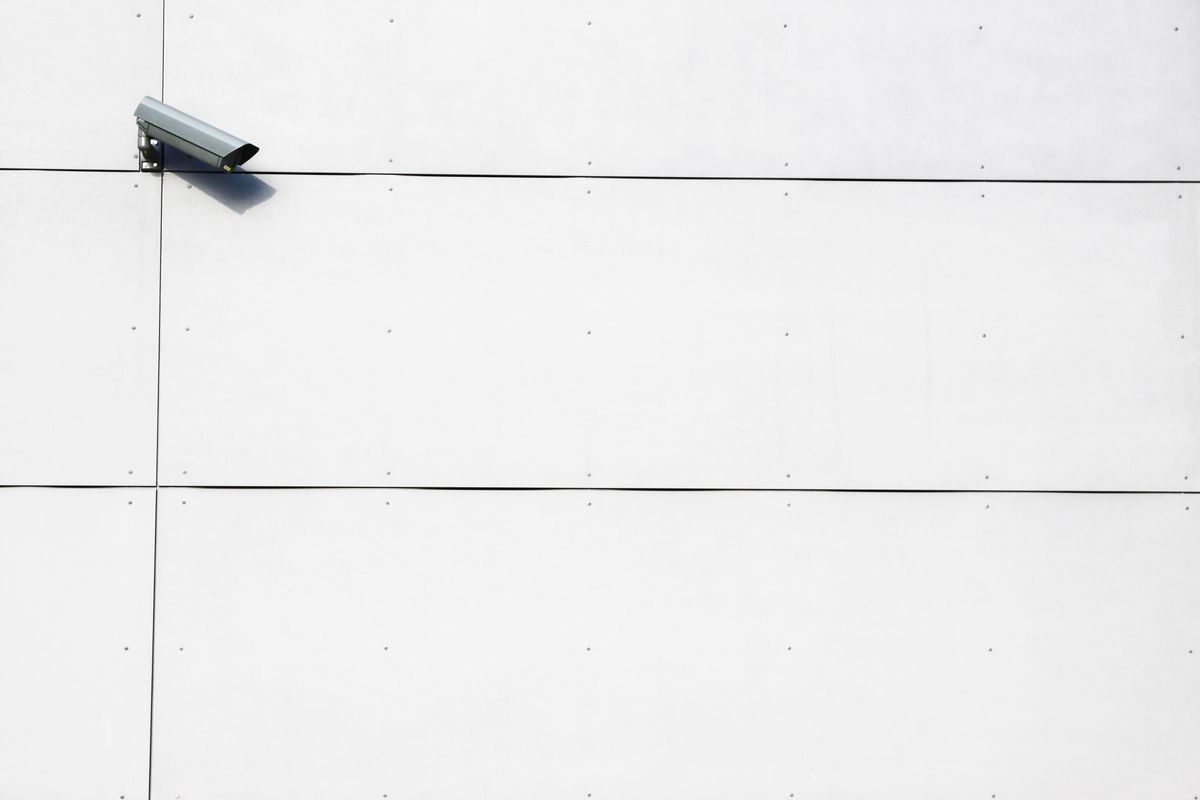
Color night vision is listed to about 33 feet. Mount at 8-10 feet and tilt down so that distance lands on faces, not on the far lawn. A horizon aim wastes the cone on sky and treetops.
Walk to 33 feet at dusk with live view open. If a person is only a torso, drop the tilt. If they vanish, the camera is too high or too far; add a unit rather than cranking digital zoom on 1080p.
Two-way audio follows the same tilt. A speaker aimed at the eaves does not reach a visitor on the mat. Test talk after the night angle is set, not before.
PTZ coverage is an angle budget, not a tour
A 355-degree pan is almost a full circle minus the housing stop. That budget is for two or three real paths, not a 24-hour cruise. Park home on the busiest pinch. Save presets. Return home after an alert so the next event is not filmed from a leftover angle.
Auto-tracking, when used, should end at home. A head that never rests drains 5200 mAh and looks busy without covering the door.
Limit travel at the property line. The extra degrees are not an invitation to film a neighbor bedroom. Angle is also a privacy setting.
Three angles on one solar camera
| Angle | Aim it at | Failure if ignored | | --- | --- | --- | | Panel | 3-5 hours of direct sun on 3.5W glass | Dead pack before dawn | | Lens tilt | Path inside a 33-foot night cone | Hats and scalps instead of faces | | PTZ home | The busiest pinch at 8-10 feet | Alerts that start on empty yard | | PTZ presets | Gate and side path | Motors hunting during the event | | Pan limits | Property line | Neighbor windows in 1080p |
Solar camera angle checklist
- [ ] Confirm 3-5 hours of direct sun on the 3.5W panel.
- [ ] Mount 8-10 feet and tilt the lens down onto the path.
- [ ] Walk 33 feet at dusk and check color night vision.
- [ ] Set PTZ home on the main approach; save one or two presets.
- [ ] Limit pan so 355 degrees stops at the lot line.
- [ ] Finish the 8-10 hour first charge after the angles are locked.
Frequently asked questions
Should the solar panel face the same way as the camera lens?
Only when the path and the sun already agree. Otherwise aim the 3.5W panel at the sun and the lens at the gate.
How far can color night vision see from a typical mount?
About 33 feet in front of the lens. Tilt down from 8-10 feet so that distance is the walkway, not empty lawn.
Does a 355-degree PTZ camera need more than one mount?
Not if two approaches share one sunny corner. Simultaneous paths still need a second lens.
Why does a 'correct' camera tilt kill the battery?
The lens tilt put the built-in panel under an eave. Split the panel or move the housing into 3-5 hours of direct sun.
Can zoom replace a closer camera?
Digital zoom on 1080p cannot recover a face outside the 33-foot cone. Place another unit on that pinch.
What angle should the panel use in winter?
Steeper, toward the lower sun, without moving the lens off the door. An adjustable panel is how that seasonal change happens.
Related reading
Panel efficiency, PTZ setup, and night-vision behavior sit next to these angle questions.
- how to position solar camera panels for daily efficiency
- PTZ solar security camera FAQ on angles and app controls
- how color night vision works on outdoor wireless cameras
- home position, presets, and auto-tracking on a moving camera
What to do next
Lock three angles in order: panel into 3-5 hours of sun, lens down into the 33-foot night cone from 8-10 feet, then PTZ home on the main path with pan limited to the lot line. If the first two fight, split the 3.5W panel from the camera. Charge 8-10 hours, then walk the path at dusk and confirm the Tuya Smart app still shows a useful face.
Cover photo by Henrikas Mackevicius on Pexels.