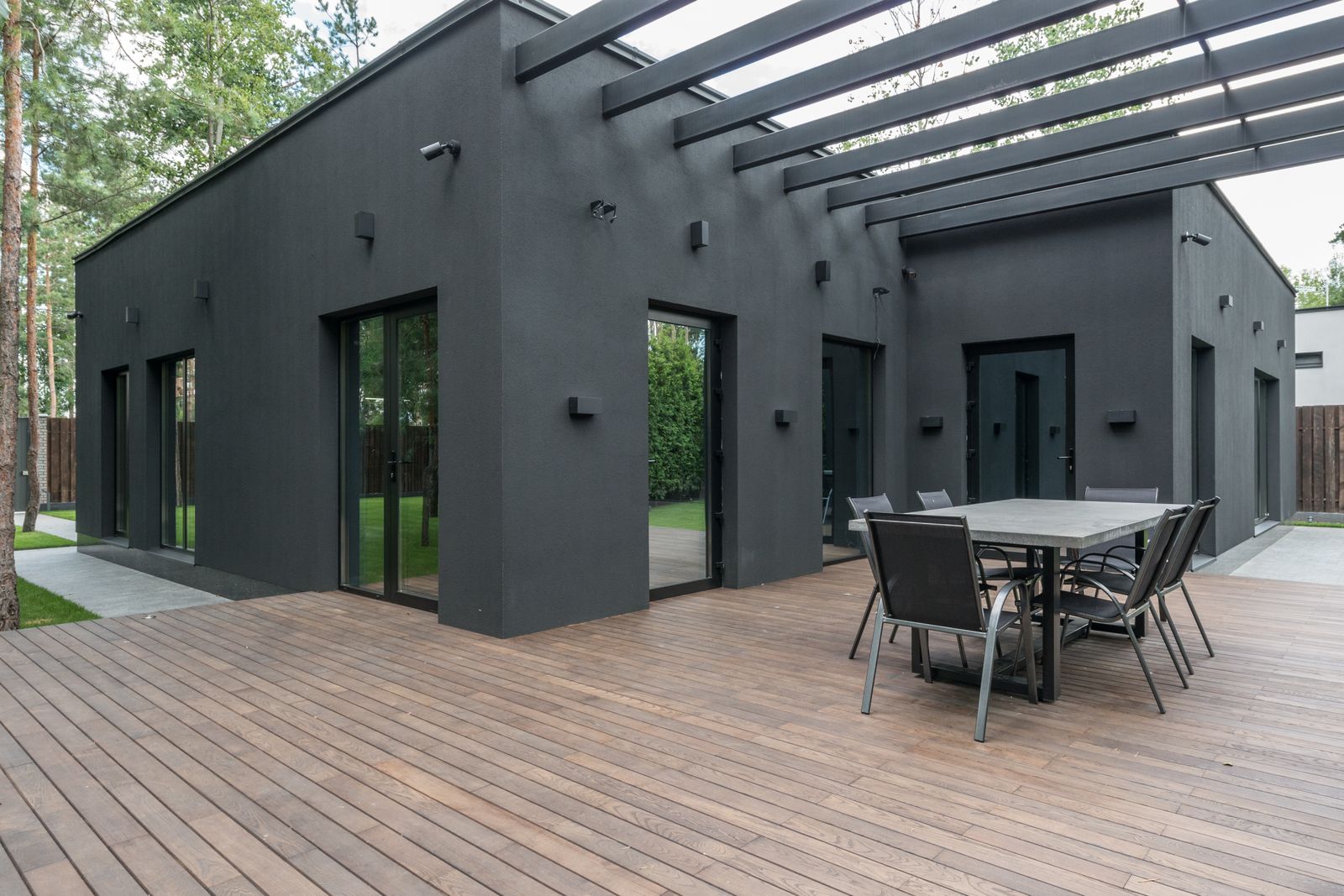
How Does Color Night Vision Work on Outdoor Wireless Cameras? (FAQs)
Color night vision works by making sure enough visible light reaches the camera sensor for it to record actual color instead of a gray image. The camera does this in two ways: by gathering the visible light already present in the scene, and by adding visible light of its own when there is not enough. That is the whole mechanism, and understanding it explains almost every question owners have about why footage looks good on one night and washed out on another.
Why can't a normal camera just record color at night?
Because color is information carried by visible light, and a sensor cannot record information that never arrived. In daylight, sunlight supplies a huge amount of visible light across the whole scene, so the sensor receives plenty of color detail. After dark, the amount of visible light collapses.
Traditional night vision solves the visibility problem with infrared light, which sits outside the range human eyes can see. The sensor can register it, so the scene becomes visible, but infrared carries no color information. That is why classic night footage is monochrome. It is not a limitation of the sensor. It is a property of the light being used.
Color night vision solves the same problem differently, by keeping the light visible. Everything else follows from that choice.
What are the three ingredients of a good color night image?
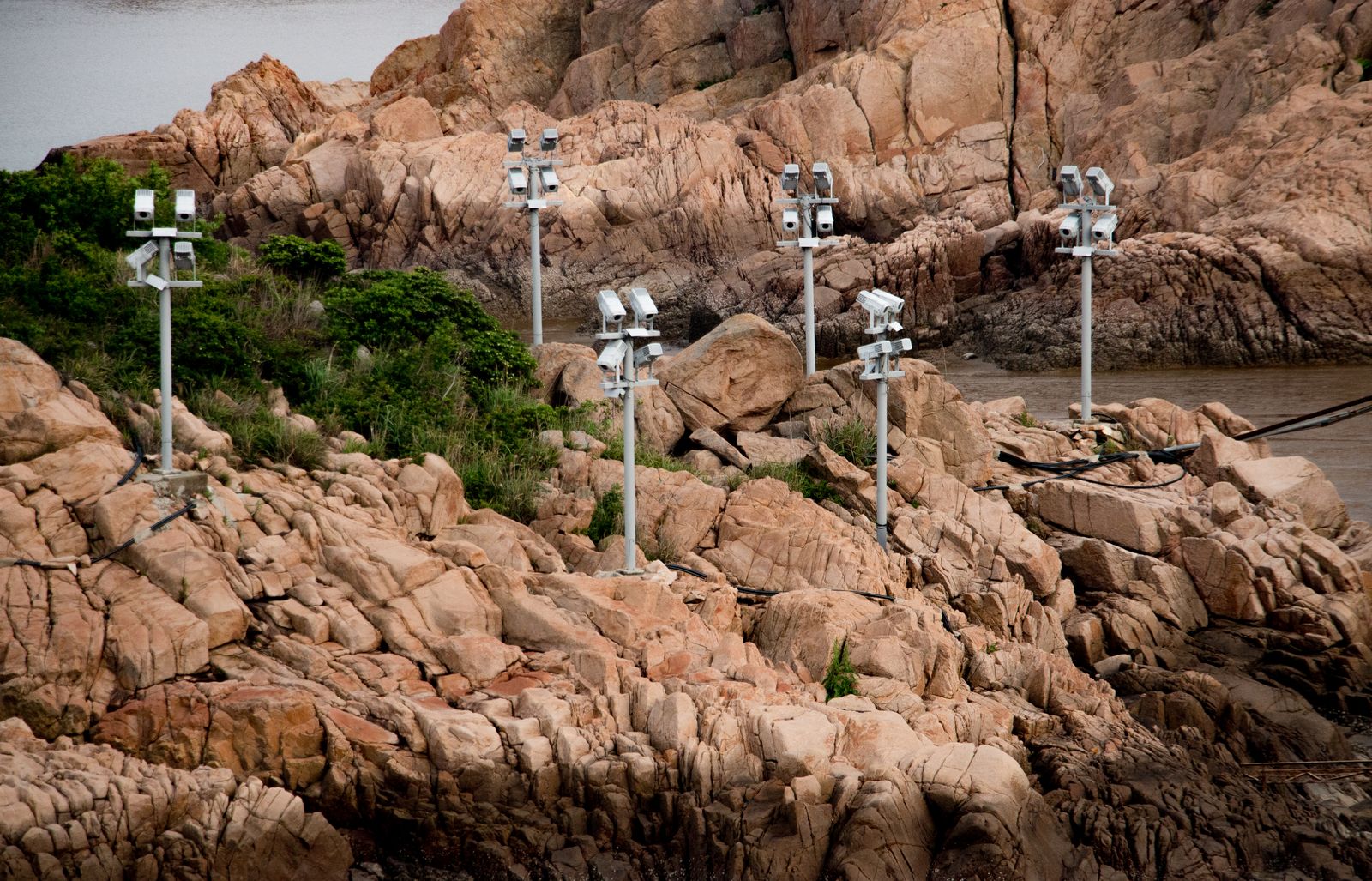
Photo by yanping ma on Pexels
- Available ambient light. Streetlights, porch fixtures, security lights, neighboring windows, and moonlight all contribute. A camera aimed at a scene with some existing light has an easier job and produces a better image.
- The camera's own illumination. When ambient light is insufficient, the camera adds visible light. This is strongest close in and weaker farther away, which is why near subjects render better than distant ones.
- A clean, unobstructed lens. Dust, water spots, and spider webbing scatter the camera's own light straight back into the sensor, producing haze and glare. This is the most common and most fixable cause of poor night footage.
Does color night vision work in total darkness?
Yes, provided the camera can supply its own visible light. In a scene with no ambient light at all, the image will be produced entirely by the camera's illumination, which means quality falls off with distance and the useful area is closer to the camera than it is on a partly lit scene.
This is worth planning around rather than discovering later. If the goal is identifying someone at the far end of a yard in complete darkness, the honest answer is that the subject will be rendered better closer in, and that zoom plus a well-chosen angle does more for identification than expecting uniform quality across a large dark area.
How much power does color night vision use?
More than infrared, because producing visible light costs energy, and less than most owners assume, because it only happens during recorded events rather than continuously all night.
The practical consequence for a solar camera is that power use tracks event count. A camera triggering four times overnight spends very little. A camera triggering two hundred times because it can see a busy street spends a great deal, and it would spend a great deal in monochrome too. This is why detection settings, not night mode, are where battery problems are usually solved. The charge-and-store side of the equation is explained in this overview of how solar security cameras work.
Why does night footage look worse in rain or fog?
Because water droplets and airborne particles scatter light in every direction, including back toward the lens. Any illumination the camera produces gets bounced around before it reaches the subject, which reduces contrast and can create a bright haze across the frame.
Every night vision technology is affected by this, infrared included. Two things reduce it. Mounting the camera under an eave or a small overhang keeps rain off the lens itself, which is where scatter does the most damage. And angling the camera slightly downward rather than straight out means less illumination travels through a long column of wet air before reaching anything solid.
What does color night vision actually let you see?
Realistic expectations matter here. Color night footage is not daylight footage. What it reliably provides is color information sufficient to describe a subject rather than merely register one.
That means the general color of clothing, the color of a vehicle, whether reflective workwear is present, whether a person is carrying something, and often the color of a bag or a bicycle. Those details are what turn a clip into a description that a police report or an insurance claim can use. Fine detail such as a face at long range or text on a small label is a different problem, one solved by getting the camera closer or using zoom on the specific approach point. Field results across varied conditions are examined in this assessment of color night vision reliability.
The Outdoor Solar Security Camera combines color night vision with PTZ movement, motion detection, two-way audio, cloud storage support, wireless WiFi connectivity, and app control, which divides the work sensibly: detection decides when to record, color capture provides the identifying detail, and zoom directs that detail at whatever matters.
How can night footage be improved? Seven checks in order

Photo by Chris Thornton on Pexels
Where should the camera be pointed?
At the approaches you own or control: your driveway, your entrances, your yard, your access paths. Approach coverage is more valuable than coverage of possessions, because it captures people arriving, when they are most identifiable and least aware.
Placement also carries legal weight, and it is worth checking before mounting rather than after. Laws on recording audio and on filming areas beyond your own property line vary by state, country, and sometimes municipality, and two-way audio can fall under consent rules stricter than those for video. Do not aim or zoom a camera so it looks inside a neighbor's home or enclosed yard, keep detection zones inside your own boundary, and confirm local requirements before finalizing an angle. On a camera that can be steered, saved presets are placement decisions too and deserve the same review. The broader reasoning behind approach-focused coverage is set out in this piece on why solar cameras suit home safety.
Quick answers
Does color night vision make the camera visible to intruders? The visible illumination can be seen, unlike infrared. Many owners treat that as a benefit, since an obviously monitored property is a less attractive target, but it does mean the camera announces itself when it activates.
Will color night vision work through a window? Poorly. The camera's own light reflects off the glass straight back into the lens, creating glare that can wash out the whole frame. Cameras intended for outdoor coverage should be mounted outdoors.
Does the image switch to color automatically? Night behavior on many cameras responds to available light, so the specifics vary by model and are worth confirming for the unit in question. What consistently improves results is aiming at a scene with some ambient light and keeping the lens clean.
Is color night vision worth it if the area already has a security light? Yes, and it is easier in that situation. Existing visible light means the camera needs less of its own illumination, so it produces better color at lower power cost, which is the most favorable combination available.
Practical next step
Trigger the camera yourself tonight, walk through the scene the way a visitor would, then watch the clip back. Note whether clothing color is readable and whether the face is framed rather than the top of a head. Those two observations will tell you whether the fix is cleaning the lens, changing the angle, or moving the camera closer to the approach it is meant to watch.
Cover photo by Max Vakhtbovych on Pexels.