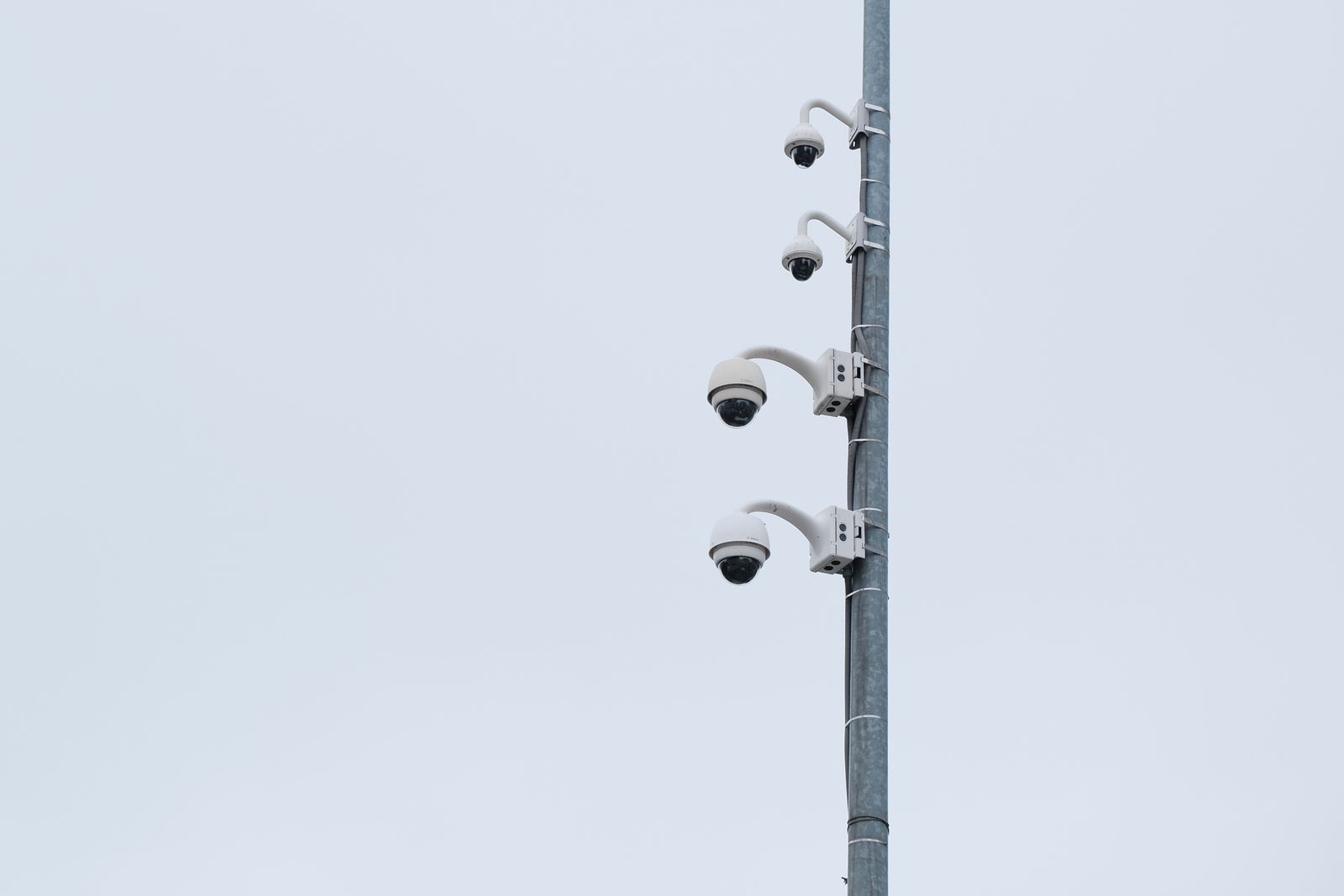
Are Solar Security Cameras Reliable? (vs Wired Systems & Night Vision Debunked)
Imagine a severe thunderstorm knocking out municipal power across your neighborhood at midnight, leaving traditional grid-tied security systems dark. Meanwhile, a solar security camera continues recording without interruption. Modern solar security cameras are fully as reliable as hardwired systems for residential and commercial protection. Powered by high-efficiency solar panels that harvest energy even on overcast days, paired with high-capacity lithium backup batteries and low-power passive infrared (PIR) sensing, quality solar cameras maintain continuous 24/7 surveillance through 3 to 5 consecutive days of cloud cover or power outages.
Reliability Decision Framework: Solar PTZ vs. Hardwired PoE
Choose wireless solar PTZ cameras for complete off-grid reliability, zero trenching costs, and uninterrupted surveillance during power grid failures. Reserve hardwired PoE systems for indoor server rooms or locations devoid of daylight.
Best choice for
- Wireless Solar PTZ Camera Pack — Eliminates thousands of dollars in wire trenching, conduit run costs, and electrical contractor fees while offering pan-tilt-zoom wide area coverage.
- Wireless Solar PTZ Camera Pack — Internal lithium battery storage recharged daily by solar power ensures uninterrupted recording even when grid electricity fails entirely.
- Wireless Solar PTZ Camera Pack — 100% wire-free mounting installs cleanly onto wood, vinyl siding, brick, or metal posts using simple hardware.
- The installation location is completely enclosed indoors with zero access to direct or ambient outdoor daylight.
- You require continuous 24/7 uncompressed raw video recording 24 hours a day rather than intelligent motion-activated event recording.
- Hardwired PoE System with Uninterruptible Power Supply (UPS) — Provides continuous non-stop recording, but requires expensive backup batteries at the NVR rack and costly cable running.
Wireless solar security cameras solve these failure vectors by operating on an independent micro-power grid. Each camera functions as a self-sustaining security island. During localized power failures, rolling blackouts, or severe weather events, solar cameras remain fully operational, recording motion events locally and transmitting live video feeds via wireless WiFi directly to your mobile app.
Recommended Solution: Outdoor Solar Security Camera Pack
Photo by khairul nizam on Pexels
For property owners seeking total peace of mind without the hassle of professional wiring, multi-pack solar PTZ systems offer the ultimate balance of coverage, autonomy, and security features.
- Pan-Tilt-Zoom (PTZ) Coverage: Remote 355° pan and 90° tilt controls managed via mobile app eliminate blind spots around garages, gates, and perimeters.
- Uninterrupted Power Autonomy: High-efficiency solar panels maintain lithium reserve batteries even during overcast, cloudy winter weeks.
- Intelligent Color Night Vision: Ultra-bright LED spotlights activate instantly upon motion detection to capture full-color facial and license plate details in complete darkness.
- Redundant Data Protection: Choose between secure cloud backup options and local encrypted storage so footage is never lost if home internet drops.
- Active Defense & Two-Way Audio: Communicate with delivery drivers or warn off trespassers in real time from anywhere in the world.
Reliability Benchmark Matrix: Solar PTZ vs. Traditional Hardwired PoE
| Reliability Vector | Outdoor Solar PTZ Camera Pack | Hardwired PoE Camera System | Operational Security Advantage |
| --- | --- | --- | --- |
| Grid Power Outage Resilience | 100% Operational (Self-powered via solar & battery) | System offline unless connected to external UPS backup | Solar cameras remain live during municipal storm blackouts. |
| Cable Vulnerability & Sabotage | Zero exterior wires to cut or compromise | Exposed Ethernet cables can be severed or shorted | Wireless solar units eliminate physical wire-tampering risks. |
| Winter & Overcast Performance | 3 to 5 days autonomy on battery reserve alone | Unaffected by weather (dependent on grid stability) | High-capacity batteries bridge extended cloud cover easily. |
| Night Vision Energy Draw | Intelligent PIR standby + instant spotlight trigger | Constant High IR or Spotlight power consumption | Solar smart standby preserves 95%+ power for actual motion events. |
| Property Installation Overhead | 15-minute DIY mount per camera; zero trenching | Requires wall drilling, conduit runs, contractor fees ($1,500+) | Massive cost savings with flexible re-positioning anytime. |
| WiFi Connection Drop Behavior | Continues recording motion events to local storage | NVR continues local recording if network switch remains powered | Both systems protect event data during internet service drops. |
| Single Point of Failure Risk | Zero (Each camera operates independently) | High (NVR failure or main switch outage drops all cameras) | Solar camera packs maintain isolated protection per channel. |
| Remote App Management | Real-time PTZ control, alerts, & cloud access via app | App control available if NVR router bridge configured | Solar cameras deliver native mobile-first app responsiveness. |
To evaluate real-world performance, this benchmark matrix compares off-grid wireless solar cameras against traditional hardwired PoE systems across eight critical security failure vectors.
Solar Reliability & Battery Reserve Estimator
Estimate how many days your solar security camera will operate on battery reserve during zero-sunlight weather conditions based on your daily usage profile.
Key Takeaways: Why Modern Solar Security Cameras Don't Go Dark
Understanding how modern solar security architecture maintains continuous uptime provides complete confidence in wire-free security.
Featured Solar Surveillance Solution
Deploy total property surveillance with our top-rated off-grid security system designed for seamless app control and all-weather endurance.
Pre-Installation Solar Reliability Checklist
Photo by Life Of Pix on Pexels
- Position the solar panel facing South or South-West with an unshaded tilt angle between 30 and 45 degrees.
- Verify the panel mounting location receives at least 2 to 3 hours of direct sunlight or bright ambient sky exposure daily.
- Check 2.4GHz WiFi signal strength at the exact camera installation spot using the dedicated mobile app prior to drilling.
- Configure motion detection sensitivity and spotlight activation duration to balanced levels to optimize night battery preservation.
- Enable dual backup options by inserting an encrypted local micro-SD card and linking your cloud storage account.
Common Myths & Pitfalls in Solar Security Deployment
Misconceptions about solar tech can cause property owners to hesitate unnecessarily or misplace their hardware. Here is the truth behind common solar security myths.
Myth 1: "Color Night Vision Spotlights Drain the Battery Overnight"
The Fact: Modern solar security cameras do not run energy-intensive lights continuously. Instead, the camera remains in an ultra-low-power passive infrared (PIR) standby mode drawing micro-amps. The bright LED spotlight and 1080p/4K color sensor instantly wake up only when physical motion (like a person or vehicle) breaks the detection zone. After 15 to 30 seconds of clear, full-color recording, the camera returns to standby, consuming less than 2% of total battery storage overnight.Myth 2: "Solar Cameras Stop Working in Freezing Winter Weather"
The Fact: Solar panels do not rely on heat; they generate electricity from light photons. In fact, cold air improves photovoltaic solar panel voltage efficiency. Furthermore, winter snow on the ground acts as a giant mirror, reflecting ambient light back onto the solar panel surface. As long as snow accumulation is brushed off the panel glass, high-grade lithium battery banks continue charging down to sub-zero temperatures.Myth 3: "If the Home WiFi Drops, Security Footage is Lost"
The Fact: Wireless solar security cameras operate independent local recording loops. If your home internet router loses connection or goes offline during a storm, the camera's onboard processor continues detecting motion events and writing encrypted video directly to its internal micro-SD storage card. Once WiFi connectivity is restored, the camera automatically syncs event logs to your mobile app and cloud storage.Frequently Asked Questions: Solar Security Camera Reliability
Clear answers to the most vital questions regarding off-grid solar surveillance performance, battery endurance, and extreme weather resilience.
Action Plan: Securing Your Property with Solar Reliability
Your decision: Determine whether wireless solar PTZ camera packs suit your property's perimeter layout and light exposure.
Do this next: Perform a simple 5-minute sunlight and WiFi audit at your key surveillance points, then select a multi-pack solar PTZ system to cover main property angles.
- Read next: Solar Security Cameras vs. Hardwired Systems: Which Is Right for Your Property?
- Read next: Color Night Vision vs. Standard Infrared Security Cameras
Outdoor Solar Security Camera Pack with PTZ, color night vision, app control, and cloud storage support.
Taking control of your perimeter security does not require expensive electrical trenching or complicated wiring setups. By selecting off-grid wireless solar PTZ camera packs, you establish a resilient, self-powered defense network that keeps watch 24 hours a day, 7 days a week.
Explore Related Solar Security Guides & Cost Breakdowns
Provide contextually relevant internal links to guide deeper user research.
Cover photo by Tomas Ryant on Pexels.