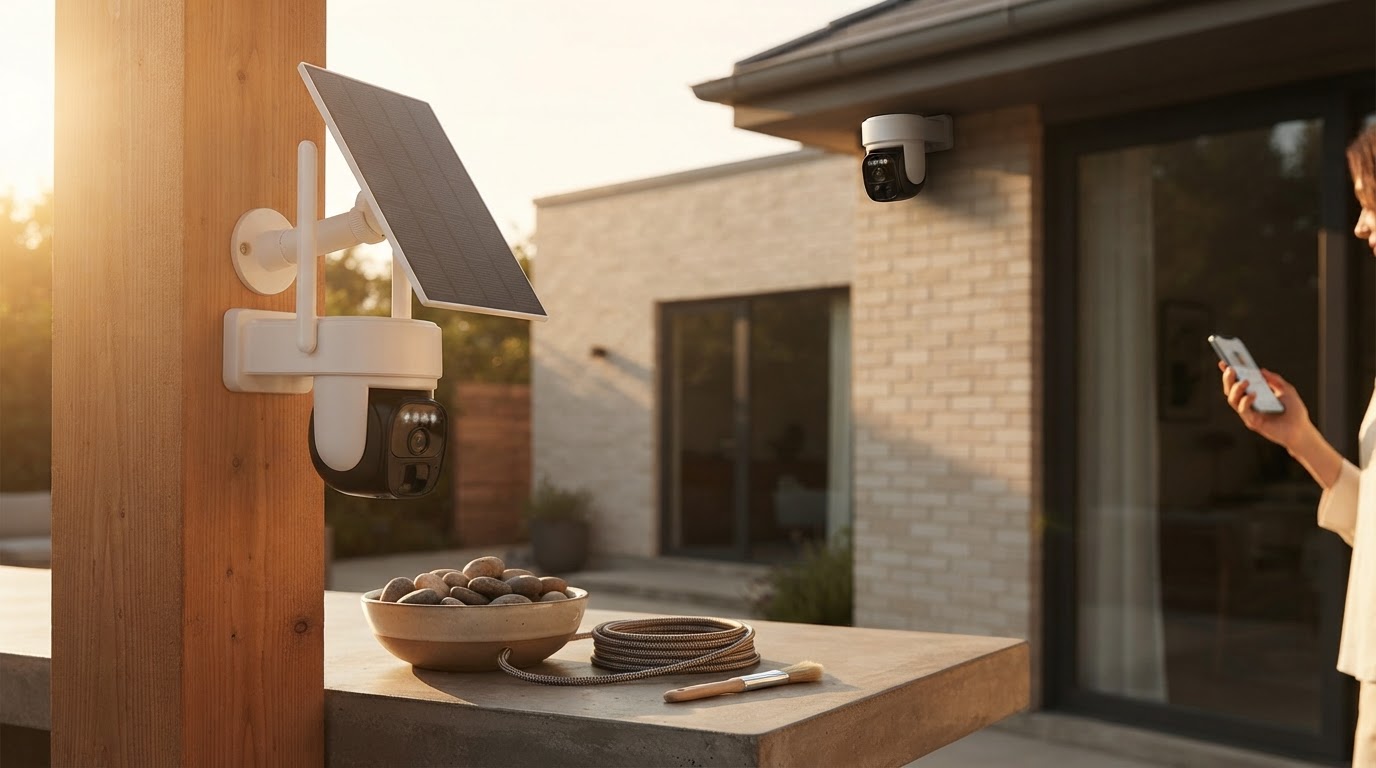
Solar vs Battery Powered Security Cameras: How to Choose
Choosing between solar powered and traditional battery powered security cameras comes down to maintenance expectations, feature usage, and installation location.
Power Management and Maintenance Differences
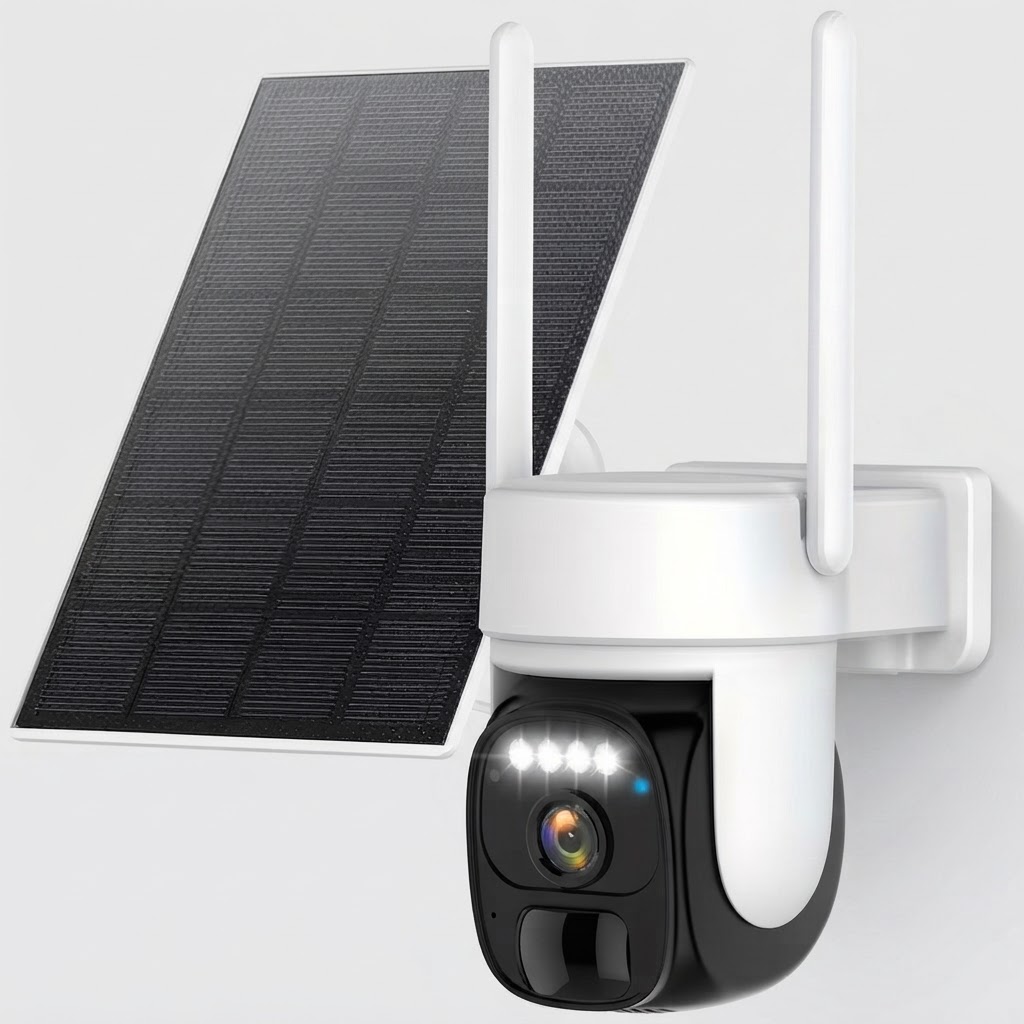
Standard battery powered cameras run on internal reserves that require periodic removal and manual recharging, often requiring 4-8 hours hours of downtime every few months. In contrast, solar security cameras continually recharge during daylight, eliminating the need to take down equipment for power upkeep.
Feature Capabilities and Energy Consumption
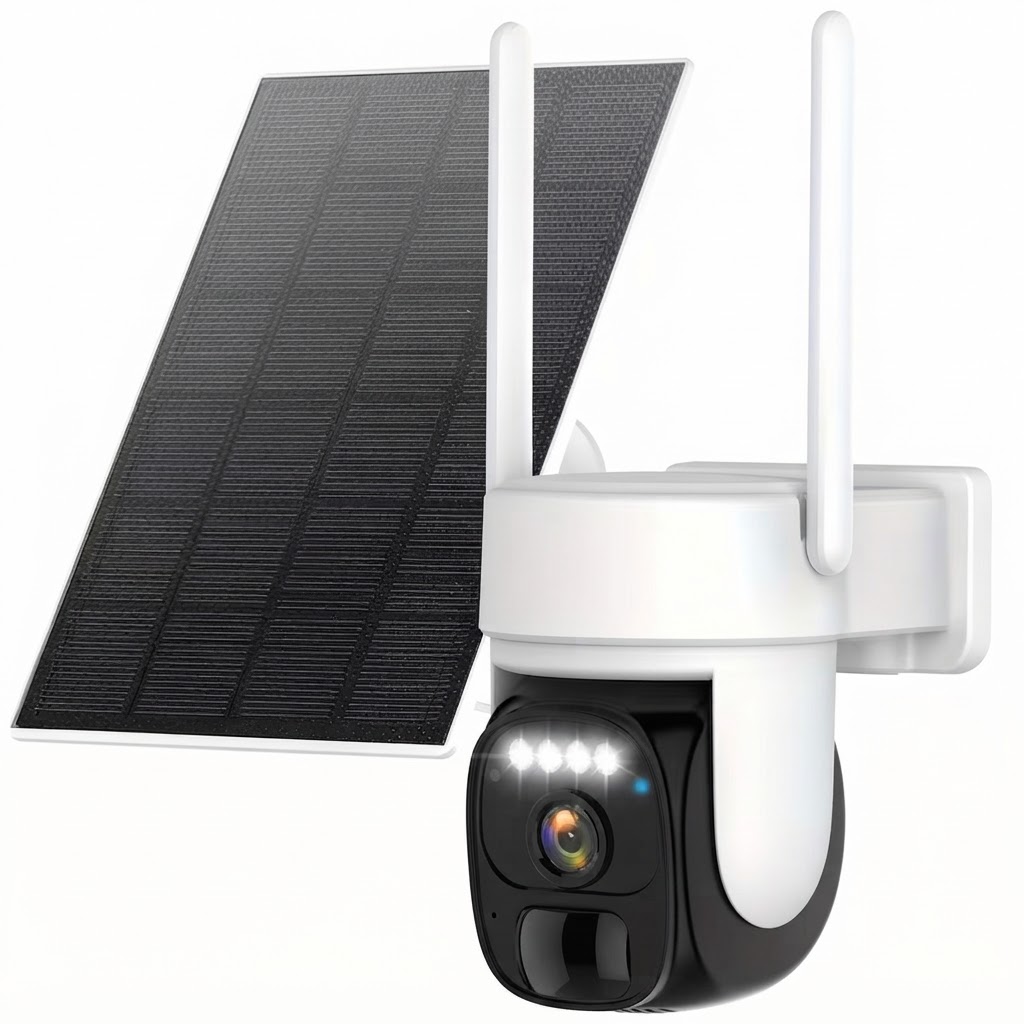
Power availability directly influences feature usage. Standard battery cameras often limit energy-intensive features to preserve power. Solar-powered devices comfortably sustain robust security options, including:
- Dynamic PTZ (Pan-Tilt-Zoom) movement
- Bright color night vision in dark conditions
- Instant motion detection alerts via app controls
- Constant communication through two-way audio
Installation Flexibility and Long-Term Costs
Both systems utilize wireless WiFi connectivity for flexible exterior installation without electrical wiring. However, solar security cameras eliminate long-term maintenance labor and reduce system downtime. To understand how photovoltaic cells convert ambient light into stable camera power, read the main guide.Verdict: Which Camera System Fits Your Needs?
If you prefer zero-maintenance monitoring for hard-to-reach outdoor zones, office spaces, or residential grounds, an Outdoor Solar Security Camera offers an reliable, self-powered advantage over simple battery units.Read the full guide: How Do Solar Powered Security Cameras Work: Complete Guide