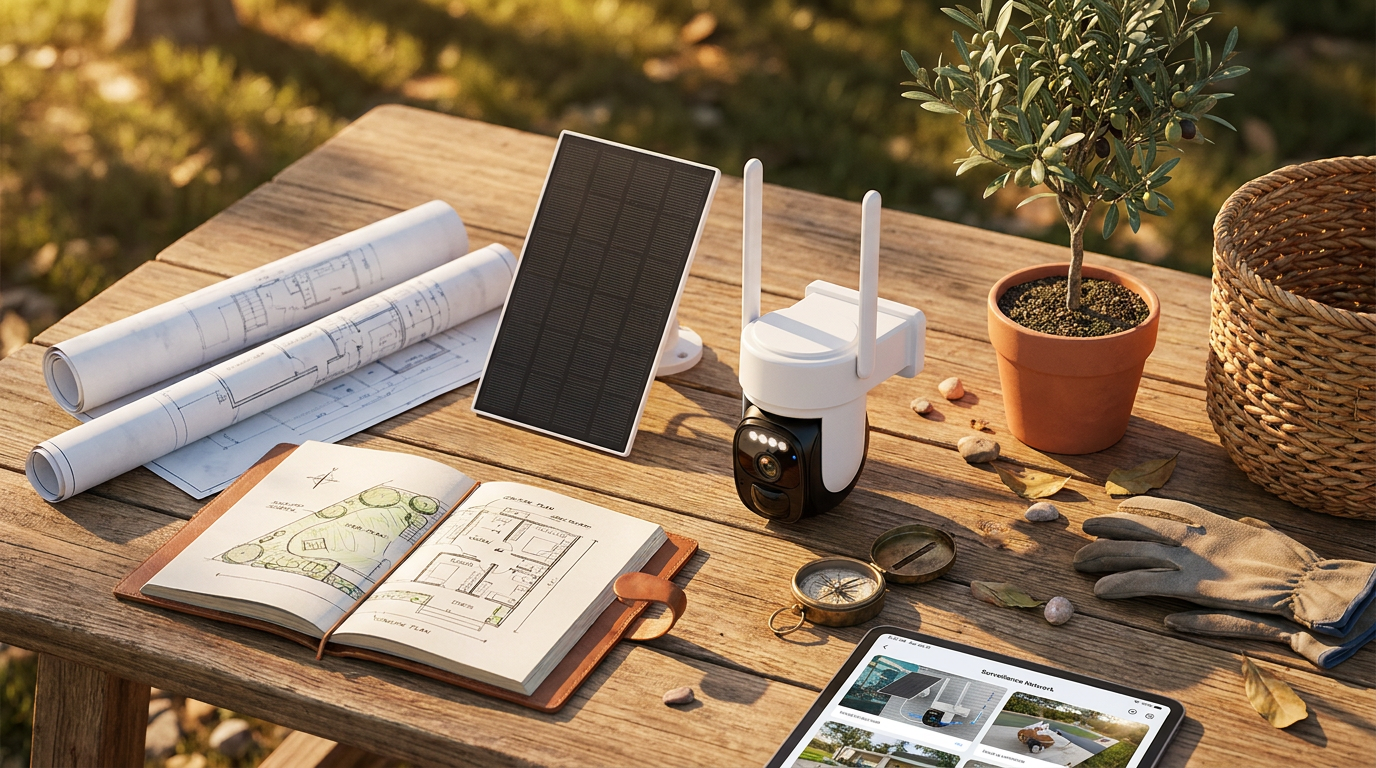
Scaling Your Outdoor Solar Security Camera System
 Sam VasquezBuying Guide Lead
July 10, 2026. This guide details how to build and scale a comprehensive wireless surveillance network using solar energy. It is written for homeowners and property managers who need reliable coverage without the logistical nightmare of running power cables to every corner of their lot.
The Infrastructure Challenge of Perimeter Security
When you move beyond a single doorbell camera and start looking at a full wireless solar powered security camera system, the complexity shifts from installation to maintenance. The primary problem most of my readers face isn't just getting the cameras on the wall; it's ensuring they stay powered through seasonal shifts and maintain a stable connection over distance. According to Swann, modern wireless solar security cameras are designed to be weatherproof and highly adjustable, offering flexible mounting options that allow you to separate the solar panel from the camera body to catch the best light. This is a critical distinction because a camera tucked under an eave for a better view will never get enough sun to stay charged on its own.
I often see people overlook the "system" aspect of their purchase. They buy four different brands and end up with four different apps, which is a mess during an actual emergency. If you are trying to secure a larger area, like a detached shed or a long driveway, you have to account for the signal drop-off. Many of the queries I see in my inbox involve the outdoor motion sensor solar camera wifi and how to keep it connected when it is fifty feet from the router. Between the budget options and high-end 4K kits, the middle ground is often the hardest to navigate. If you are looking for an outdoor solar security camera that doesn't require a degree in electrical engineering to install, you have to prioritize the ecosystem. I've found that people often start with a single unit and quickly realize they need three more to cover blind spots. If you're on a budget, you might be tempted to go with the cheapest generic panels you find on a marketplace, but the lack of integrated software usually makes those a bad long-term investment.
Matching Hardware to Property Needs
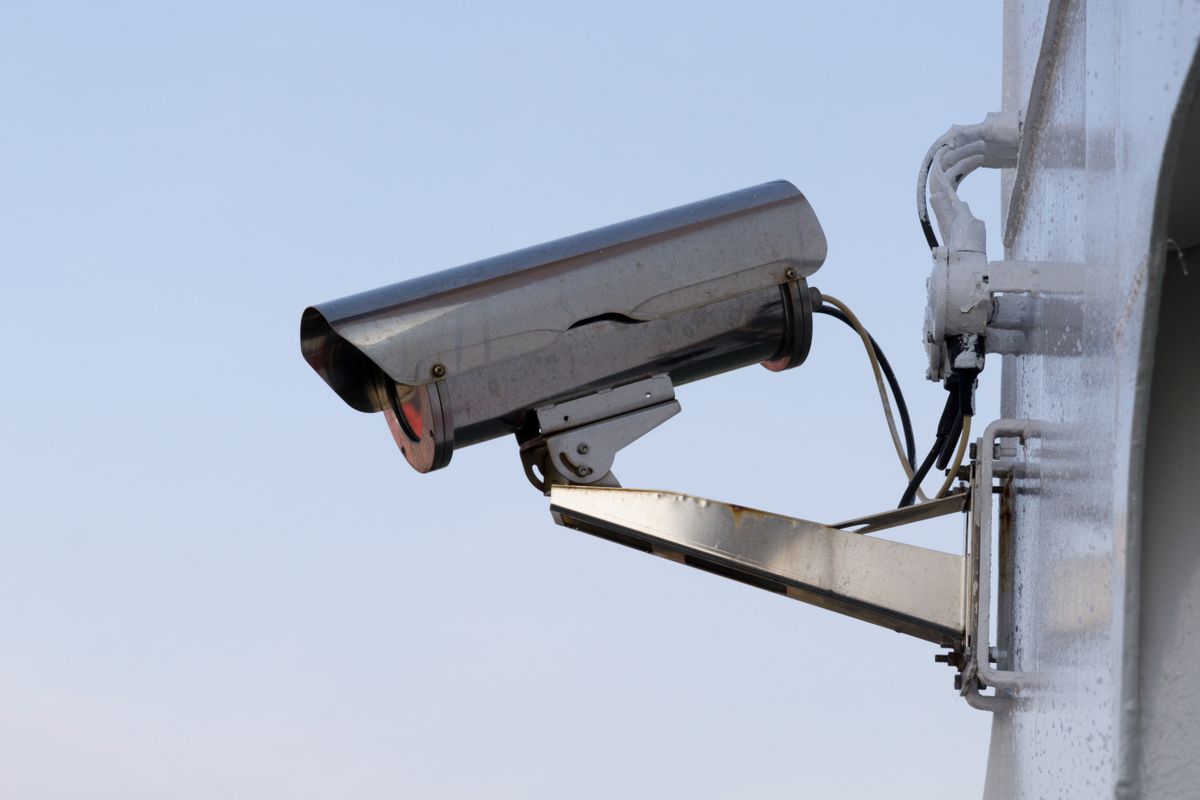
Building an Outdoor Solar Security Camera setup requires matching the hardware to the specific environmental constraints of your property. For example, if you are monitoring a high-traffic area, a standard battery might drain faster than the solar panel can replenish it. This is where high-capacity batteries and efficient AI detection come into play. Ctronics offers a 2K 3MP model with a 7800mAh rechargeable battery, which is a solid baseline for most suburban homes. However, if you have a massive property where Wi-Fi won't reach, you might need to look into the 4G LTE solar security camera options that use SIM cards instead of your home network.
Here’s what I’d actually buy: if I were setting up a system for a standard quarter-acre lot today, I would look at the Aosu 5MP or 4K systems. They offer two-way audio which is essential for deterring trespassers before they get to the door. Skip this if you live in an apartment with no south-facing light; solar just won't work for you, and you'd be better off with an easy install solar camera for renters that you can occasionally charge via USB. For those with larger needs, Defender’s EverWatch series allows you to connect up to six cameras per location and manage up to 16 per account. That kind of scalability is what separates a toy from a real security system. Between the Defender 4K AI and the Ctronics budget units, I’d go with the Defender if you actually care about identifying faces at a distance, as the 4K resolution and Bluetooth-assisted 5-minute setup save hours of frustration during the initial rollout.
A Decision Framework for Solar Surveillance
Before you pull the trigger on a multi-camera kit, you need a checklist to ensure you aren't buying a system that will fail the first time it rains for three days straight. Most people focus on the resolution, but the charging efficiency and the app interface are what you will live with every day. The outdoor motion sensor solar camera wifi models are great for saving power because they only record when something moves, but you need to ensure the PIR (Passive Infrared) sensor is adjustable so you don't get 500 notifications of a tree blowing in the wind.
When evaluating a wireless solar powered security camera system, use this framework:
- Solar Panel Wattage: Ensure the panel provides at least 3W of power; anything less will struggle to keep up with 4K recording demands.
- Local vs. Cloud Storage: Look for systems like Defender that support up to 256GB local storage to avoid monthly subscription fees.
- Weather Rating: Do not settle for anything less than IP65 or IP66 waterproofing for year-round outdoor use.
- App Ecosystem: Verify that the app can handle the total number of cameras you plan to install without lagging.
- Mounting Flexibility: Check if the solar panel has at least a 10-foot cable so you can place it in direct sun while the camera stays in the shade.
Shop Outdoor Solar Security Camera here
Sources
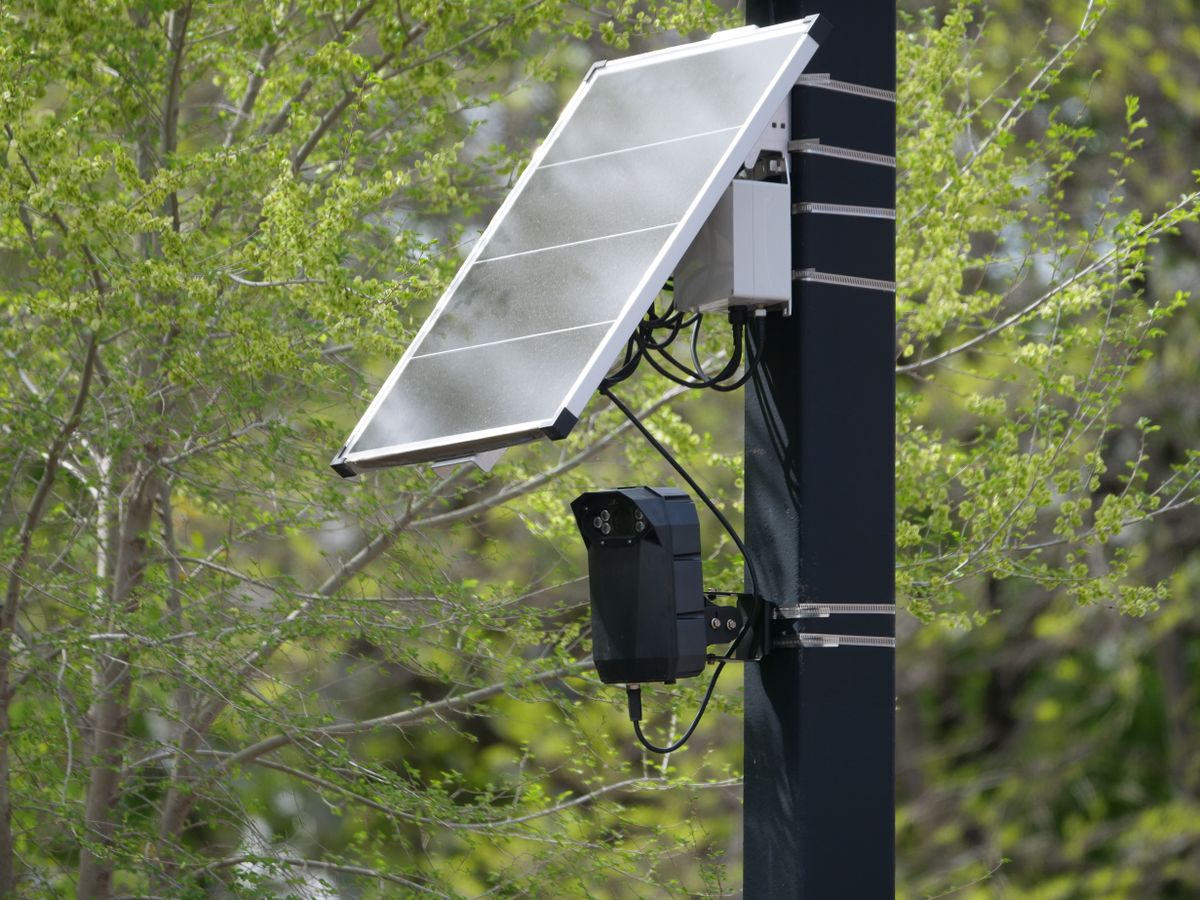
Photo by Giant Asparagus on Pexels
- Solar Powered Security Camera
- Solar Powered 4K AI EverWatch Wireless Security Camera, 3W ...
- Solar-Battery Security Cameras - Ctronics