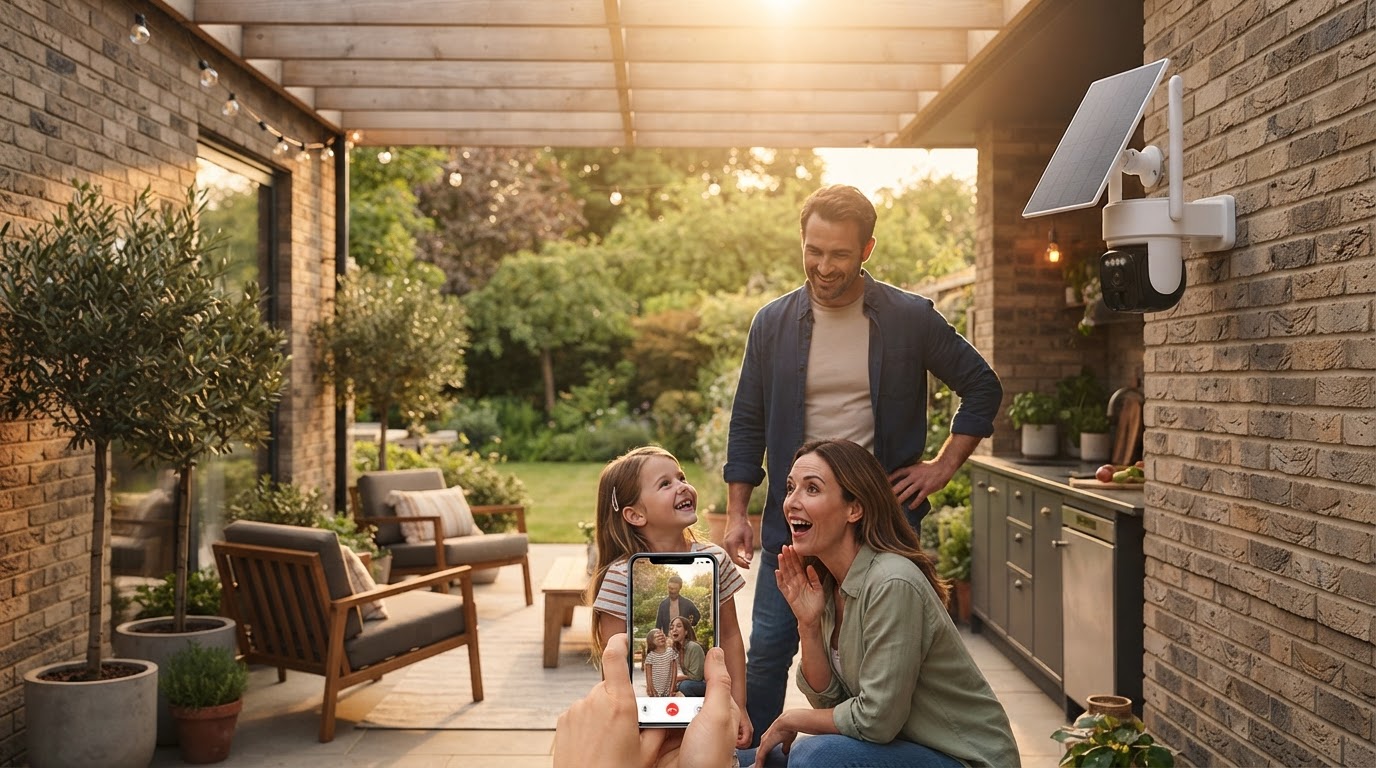
Installing a Wireless Solar Powered CCTV System
 Maya ChenContributing Editor
August 17, 2026. This guide details the technical requirements and deployment steps for integrating a wireless solar powered CCTV system into a modern property. It is written for property owners who require persistent surveillance in locations where traditional hardwiring is physically or financially impractical.
The Power Budget Myth in Remote Surveillance
The conventional wisdom says that any solar panel attached to a camera will suffice for year-round operation. This assumption fails to account for the reality of winter solar cycles and high-activity zones. Most budget systems are designed for standby mode, not active monitoring. According to Swann, professional-grade wireless solar security cameras must offer flexible mounting options and highly adjustable panels to capture specific angles of light that change with the seasons. Without this adjustability, a camera located in a high-traffic area—like a driveway or a storefront—will deplete its internal battery faster than the panel can replenish it during the short days of December. Run the math: a standard 2K camera requires a consistent voltage floor to maintain its Wi-Fi handshake. When that floor drops, the system doesn't just stop recording; it loses its network connection entirely, requiring a manual reset. This is particularly problematic for users seeking the best solar security camera for backyard use, where foliage often creates intermittent shading that reduces panel efficiency by up to 40% even in direct sun.
Technical Integration of Outdoor Solar Security Camera Systems
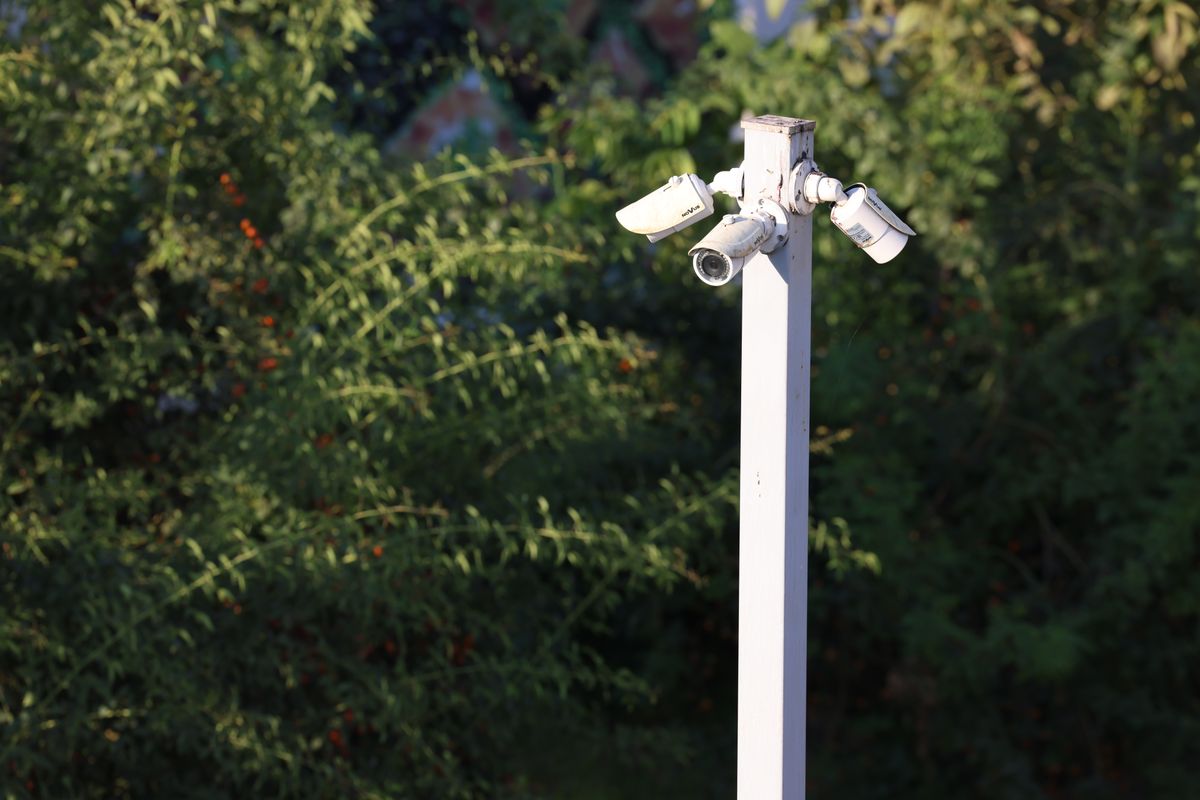
Photo by Xayriddin Baxromxo'jayev on Pexels
Transitioning to an Outdoor Solar Security Camera system requires moving beyond simple motion alerts to sophisticated AI-driven detection to preserve power. Unlike older systems that triggered on every swaying branch, modern units like those from Ctronics utilize 2K 3MP resolution combined with 7800mAh rechargeable batteries and PIR detection to differentiate between a human and environmental noise. This efficiency is critical when deploying a [solar motion light with camera combo](/blog/solar-motion-light-with-camera-combo-comparison), as the illumination component places a secondary draw on the stored energy. Here's the part nobody talks about: the bottleneck isn't usually the camera hardware, but the router's distance and the frequency of the 2.4GHz band. For deployments where the Wi-Fi signal cannot reach, such as a perimeter fence or a remote shed, a specialized [outdoor solar camera no wifi](/blog/outdoor-solar-camera-no-wifi-functionality) variant using 4G LTE is the only viable alternative. For standard residential setups, the Outdoor Solar Security Camera provides 4K AI capabilities, as seen in the Defender EverWatch series which advertises a five-minute Bluetooth-assisted setup. This high-resolution throughput demands a robust upload speed; a single 4K stream can consume 4-8 Mbps of bandwidth, which can saturate a standard home network if multiple units are installed without a dedicated sub-network.
Strategic Deployment and Hardware Selection
Selecting a wireless solar powered surveillance camera involves more than checking a box for resolution. You must evaluate the hardware against the specific environmental constraints of the installation site. Night Owl highlights that their 2K wire-free systems include spotlights and 2-way audio, but these features are only useful if the mounting height allows for clear facial recognition while remaining accessible for occasional panel cleaning. Dust and bird droppings on a 3W solar panel can lead to a 15% drop in charging efficiency within a single month. If you are looking for a solar security camera outdoor solution, you must prioritize the ingress protection (IP) rating to ensure the battery compartment remains sealed against moisture. I'll change my mind about the superiority of integrated panels when external, high-wattage panels become the default for all budget models, as they currently provide the only reliable way to maintain a charge in northern latitudes. Before finalizing a purchase, verify the following technical requirements:
- Confirm the PIR detection range matches the entry point distance (typically 25-30 feet).
- Verify the solar panel wattage; a minimum of 3W is required for 4K streaming.
- Check for local storage options (microSD) to prevent data loss during Wi-Fi outages.
- Ensure the mounting hardware allows for a 45-degree tilt toward the midday sun.
- Audit the mobile application for multi-user access without mandatory subscription fees.
- Assess the 4k solar security camera outdoor specifications for true optical versus digital zoom capabilities.
Sources
Photo by Scott Webb on Pexels
- Solar Powered Wire Free 2K Camera with Spotlight and 2-Way Audio - Whi
- Solar Powered Security Camera - Swann
- Solar-Battery Security Cameras - Ctronics