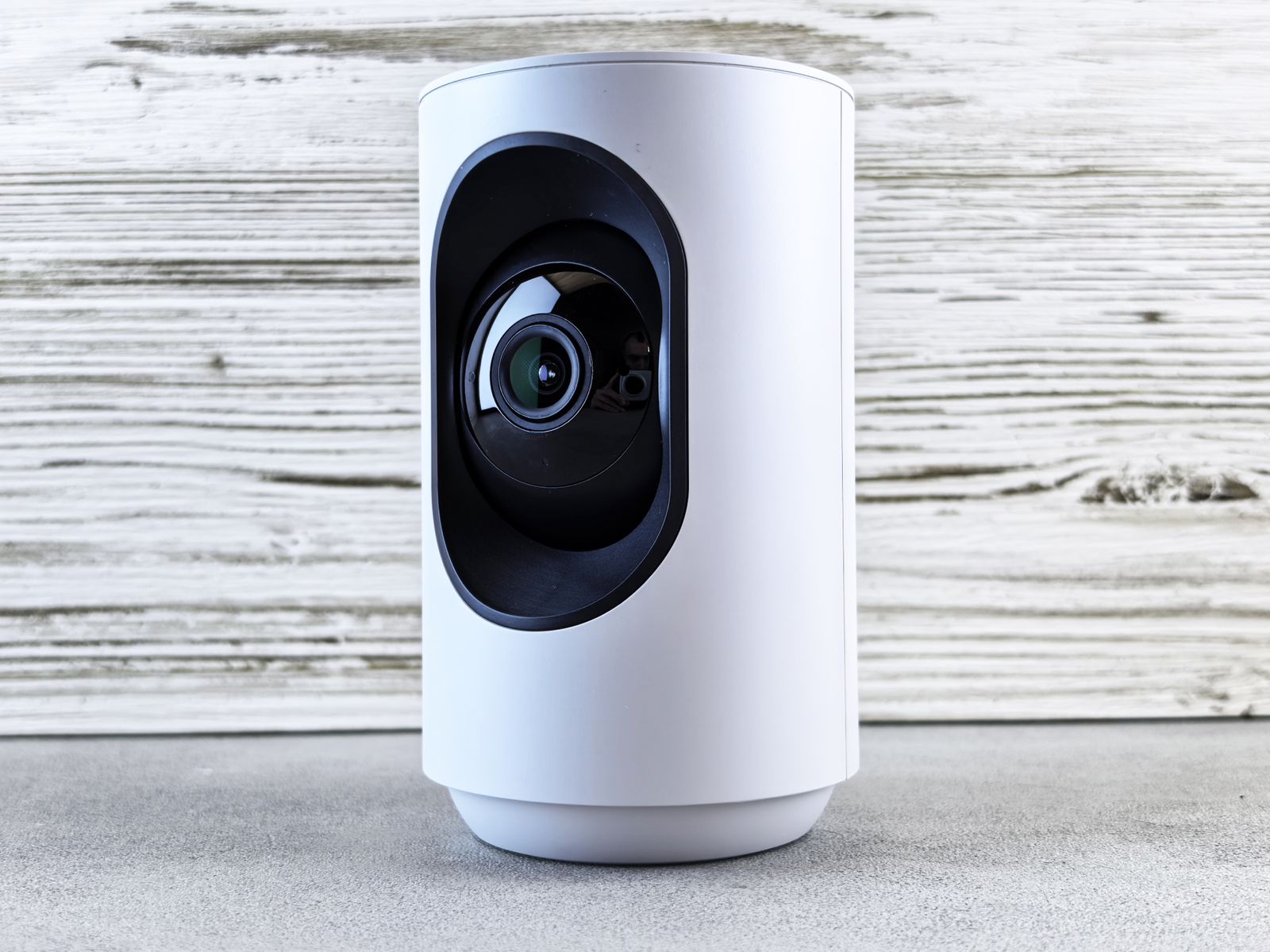
Suburban Perimeter Defense: Solar Security Camera Pack Buying Guide
For a typical suburban lot, three to four cameras cover the perimeter properly: the driveway and front approach, the front door, the main back door or patio slider, and whichever side gate or path is least visible from the street. Two cameras leaves a blind side. Six is usually more than the property needs unless it is a corner lot or has a detached structure worth watching separately.
The count is only half the decision. What separates a pack that gets used from one that gets unplugged is whether each camera can be placed where the sun is, whether it can re-aim after installation, and whether the alerts it sends are worth reading. This guide works through all three.
How many cameras does a suburban perimeter actually need?
Start from entries, not from walls. Count every way a person can reach the house on foot, then buy one camera per entry rather than trying to blanket the yard.
| Property type | Recommended cameras | Priority order | |---|---|---| | Standard interior lot, attached garage | 3 | Driveway approach, front door, back slider | | Interior lot with side gate and fenced yard | 4 | Driveway, front door, side gate, back slider | | Corner lot, two street exposures | 4–5 | Both street approaches, front door, back slider, side gate | | Lot with detached garage or shed | 4–5 | Standard three plus the outbuilding door and its approach | | Long or rural driveway | 4–6 | Driveway entrance, mid-drive, front door, back door, outbuildings |
The most common mistake is buying two cameras and pointing both at the front of the house. Nearly every suburban break-in attempt happens at a rear or side entry that cannot be seen from the road, which is exactly the area the front-facing pair misses. If budget forces a phased build, buy for the front approach first and the least visible rear entry second, then fill in.
What features actually matter in a perimeter pack?
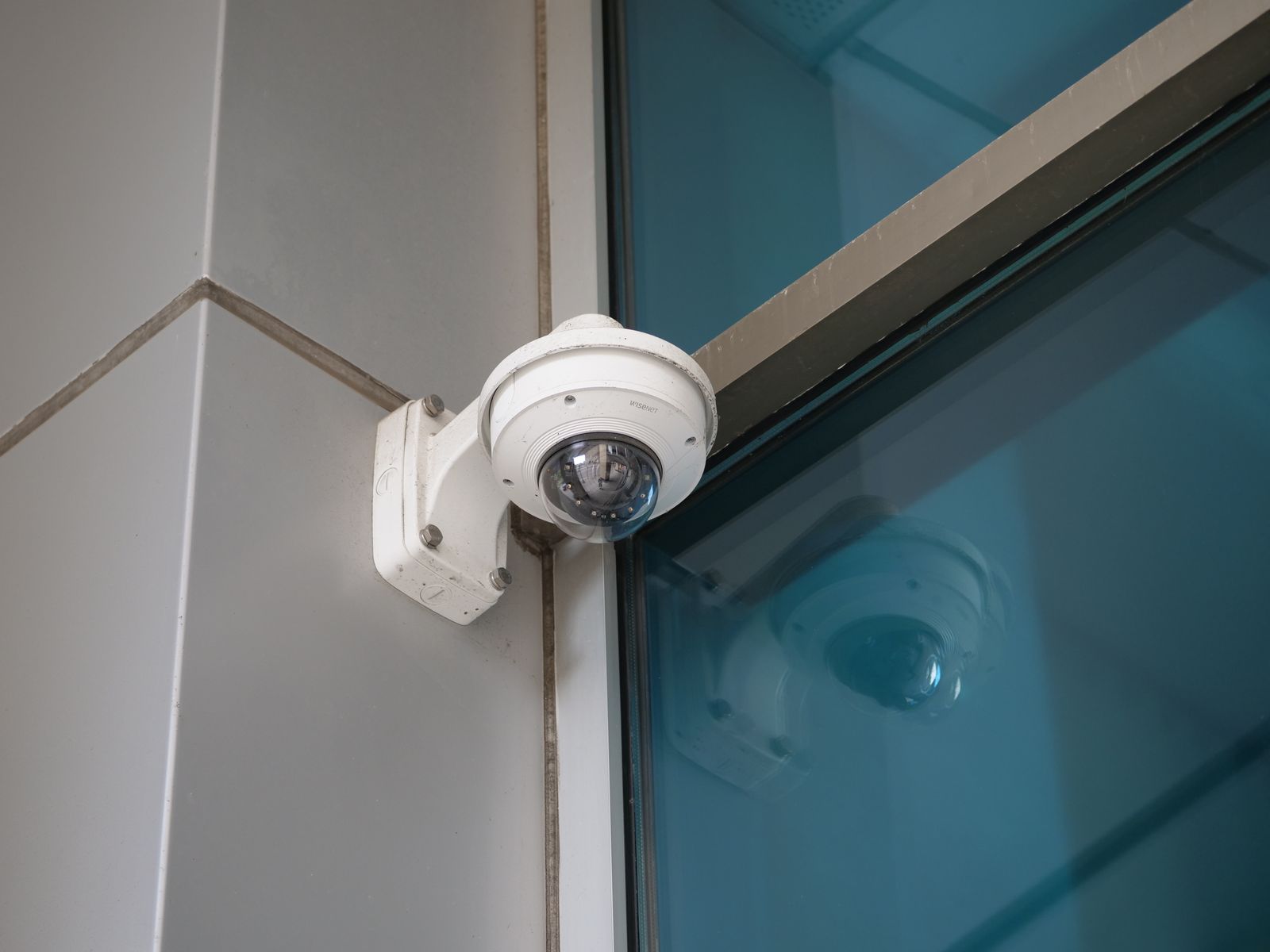
Photo by Giant Asparagus on Pexels
Some specifications get advertised heavily and matter little outdoors. These are the ones that change day-to-day usefulness.
- Pan, tilt, and zoom. A fixed camera sees one cone forever. A PTZ camera can be re-aimed from the app when a tree grows, a fence goes up, or you realize the frame is off by fifteen degrees. On a multi-camera install, that flexibility compounds: you can cover a wider perimeter with fewer units because each one is not locked to its original aim.
- Color night vision. Standard infrared night vision produces gray images where a red car and a blue car look the same. Color night footage preserves clothing color, vehicle color, and other details that make a clip identifiable rather than merely suspicious. On a perimeter, where subjects are often at a distance, that difference decides whether footage is useful.
- Wireless WiFi connectivity. No trenching, no drilling through walls for cable, and no electrician. It also means each camera's position is limited only by signal and sun rather than by cable runs.
- Two-way audio. Being able to speak through the camera turns a passive recording into an intervention. Most people who are somewhere they should not be leave as soon as a voice addresses them.
- Motion detection with adjustable zones. Alerts are only valuable if they are rare. A perimeter with untuned detection zones will send hundreds of notifications a day for passing cars and moving branches, and then get muted.
- Cloud storage. Footage stored off the device survives the camera being stolen or destroyed, which is exactly the scenario where the footage matters most.
- App control across all units. Managing four cameras in one app, with one live view and one alert feed, is the difference between a system you check and one you ignore.
Why PTZ is worth the premium on a perimeter build
On a single doorbell-height camera, pan and tilt is a convenience. On a perimeter, it changes the math. A fixed camera at a driveway corner sees either the drive or the side path, and you choose once. A PTZ camera in the same spot can be set wide to detect movement anywhere in the area, then zoomed onto whatever moves.
That has three practical effects:
The one thing zoom demands in return is a rigid mount, since any flex in the bracket becomes visible movement in a zoomed image. Anyone planning to grow the system over time should also read how a wireless solar camera system scales past the first few units.
Do all the cameras need to be identical?
For a residential perimeter, matching units are usually the better choice, for reasons that have nothing to do with looks.
- One app, one alert feed, one set of settings to learn.
- Consistent night footage across every angle, so a clip from the back and a clip from the drive are directly comparable.
- Interchangeable spares and mounts, which matters when one unit needs to move.
A buying sequence that avoids returns
Photo by Brett Jordan on Pexels
Step seven is where most systems are won or lost. The tuning approach in this guide to motion detection for driveway coverage transfers directly to gates and back doors.
Coverage layout for a standard lot
A workable four-camera layout for a rectangular suburban lot:
- Camera one: at the garage corner, aimed down the driveway toward the street, catching vehicles and anyone walking in.
- Camera two: covering the front door and the last several feet of walkway, low enough for a usable face and close enough for clear two-way audio.
- Camera three: at the side gate, aimed along the path so anyone entering is in frame for the whole walk rather than for a fraction of a second.
- Camera four: at a rear corner, covering both the back door and the rear fence line, using zoom for detail when motion triggers.
FAQ
Is a four-camera solar pack harder to set up than a wired system? No, and usually much easier. Wireless units need no cable runs to a recorder and no electrician, so the work is mounting, connecting each unit to WiFi, and tuning zones in the app. The realistic constraint is checking sun and signal at each position before you mount, not the installation itself.
Will multiple cameras slow down my home network? Each camera uses bandwidth mainly when it uploads a clip or when you open a live view, not continuously at full quality. Four cameras on a normal home connection is routine. What does cause problems is weak signal at the far corners of a property, which is a coverage issue rather than a bandwidth one.
Should cameras be visible or hidden on a perimeter? Visible, for most of the perimeter. A camera that is obviously watching a driveway deters attempts before they start, which is a better outcome than recording one. A discreet unit makes sense as a secondary, backing up a visible camera in case the visible one is disabled.
How much cloud storage does a perimeter need? It depends far more on how well your motion zones are tuned than on how many cameras you have. Four cameras with tight zones generate fewer recorded events than one camera pointed at a busy street. Tune the zones first, then judge storage needs from a week of real events.
What to do next
Walk the property once with a phone and note three things at every candidate position: what the camera would see, how strong the WiFi is, and how much midday sun the spot gets. That single walk determines your camera count, your mount types, and your placement order, and it takes about twenty minutes. Buy to that list rather than to a pack size, and start with the front approach and the least visible rear entry.
Cover photo by Andrey Matveev on Pexels.