The Three-Axis Framework for Outdoor Solar Security Camera Selection
 Priya RamanSenior Analyst
July 12, 2026 — The shift toward sustainable home monitoring has accelerated as Outdoor Solar Security Camera options now dominate the residential surveillance market. Recent industry data from SafeHome.org highlights that brands like ADT, Lorex, and Ring are increasingly prioritizing solar-powered equipment to meet consumer demand for low-maintenance, off-grid solutions. This evolution necessitates a structured approach to hardware selection that moves beyond simple feature lists and into functional reliability.
The Three-Axis Framework
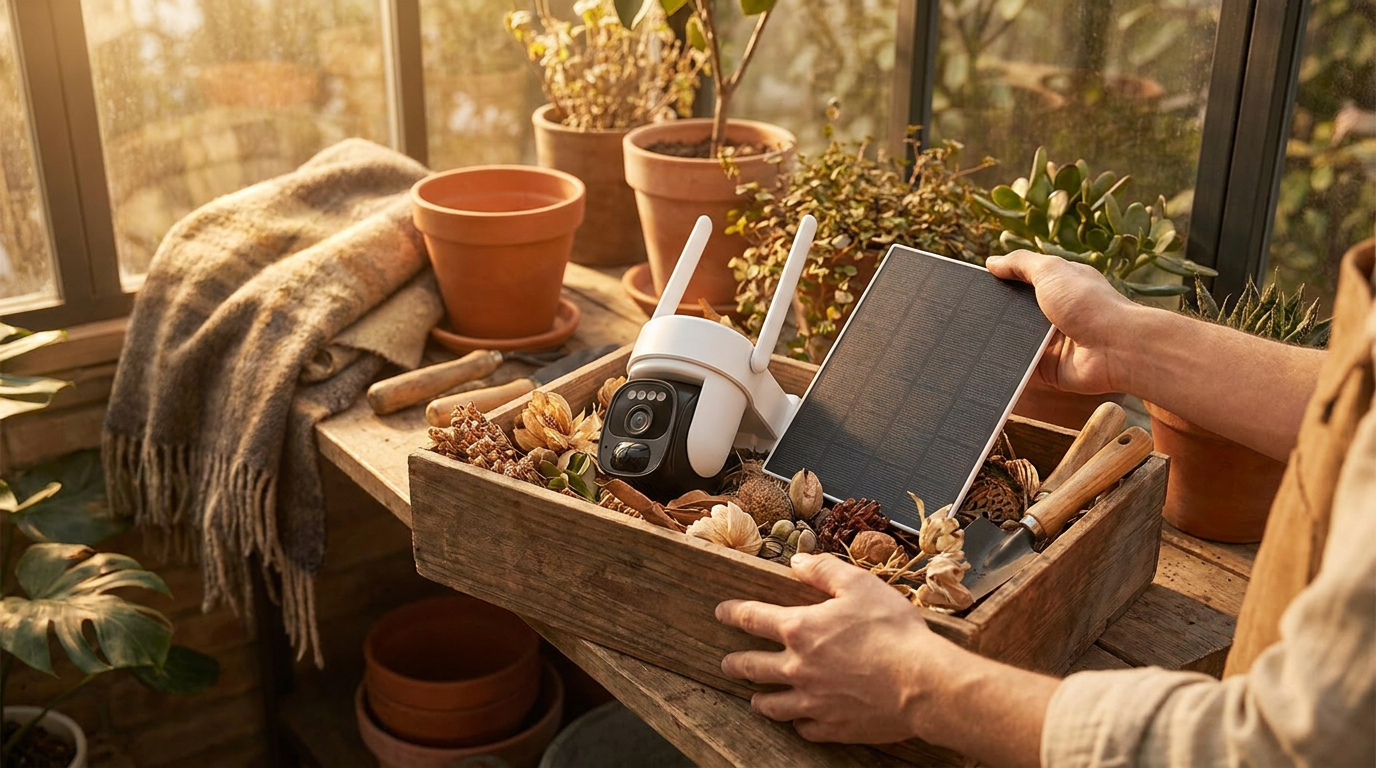
To navigate the current market, think of it as a matrix of three critical dimensions: connectivity, environmental resilience, and energy autonomy. Two axes matter here when assessing hardware: the data transmission method and the power-to-consumption ratio. For users managing a wireless solar powered security camera system, the primary axis is connectivity. While Wi-Fi models are standard for suburban homes, the rise of 4G LTE and no-Wi-Fi solar security cameras—currently seeing high search interest with nearly 10,000 monthly queries—indicates a shift toward protecting remote assets like sheds or construction sites. The second axis is environmental resilience, specifically winter performance. Reddit discussions often highlight the importance of high-efficiency panels that can maintain a charge during low-light months. The third axis is installation flexibility, which determines if a unit is an easy install solar camera for renters or a permanent fixture. Hardware such as the Night Owl 2K battery-solar powered camera exemplifies this balance, utilizing a built-in solar panel and rechargeable battery to provide uninterrupted 2K resolution video and spotlight functionality without requiring hardwired electrical access. Once you see it this way, the complexity of choosing between a standalone unit and a multi-camera kit diminishes. The decision rule: prioritize high-gain 4G connectivity for remote monitoring, but opt for integrated Wi-Fi systems for high-traffic residential zones where local network stability is guaranteed.
Expert tip: When deploying an outdoor motion sensor solar camera wifi, ensure the mounting angle accounts for the 15-degree winter sun tilt to maximize energy intake during the shortest days of the year.
Selecting the right outdoor solar security camera requires matching these technical axes to your specific property layout. By focusing on the intersection of power autonomy and signal strength, homeowners can build a resilient perimeter that functions independently of the local power grid.
Shop Outdoor Solar Security Camera.
Sources

Photo by Isaiah Stilwell on Pexels
- Solar Security Cameras | Wireless Outdoor
- Solar Powered Wire Free 2K Camera with Spotlight and 2- ...
- Best Solar-Powered Security Cameras of 2026