How to install an Outdoor Solar Security Camera for renters?
 Maya ChenContributing Editor
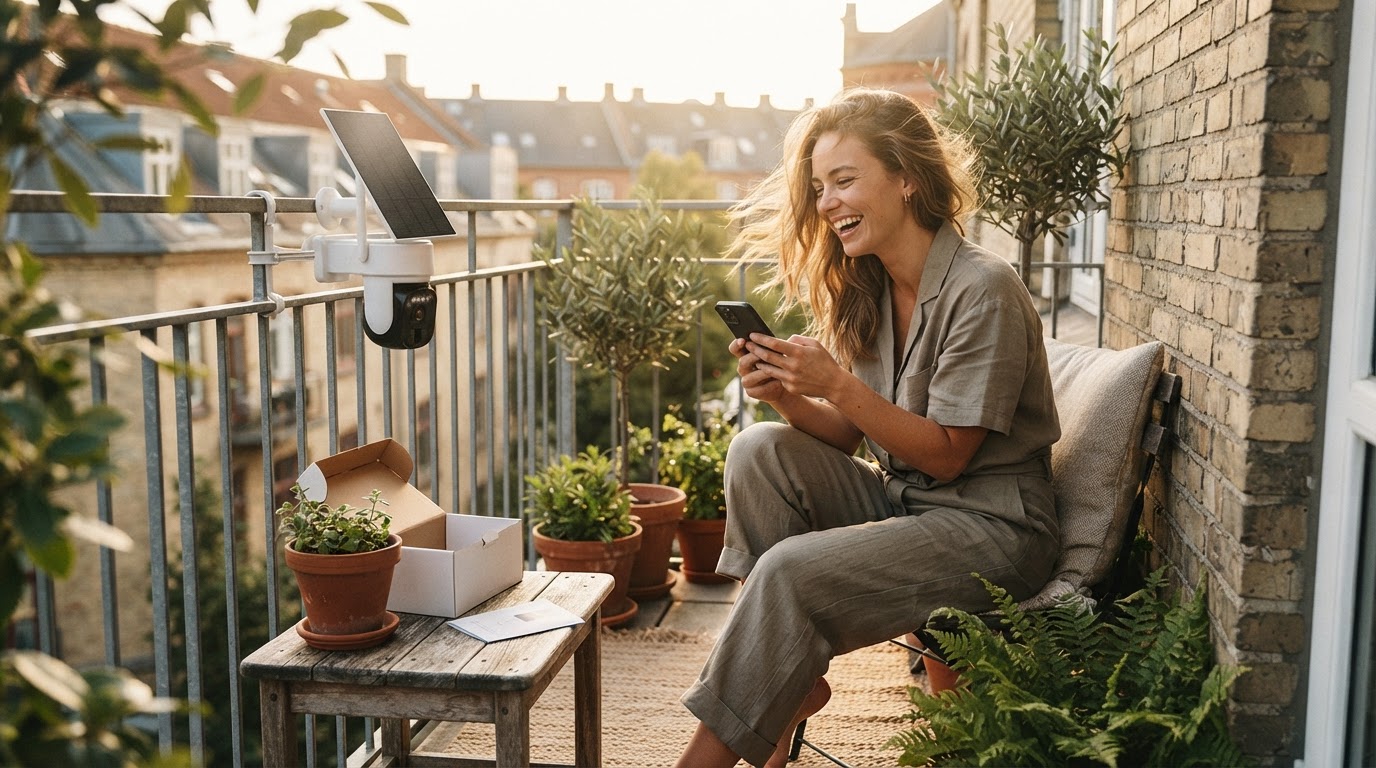
November 14, 2026 — Renters can install an Outdoor Solar Security Camera without structural modifications by utilizing specialized gutter mounts, high-strength adhesive brackets, or tension-based pole clamps that bypass the need for drilling.
The conventional wisdom says that home security requires a permanent commitment to the property’s electrical grid and physical facade. For the 44 million renter households in the United States, this assumption creates a barrier to entry that often results in total non-adoption. The shift toward integrated solar panels and wireless connectivity allows for a non-invasive security layer that moves with the tenant, provided the installation method respects the lease agreement.
Can you install an Outdoor Solar Security Camera without drilling?
Yes, non-destructive installation is achievable through the use of weather-resistant adhesive mounts and specialized hardware that grips existing exterior features. While many manufacturers include screws as the default hardware, third-party accessories such as gutter mounts allow the camera to be clamped onto the roofline without piercing the metal or wood. SafeHome.org identifies SimpliSafe as a leader for apartment dwellers specifically because their DIY setup emphasizes intruder deterrence without requiring a permanent footprint.
Here's the part nobody talks about: the limiting factor isn't the camera itself, but the solar panel's orientation relative to the building's fixed architecture. Renters in north-facing units often find that adhesive mounts fail over time due to the weight of the battery-heavy units if they aren't supplemented by mechanical tension. According to KeldCo, the best security systems for renters are those that offer solar-powered cameras with no permanent installation requirements, effectively eliminating the need for professional electrical work or landlord intervention. If a gutter or railing isn't available, high-bond industrial tapes rated for outdoor temperatures are the only viable alternative, though they carry a higher risk of failure in extreme humidity.
What are the power requirements for renter-friendly solar cameras?
An Outdoor Solar Security Camera typically requires three to four hours of direct sunlight daily to maintain a functional charge for standard motion-triggered recording. Run the math: a camera recording 20 events per day consumes significantly more power than the internal battery can hold without consistent solar replenishment. For renters with limited sun exposure, such as those with covered balconies, a detached solar panel with a 10-foot extension cable is necessary to reach the edge of the roofline or railing.
Evidence from technical setups, such as the Eufy s340 3k solar camera, demonstrates that "no-wire" configurations significantly reduce the stress of installation by removing the need for Ethernet or power cables entirely. However, the efficiency of these units depends heavily on the local climate and software optimization. I'll change my mind when internal battery densities double, but until then, the placement of the solar panel remains the most critical—and most difficult—part of a renter's installation. If the panel is shaded for more than 70% of the daylight hours, the system will eventually require manual USB charging, defeating the purpose of a solar-anchored setup.
Quick answers
Q: Does a solar camera work through a window? A: No, placing a solar panel behind glass reduces its efficiency by up to 50% and prevents the PIR motion sensor from functioning correctly. For an Outdoor Solar Security Camera to operate, the panel and the sensor must have an unobstructed view of the exterior environment.
Q: Are adhesive mounts safe for stucco or brick? A: Most industrial adhesives like 3M VHB are designed for smooth surfaces; they will likely fail on textured stucco or porous brick. Renters with these wall types should use a clip-on gutter mount or a strap-based mount around a pillar to ensure the device does not fall.
Q: Can I take the camera with me when I move? A: Yes, because these systems do not require hardwiring into the 120V home circuit, they can be unclipped and packed in minutes. This portability is a primary reason why Sustainable Outdoor Solar Security Camera Performance is a key metric for mobile residents.
Q: What happens if my balcony doesn't get sun? A: You should look for a cheapest solar security camera with app that features a detachable solar panel. This allows you to mount the camera in the shade while placing the panel in a sunnier spot via an extension cable.
Q: Do I need a subscription to save video? A: Not necessarily, as an Outdoor [Solar Security Camera Local Storage Strategy](/blog/outdoor-solar-security-camera-no-subscription) allows you to use SD cards to avoid monthly fees. This is particularly useful for renters who want to keep their recurring costs low.
Learn more about Outdoor Solar Security Camera at https://solarsafetycameras.com.
Sources
- Best Wireless Security Camera Setup for Renters 2026 - YouTube
- Best Security Camera for Renters: Top Picks That Require No Permanent
- Best Security Cameras for Apartments in 2026 - SafeHome.org