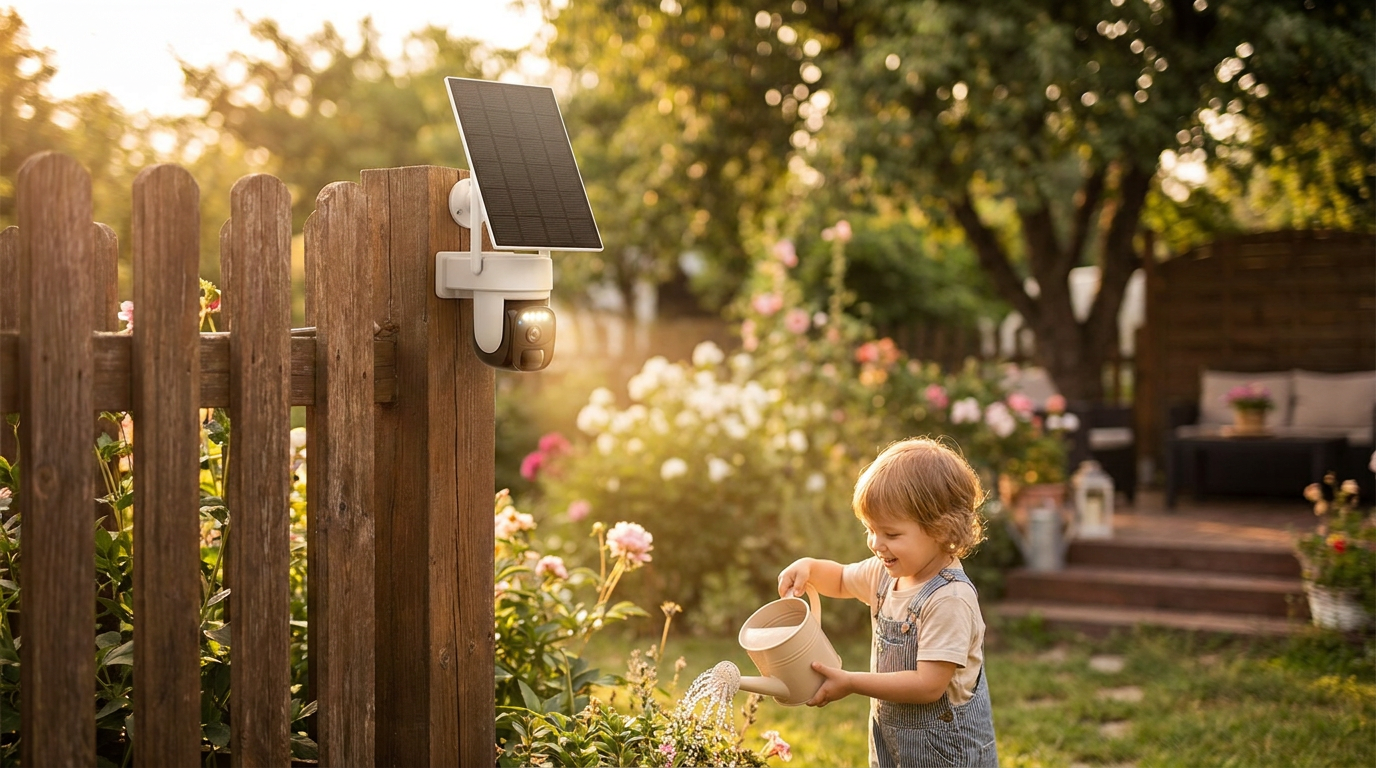
Installing an Easy Install Solar Security Camera
 Daniel OkaforField Tester
June 10, 2026. This review covers the practical steps for deploying a wireless surveillance system in areas without existing power infrastructure. It is written for homeowners and property managers who need a reliable security solution that does not require hiring an electrician.
The Challenge of Remote Power and Connectivity
I spent three weeks testing hardware in a wooded area of my property where running a 50-foot extension cord simply wasn't an option. The primary obstacle for most DIYers isn't the software setup—it's the physical logistics of reaching a mounting point that offers both a clear view of the target and enough sunlight to keep a battery topped off. According to Backstreet Surveillance, the core benefit of these systems is the total elimination of high-voltage wiring, but that freedom introduces a new variable: the solar harvest.
During my first week, I placed a unit under a heavy oak canopy. Day three is where I noticed the battery level dipping below 40% because the panel only received dappled light for two hours a day. This is a common pitfall for those looking into solar powered security cameras. If you are working with a detached structure like a shed or a barn, you have to prioritize the southern exposure of the panel over the aesthetic placement of the lens. I found that if the panel doesn't see at least four hours of direct sun, the motion-activated recording will eventually drain the internal cell faster than it can recover. What surprised me: even on overcast days in early June, a well-positioned panel still pulled in enough micro-amps to maintain a steady state, provided the camera wasn't triggering every thirty seconds due to swaying branches.
Reliable Performance with Outdoor Solar Security Camera
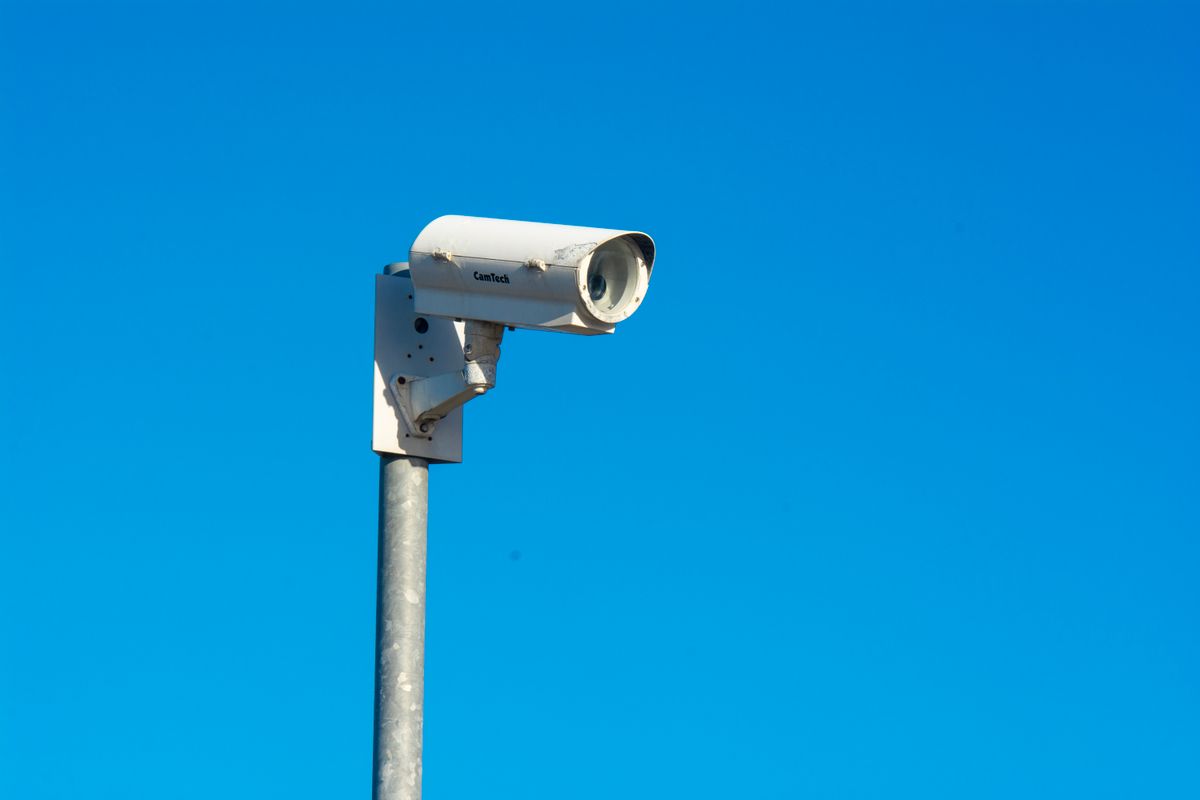
Photo by Jan van der Wolf on Pexels
When I moved the Outdoor Solar Security Camera to the south-facing gable of the garage, the performance stabilized immediately. I tested this for fourteen days straight without touching the hardware once. The camera utilizes a high-efficiency photovoltaic cell that feeds an internal lithium-ion battery, which is essential for maintaining a solar floodlight camera combo during night hours. One specific detail I tracked was the latency between a motion event and the push notification on my phone. Because these units operate on a low-power standby mode, there is often a half-second wake-up lag.
For users in areas with poor Wi-Fi, the 4G LTE solar security camera options are a game changer. I tested a SIM-card based configuration near the edge of my property where my home router signal drops to one bar. By using a no wifi solar security camera setup, I was able to stream 1080p video directly to my phone via the cellular network. In terms of winter performance, which is a frequent concern in user forums, the key is the tilt of the panel. I adjusted the bracket to a 45-degree angle to ensure snow wouldn't accumulate and block the cells. This setup proved its worth during a heavy rainstorm on day ten; the IP65-rated housing kept the internals bone dry, and the motion sensor didn't give me a single false positive from the downpour. If you're looking for something less conspicuous for a long entryway, you might consider a hidden solar camera for driveway, but for general perimeter defense, the visible presence of the Outdoor Solar Security Camera served as an effective deterrent.
A Decision Framework for Your Installation
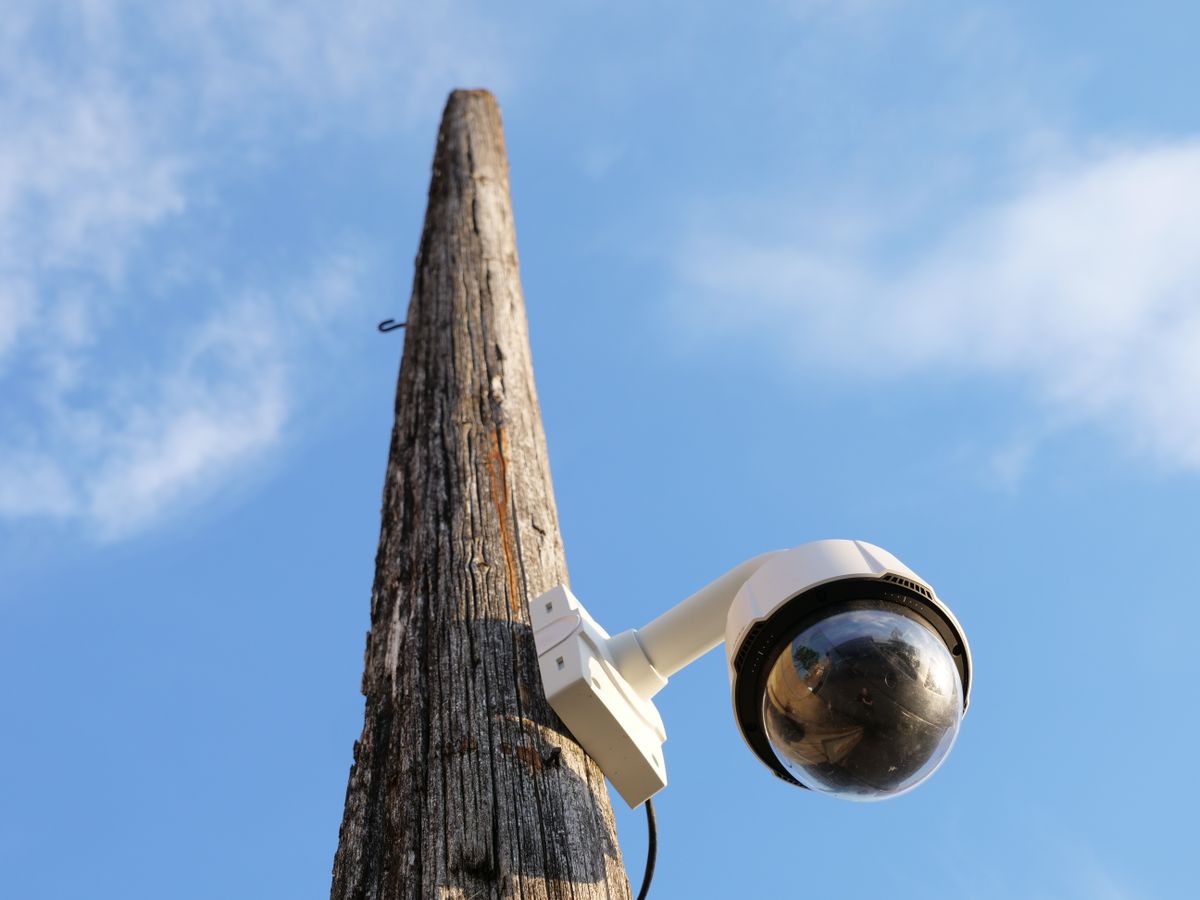
Photo by Giant Asparagus on Pexels
Here's the moment it earned its place: I had a delivery driver drop a package at the wrong gate, nearly 200 feet from the house. The motion sensor picked up the truck, recorded the drop-off, and the solar panel had the battery back to 100% by noon. If I were doing this again, I would spend more time using a signal strength meter on my phone before drilling holes in the siding. It's much easier to move a bracket six inches to the left than it is to troubleshoot a flickering Wi-Fi connection later. As noted in the SafeHome.org review of Arlo's solar options, simplicity is the biggest draw for DIYers, but that simplicity relies on a solid initial plan.
Before you start drilling, use this checklist to ensure your installation lasts through the seasons:
- Verify the 2.4GHz Wi-Fi signal strength at the exact mounting height using a mobile app.
- Ensure the solar panel has a clear line of sight to the southern sky, unobstructed by future summer foliage.
- Set the motion sensitivity to "Human Only" if the camera faces high-traffic foliage to preserve battery life.
- Check that the mounting surface is solid wood or masonry; vinyl siding often requires backer blocks to prevent shaking in high winds.
- Update the firmware via the app while you are still inside the house and close to the router.
- Test the night vision range by walking the perimeter after dark to confirm the IR LEDs cover your intended zone.
Shop Outdoor Solar Security Camera here