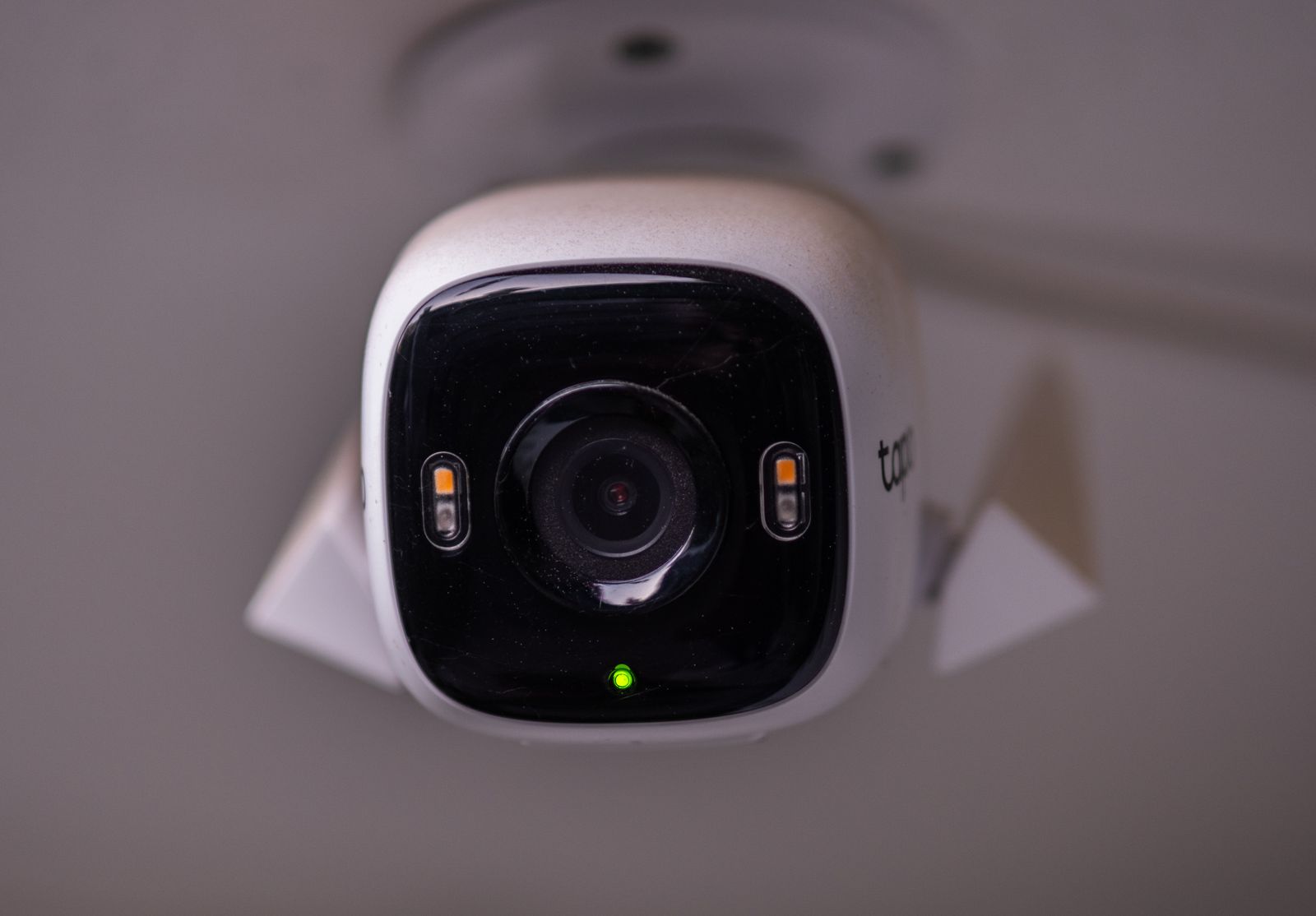
Watching Over an Allotment or Community Garden Plot: A Practical Camera Guide
An allotment or community garden plot can be monitored with a battery-and-solar camera mounted on your own shed, aimed only at your own plot, and connected through a mobile hotspot or SIM-based link because most sites have no mains power and no wireless network. The harder part is not the hardware, it is agreeing the arrangement with the site committee and the plot holders around you before anything goes up. Get that sequence right and the camera becomes uncontroversial.
Shared growing sites are an unusual case. They are semi-public, tightly packed, socially connected, and almost never wired for electricity, which rules out most of the standard advice written for houses.
Why are allotments a difficult place to put a camera?
Four things make a plot different from a back garden.
- No power. There is rarely a socket anywhere on site, so anything installed has to generate and store its own energy. A solar camera solves this without a trench or a cable run.
- No network. A house camera leans on home broadband. On a plot there is nothing to join, which pushes the setup toward a phone hotspot for occasional checks or a mobile data connection for continuous use.
- Close neighbors. Plots are often only a few paces apart, so a wide view almost inevitably includes someone else's ground.
- Shared governance. The site is usually held under a lease or tenancy agreement with rules about structures, and a camera may count as one.
What actually gets taken from a plot?
Photo by Burak Başgöze on Pexels
Losses on growing sites tend to be low value and high nuisance, which shapes what is worth covering.
- Hand tools, spades, forks, and shears left in an unlocked shed
- Strimmers, mowers, and anything with a small engine
- Water butts, hose fittings, and brass or copper taps
- Timber, paving slabs, and bags of compost
- Produce at harvest, taken by the armful rather than the item
- Padlocks and hasps broken for the sake of curiosity
How should permission be handled first?
Do this before buying anything. It takes one conversation and prevents a much harder one later.
Never point a camera into another plot holder's shed, greenhouse, or enclosed structure. Framing that includes someone else's private space is both a rules problem and a neighbor problem.
Where should the camera go on a small plot?
The shed is almost always the answer, because it is the only structure solid enough to hold a bracket and tall enough to see over crops.
- Mount on the gable end or the side that faces the plot entrance, not the door itself, so the view includes anyone approaching the door.
- Keep the panel facing open sky. A shed roof overhang, a fruit tree, or a runner bean frame at full height will all cut charging.
- Frame tight. On a plot, a narrower view that fills the image with your own ground is better in every way than a wide view that catches the site road and three other plots.
- Sit the view low enough to show faces. A camera under the roof line typically reads better than one on a pole.
- Allow for growth. A framing that works in April may be looking at sunflowers in August, which is where remote adjustment earns its place.
How does risk change through the growing year?
Photo by Andrey Matveev on Pexels
| Period | Main exposure | What to watch | |---|---|---| | Late winter | Empty site, few visitors, long nights | Shed door, tools stored over winter | | Spring | New deliveries of compost, timber, and plants | Materials stacked outside | | Early summer | Longer days, more casual visitors | Gate and path traffic | | Harvest | Produce taken by hand | Beds nearest the site road | | Autumn | Site emptying out again, equipment moved | Shed and water fittings |
Two practical consequences follow. First, dark months are when a camera matters most and when solar charging is weakest, so an autumn check of panel position and cleanliness is worth the visit. Second, harvest losses are a daytime problem, and color night vision, useful as it is for the winter half of the year, is not what solves them.
How should the connection be arranged?
There are three workable approaches. A phone hotspot lets a plot holder connect on arrival for a look at recent clips, which suits people who visit several times a week and accept that nothing is live in between. A mobile data connection keeps the camera reachable at all times, which is the right choice for a plot with a valuable shed or a history of losses. A local-storage-only setup records without any network at all and is reviewed on site.
Sites vary enormously in signal, and a plot in a river valley may have almost none. The guide to cameras that work without a home wireless network explains what still functions when there is nothing to connect to, and the remote cabin setup guide covers the same problem on a larger site.
Frequently asked questions
Is a camera on a plot worth it for low-value tools? Often the value is in the deterrent and in knowing rather than in recovery. Plot holders regularly report that the useful outcome was identifying that a gate was being left open, or that losses were happening at a particular time of day, rather than identifying a person.
Can a camera be shared across several plots? It can, and on some sites a jointly agreed camera at the main gate works better than several private ones. That requires the committee to own the arrangement, including who holds the app access and how long footage is kept.
Does two-way audio have a use on an allotment? Speaking through a camera can stop opportunistic picking, though it should be used with care on a site full of neighbors who may simply be walking past. Rules on recording sound differ from rules on recording images in many places, so check locally before enabling it.
What about the greenhouse or polytunnel? Glass and plastic reflect and diffuse light, so a camera pointed through them rarely produces a usable image. Cover the entrance from outside instead.
A practical next step
On the next visit, stand at the plot gate and take a single photo with a phone held at the height a camera would sit on the shed. That photo shows exactly what would be recorded, including anything belonging to a neighbor. If the frame contains only your own ground, the position is right, and the conversation with the committee becomes a short one.
Cover photo by Doğan Alpaslan Demir on Pexels.