Best Weatherproof Solar Security Cameras for Extreme Heat & Heavy Rain: Buying Guide
Imagine a midsummer heatwave in Phoenix where ambient temperatures top 108°F, followed three weeks later by hurricane-season downpours along the Gulf Coast. Standard outdoor security hardware frequently fails in these environments due to battery thermal shutdown, lens fogging, or moisture seepage into non-sealed charging ports.
To survive 100°F+ extreme heat and tropical downpours, select an IP66 or IP67-rated solar PTZ security camera with a high-temperature lithium battery reserve (-4°F to 122°F operating range) and a multi-pack setup to ensure continuous 360-degree property coverage even during multi-day storm events.
Climate-Based Decision Support: Heat Baking vs. Torrential Downpours
Match your camera hardware specifications to your geographical weather threats.
Best choice for
- Solar PTZ Multi-Pack with Detached Solar Panel & Thermal Cutoff — Detached panels allow you to place the camera body under a shaded roof eave while angling the solar panel into full sunlight, keeping internal camera electronics significantly cooler.
- IP66-Rated PTZ Units with Sealed Silicone Port Covers & Hydrophobic Lenses — High-pressure water jets during severe storms require IP66-grade mechanical gaskets and hydrophobic lens glass to prevent droplet refraction during night color recording.
- Do not install single unsealed consumer units without rubber port plugs in high-humidity storm zones.
- Avoid cameras rated below IP65 or those limited to operating temperatures under 110°F if exposed to direct, unshaded sunlight.
- Hardwired IP Cameras — Eliminates solar battery heat degradation, but requires complex wire trenching and loses power during storm-related electrical grid outages.
IP Rating Comparison: IP65 vs. IP66 vs. IP67 for Severe Weather
Photo by Life Of Pix on Pexels
| IP Rating | Dust Protection Level | Water Intrusion Resistance | Real-World Severe Weather Capability |
| --- | --- | --- | --- |
| IP65 | Level 6 (Dust-tight, complete touch protection) | Protected against water jets (6.3 mm nozzle) from any angle | Handles standard rainfall and light lawn sprinklers. May struggle in tropical storms. |
| IP66 | Level 6 (Dust-tight, complete touch protection) | Protected against powerful water jets (12.5 mm nozzle, 100 kPa pressure) | Ideal for torrential downpours, hurricane-season winds, and severe dust storms. |
| IP67 | Level 6 (Dust-tight, complete touch protection) | Protected against temporary immersion (up to 1m depth for 30 minutes) | Overkill for wall mounting, but superior if mounted in areas prone to brief localized flooding. |
Ingress Protection (IP) codes define how effectively an electrical enclosure seals against solids (dust) and liquids (water). Knowing the difference ensures you don't overpay for unnecessary submersible specs or under-protect against driving rain.
Pro Tip: Creating Cable Drip Loops to Prevent Water Siphon Damage
Even the highest-rated IP66 camera can suffer water ingress if installed incorrectly. When connecting a tethered solar panel cable to your camera's USB charging port, water running down the wire can siphon directly into the connection point if the cable angled downwards toward the port.
The Solution: Always form a drip loop. Allow the power cable to drop 2 to 3 inches below the entry port before curving back up to connect. Gravity forces rainwater to drip off the lowest point of the wire loop, completely bypassing the rubber weather seal.
Integrated vs. Tethered Solar Panel Configurations in Harsh Climates
Pros
- Tethered panels allow shade-mounting for the camera housing to reduce internal heat baking by up to 25°F.
- Detached panels can be angled independently toward south/southwest for maximum sun harvest during cloudy seasonal weather.
- Integrated units offer faster 5-minute single-bracket installations without running external wires.
- Integrated camera bodies must sit in direct, unshaded sunlight, accelerating thermal degradation on internal battery cells.
- Tethered configurations require managing an external wire and forming a proper drip loop to maintain seal integrity.
Pre-Storm & Summer Readiness Camera Inspection Checklist
- Inspect silicone charging port plugs to ensure an airtight seal against water jet intrusion.
- Verify cable drip loop curves downward below the port entry to prevent siphoning.
- Tighten PTZ mounting bracket bolts to withstand gale-force gusts up to 50+ mph.
- Check battery enclosure for signs of heat swelling or thermal fatigue after 100°F+ heatwaves.
- Wipe solar panel glass with a microfiber cloth to remove caked mud, pollen, and hard water spots.
- Confirm color night vision spotlight lens is clear of dried rain spots and insect residue.
- Test app-controlled PTZ pan and tilt ranges to ensure motorized gears move smoothly without grinding grit.
Extreme Weather Camera Selection Decision Tree
- Is your primary local weather threat extreme summer heat (100°F+) or tropical torrential rainfall? → Yes: Go to Heat Assessment. No: Go to Downpour Assessment
- Heat Assessment: Can you mount the camera under a shaded roof eave while placing the solar panel in full sun? → Yes: Choose a Tethered PTZ Solar Camera Pack with an IP66 rating and shade-mounted body.. No: Choose a camera with a high thermal cutoff battery (-4°F to 122°F) and aluminum heat dissipation housing.
- Downpour Assessment: Does your region experience driving horizontal rain or hurricane winds over 40 mph? → Yes: Select an IP66 Multi-Pack with reinforced mounting brackets, dual spotlights, and cloud backup.. No: Standard IP65 or IP66 wireless PTZ units will provide dependable year-round coverage.
Top Recommendation: All-Weather Outdoor Solar PTZ Camera Pack
For property owners who want total peace of mind through baking heatwaves and driving rainstorms, multi-camera PTZ solar setups provide the ultimate defensive perimeter.
We strongly recommend installing an Outdoor Solar Security Camera Pack featuring pan-tilt-zoom motorization, wireless WiFi, vivid color night vision, and two-way audio. The multi-pack deployment eliminates blind spots around commercial or residential perimeter fences, while solar power guarantees continuous operation even during grid power failures caused by severe storms.
Protect your home or business today with hardware engineered for real-world resilience: Explore Outdoor Solar Security Camera Packs at SolarSafetyCameras.com.
Featured Hardware: Outdoor Solar Security Camera (Pack)
Below are the key specifications that make this multi-camera system the ideal choice for high-heat and rainy environments across the United States:
Key Takeaways: Essential Rules for Weatherproof Solar Surveillance
- Prioritize IP66 weather sealing over standard IP65 if your area experiences heavy thunderstorms or high wind-driven rain.
- Keep cameras cool by using tethered solar panels whenever possible, mounting the main camera body in ambient shade.
- Always bend a 2-inch downward drip loop into the solar panel power cable before inserting it into the weather-sealed charging port.
- Clean mineral spots and dust off solar glass every 3–6 months to maintain 100% photo-voltaic charging efficiency.
- Deploy multi-packs to cover large residential lots or office perimeters with overlapping PTZ sightlines.
Weatherproof & Thermal Performance Specification Matrix
| Specification Feature | Standard Outdoor Camera | Weatherproof Solar PTZ Camera Pack |
| --- | --- | --- |
| Operating Temperature Range | 14°F to 113°F (-10°C to 45°C) | -4°F to 122°F (-20°C to 50°C) with thermal regulation |
| Ingress Sealing Rating | IP65 (Light water spray) | IP66 (High-pressure water jets & dust storms) |
| Motorized PTZ Joint Sealing | Basic rubber lip seal | Precision dual-gasket seals with dust-repelling grease |
| Lens Coating | Standard optical glass | Hydrophobic & anti-reflective treated glass |
| Power Redundancy | Small battery buffer (1–2 days reserve) | High-capacity lithium storage (4–7 days storm reserve) |
Compare standard consumer outdoor cameras against high-grade climate-resilient PTZ solar cameras across critical environmental metrics.
5 Weatherproofing Mistakes That Cause Camera Failure in Heat and Rain
Avoid these frequent installation mistakes that lead to fogged lenses, dead batteries, or water-logged circuit boards:
Frequently Asked Questions: Extreme Weather Solar Security
How does extreme heat affect solar camera battery lifespan over 2 to 3 years?
Prolonged ambient heat above 100°F accelerates the internal chemical aging of lithium-ion cells, gradually reducing overall energy retention capacity. To maximize battery lifespan, install cameras in shaded eave locations using tethered solar panels, and select hardware with high-thermal-tolerance battery enclosures rated up to 122°F.
Will color night vision still work effectively during heavy downpours?
Yes. Color night vision relies on integrated white LED spotlights that penetrate rainfall effectively. However, heavy rain drops falling close to the lens can refract light back into the sensor. Treating the outer optical glass with a hydrophobic water-repellent coating ensures droplets slide off immediately without obscuring video clarity.
How do I clean dust, mud, and hard water spots off my camera's solar panel after storms?
Use a soft microfiber cloth dampened with distilled water or a 50/50 mixture of distilled water and white vinegar to gently dissolve mineral scale and caked mud. Avoid abrasive sponges, harsh chemical detergents, or dry wiping, which can scratch the glass and reduce photovoltaic efficiency.
What is the best mounting location to shield solar cameras from high gale-force winds?
Mount the camera directly onto solid wood fascia boards, brick walls, or sturdy structural posts using heavy-duty aluminum mounting brackets. Position the unit underneath roof overhangs or soffits to block high-velocity wind loads while allowing the PTZ mechanism full panoramic rotation.
Answers to the most common questions regarding camera performance during severe weather events.
Essential Guidance & Resources
Explore additional technical insights to help optimize your property security setup:
- Proper Panel Alignment: Positioning solar panels at optimal tilt angles based on latitude ensures continuous charging throughout overcast winter and rainy seasons.
- Surface Mounting Comparison: Selecting the correct anchors for vinyl siding, masonry, brick, or steel posts prevents hardware loosening during severe weather storms.
- Multi-Pack Perimeter Strategy: Positioning multiple PTZ cameras around residential or commercial property bounds provides complete 360-degree overlap without blind spots.
Next Steps: Secure Your Property in Any Weather
Your decision: Determine your property's primary climate threat (extreme summer baking vs. high-pressure torrential rainfall).
Do this next: Select an IP66-rated PTZ Outdoor Solar Security Camera Multi-Pack with detached panel mounting capability and silicone port weather-sealing.
Related resource: Review local roof overhang angles and south-facing mounting locations to plan your camera placement before installation.
Check out the Outdoor Solar Security Camera (Pack) with 360° PTZ coverage, Color Night Vision, and IP66 weatherproofing at https://solarsafetycameras.com
Follow these steps to upgrade your perimeter defense with weather-resilient solar surveillance.
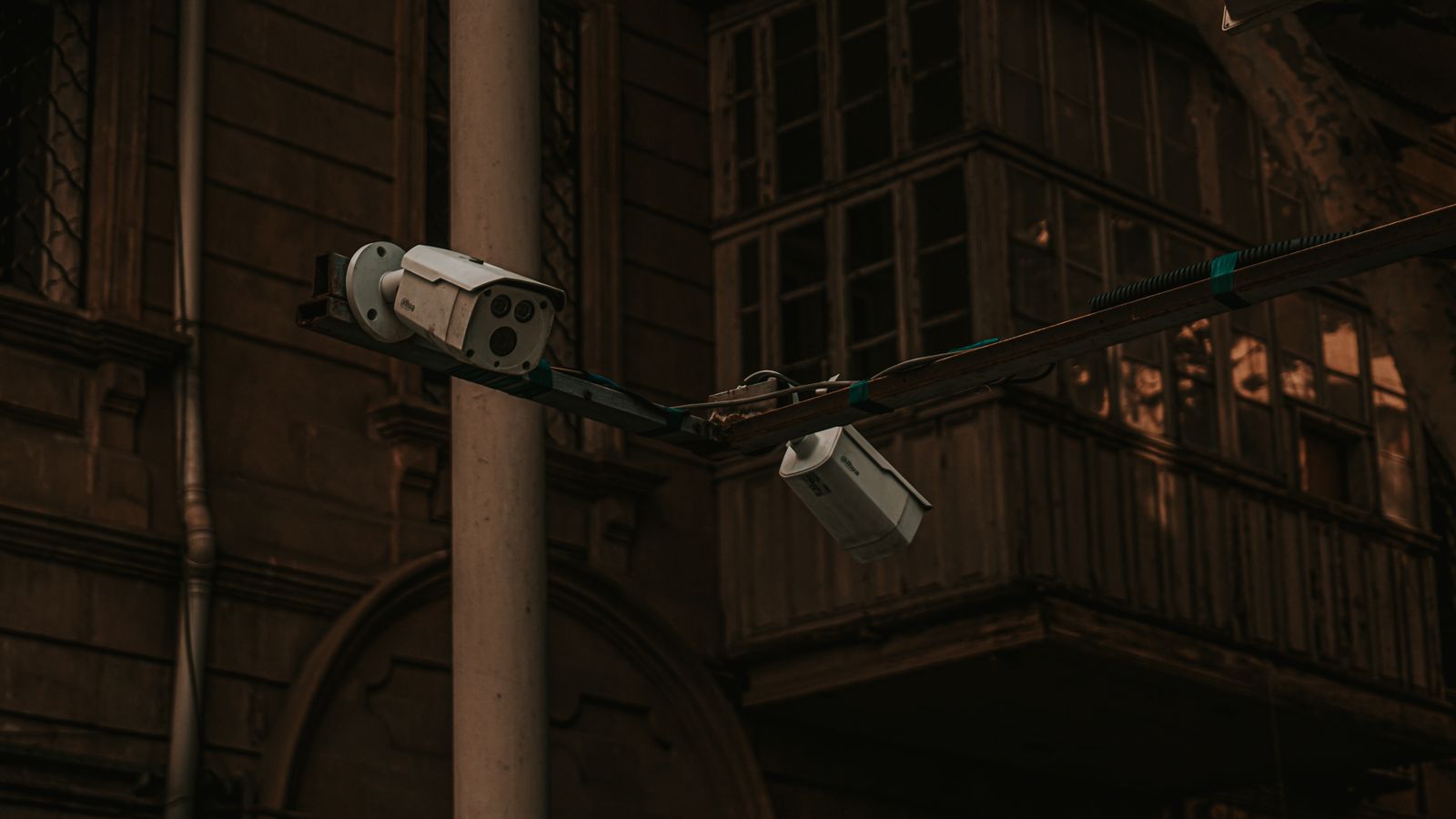
Cover photo by Elmir Jafarov on Pexels.