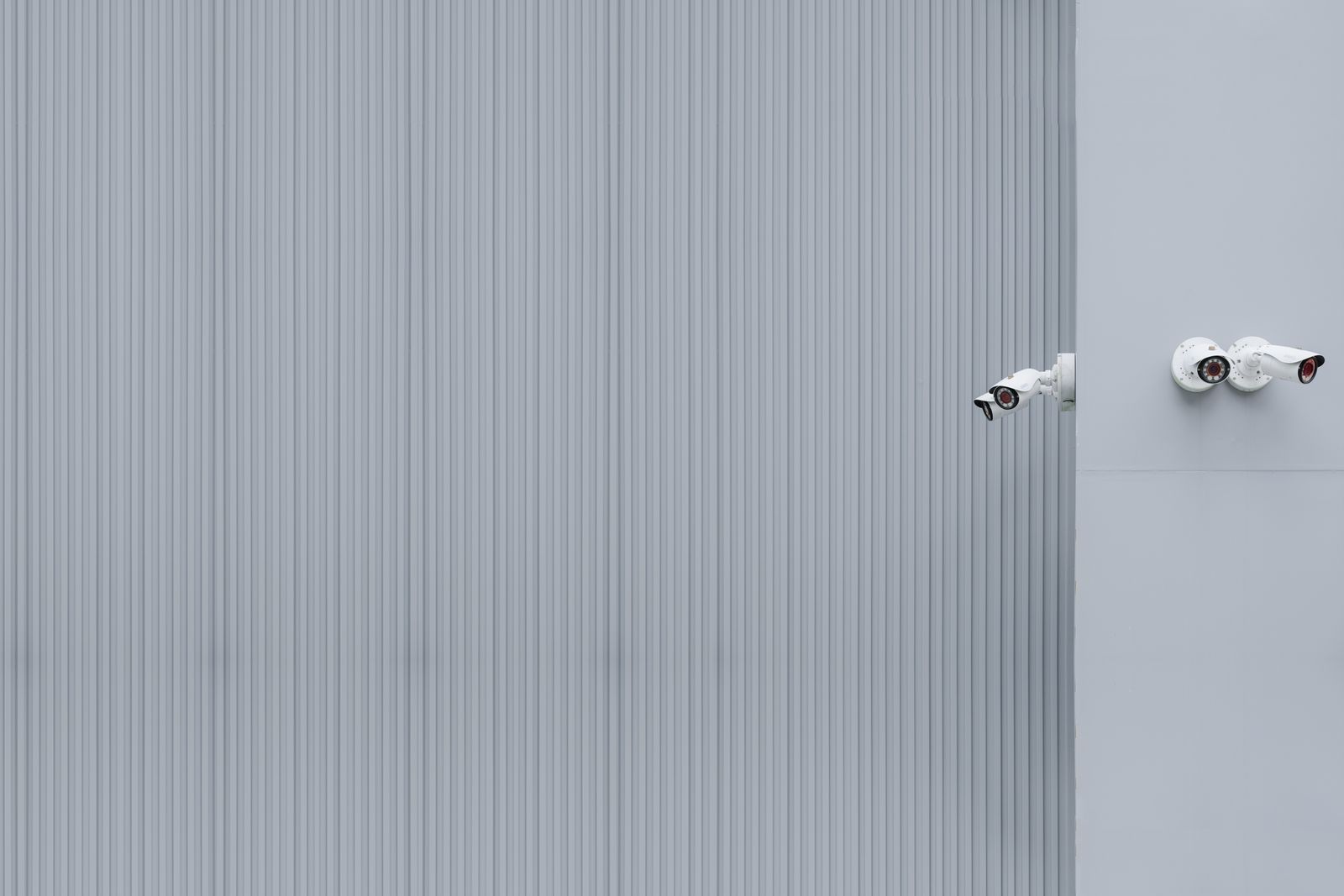
Solar Security Cameras vs. Battery Operated: Continuous Power & Winter Resilience
Should you rely on standalone battery-operated outdoor cameras or invest in continuous solar-powered PTZ cameras? Standard battery cameras regularly suffer from premature drain, sudden winter voltage drops, and security blind spots during battery swaps. Solar security cameras provide uninterrupted 24/7 power, eliminate dangerous ladder climbs, and maintain full active pan-tilt-zoom protection year-round.
Scenario-Based Comparison: Solar vs. Standalone Battery Power
| Deployment Scenario | Standalone Battery Camera Failure Risk | Solar PTZ Camera Performance | Surveillance Uptime Impact |
| --- | --- | --- | --- |
| High-Traffic Entryway (30+ daily motion triggers) | Rapid battery drain within 14-21 days; camera powers down unexpectedly. | Solar panel continuously tops off internal lithium battery during peak daylight. | Solar maintains 100% continuous power; battery model suffers frequent offline downtime. |
| Sub-Zero Winter Cold Snap (-4°F to 20°F) | Battery internal resistance spikes; voltage drops sharply causing instant shutdown. | Trickle-charging maintains active thermal management and prevents deep discharge. | Solar operates reliably through freeze cycles; battery model leaves property unprotected. |
| Elevated Roof Gables & High Mounts (12+ ft) | Requires dangerous ladder climbs every 1 to 3 months for manual USB recharging. | Zero physical intervention; sun exposure provides permanent off-grid operation. | Solar eliminates fall risks entirely; battery model creates routine safety hazards. |
| Extended Homeowner Absence (3-4 week travel) | High event volume or cold weather drains battery mid-trip, leaving property dark. | Daily solar recharge cycle maintains continuous vigilance and cloud uploads. | Solar guarantees peace of mind; battery model risks total surveillance blackout. |
| Active PTZ Sweeps & Color Night Vision | Heavy motorized panning and spot lighting depletes battery capacity in days. | Solar power headroom supports continuous pan-tilt motorized sweeps and dual-LED illumination. | Solar provides 360-degree active defense; battery model forces low-power restrictive modes. |
Compare how solar-powered cameras and standalone battery-operated security cameras perform under real-world stress conditions and common outdoor failure modes.
Architectural Power Comparison: Strengths & Vulnerabilities
Evaluating security equipment requires understanding how each power delivery system handles extreme weather, high motion volume, and long-term hardware degradation.
Expert Safety & Reliability Insight: The Hidden Cost of Height
Mounting outdoor security cameras at 10 to 12 feet is essential for optimal perimeter coverage and preventing vandal tampering. However, installing standalone battery cameras at this height creates an ongoing physical safety hazard. Property owners face 4 to 6 hazardous ladder climbs per camera every year. Solar-powered cameras eliminate this maintenance burden entirely after initial installation.
Camera Power Selection Flowchart
- Does the intended mounting location receive at least 2 hours of direct or ambient daylight? → Yes: Proceed to Question 2. No: Select Standalone Battery Camera (or run hardwired power line).
- Is the camera mounted higher than 8 feet above the ground? → Yes: Select Outdoor Solar PTZ Camera Pack (Eliminate dangerous ladder climbs).. No: Proceed to Question 3
- Do you require 360-degree Pan-Tilt-Zoom, active motion alerts, or color night vision? → Yes: Select Outdoor Solar PTZ Camera Pack (Sustains high-drain security features).. No: Standalone Battery Camera may suffice for low-traffic indoor/covered areas.
Key Takeaways: Power Continuity & Maintenance Elimination
- Failure Mode Protection: Standalone battery cameras frequently fail during winter cold snaps and high-traffic event bursts, whereas solar cameras maintain steady voltage reserves.
- Zero Physical Intervention: Solar panels trickle-charge internal batteries daily, permanently eliminating hazardous ladder climbs and camera removal.
- Full Feature Utilization: Continuous solar harvesting supports motorized PTZ panning, color night vision, two-way audio, and immediate cloud event backup without battery anxiety.
- Multi-Angle Defense: Deploying a solar camera multi-pack ensures total property coverage with unified app controls and zero battery maintenance schedules.
3-Year Maintenance & Physical Effort Comparison
- Months 1 – 3 — Standalone Battery: First routine recharge required (4 ladder climbs). Solar Camera: 0 maintenance; automatic solar trickle charge.
- Months 6 – 12 — Standalone Battery: Winter freeze causes rapid discharge; 8-12 ladder climbs needed. Solar Camera: Clear snow from panel angle if heavy buildup occurs.
- Months 13 – 24 — Standalone Battery: Chemical degradation reduces total runtime by 30%; recharges needed every 3-4 weeks. Solar Camera: Inspect bracket tightness during regular ground-level sweep.
- Months 25 – 36 — Standalone Battery: Cumulative 48+ ladder climbs executed; camera offline for approx 150 total charging hours. Solar Camera: Sustained 98%+ continuous power uptime with zero battery swaps.
Technical Specification & Environmental Resistance Matrix
| Technical Parameter | Standalone Battery Camera | Outdoor Solar PTZ Camera Pack |
| --- | --- | --- |
| Primary Power Source | Internal 5200mAh - 9600mAh Rechargeable Battery | High-Efficiency Monocrystalline Solar Panel + Internal Lithium Buffer |
| Operating Temperature Range | 14°F to 113°F (-10°C to 45°C) | -4°F to 122°F (-20°C to 50°C) with low-temp thermal protection |
| Annual Physical Recharges | 4 to 8 times per year (requires camera unmounting) | 0 times per year (self-charging loop) |
| Pan-Tilt-Zoom (PTZ) Support | Rare / Heavily Restricted (drains power rapidly) | Full Motorized 355° Pan / 90° Tilt App Control |
| Night Vision Technology | Standard Black & White Infrared (low LED draw) | Dual-Mode Color Night Vision with White Light Floodlights |
| Weatherproofing Rating | IP65 Standard Plastic Housing | IP66 Weather-Sealed Weather-Proof Enclosure |
| Connectivity & Storage | 2.4 GHz WiFi / Cloud / MicroSD | 2.4 GHz WiFi / Secure Cloud Storage / Local MicroSD Backup |
A side-by-side engineering breakdown of power delivery, cold-weather limits, and feature support.
Decision Support Guide: Evaluating Your Security Needs

Photo by Jessica Lewis 🦋 thepaintedsquare on Pexels
Solar security cameras are the definitive choice for outdoor perimeter surveillance where high reliability, motorized PTZ coverage, and zero routine ladder maintenance are required.
Best choice for
- Outdoor Solar PTZ Camera Pack — Provides 360-degree panning, continuous power charging, color night vision, and zero maintenance at heights.
- Outdoor Solar PTZ Camera Pack — Handles heavy daily vehicle motion activity without battery depletion, uploading footage directly to cloud storage.
- Avoid standalone battery cameras for high-traffic zones or locations higher than 8 feet where manual removal creates ladder safety hazards.
- Avoid solar cameras in fully enclosed, windowless indoor spaces without natural daylight exposure.
- Hardwired AC Security Cameras — Best for absolute constant 24/7 continuous stream recording, but requires hiring an electrician to run outdoor conduit wire.
Recommended Solution: Outdoor Solar PTZ Security Camera Pack
For comprehensive outdoor surveillance that eliminates battery maintenance and cold-weather downtime, our solar-powered multi-pack delivers continuous protection.
Real-World Performance Scenarios & Failure Mode Analysis
Scenario A: 7-Day Overcast Winter Storm — Standalone battery cameras experience severe capacity degradation as sub-zero temperatures combine with constant motion triggers, leading to premature shutdown on day 3. Solar cameras utilize large internal battery reservoirs while harvesting ambient ultraviolet daylight, maintaining core surveillance functions throughout the storm.
Scenario B: Commercial Delivery Zone with High Motion Traffic — A camera monitoring a busy loading zone triggers 50+ times per day. Standalone battery units drain within 10 to 14 days, creating frequent blind spots during recharges. Solar PTZ cameras absorb sufficient daily solar energy during operating hours to easily balance high motion recording demands.
Scenario C: Nighttime Intruder Detection at Property Boundary — Standard battery cameras restrict spotlight usage to conserve battery power, capturing grainy black-and-white infrared footage. Solar PTZ cameras engage bright dual-LED floodlights upon motion detection, illuminating suspects in full color while recording detailed facial features and vehicle license plates.
Examining how solar and standalone battery cameras perform when subjected to common real-world stressors.
The Fundamental Vulnerability of Standalone Battery Cameras
Wireless outdoor security cameras revolutionized home defense by eliminating the need to run electrical conduit through exterior walls. However, standalone battery-powered models introduced a critical operational bottleneck: finite energy reserves.
When a standard battery-operated camera is installed outdoors, its runtime is entirely dependent on the total mAh capacity of its chemical cells. Manufacturers typically advertise battery lifespans of 3 to 6 months. However, these figures are based on ideal laboratory conditions—typically just 5 to 10 short motion events per day in moderate 70°F weather.
In real-world security environments, daily motion activity is significantly higher. Passing vehicles, pets, rustling tree branches, and family activity trigger dozens of events daily. Under high-traffic conditions, standard lithium-ion batteries deplete within two to four weeks.
The Impact of Sub-Zero Temperatures on Security Uptime
Winter weather poses the single greatest threat to battery-operated surveillance equipment. Lithium-ion chemistry relies on liquid electrolytes to transfer ions between electrodes. As temperatures drop below freezing (32°F / 0°C), internal chemical resistance increases exponentially.
This electro-chemical slowdown causes three distinct failure modes in standalone battery cameras:
Solar security cameras overcome these limitations through continuous energy management. Integrated high-efficiency monocrystalline solar panels deliver a steady trickle charge during daylight hours. This daily replenishment prevents the internal battery from dropping into dangerous deep-discharge states, keeping the cells warm during charging cycles and maintaining steady voltage reserves even through sub-zero nights.
Pan-Tilt-Zoom (PTZ) Mechanics & Energy Consumption
Fixed-lens security cameras leave severe blind spots around property perimeters. Motorized Pan-Tilt-Zoom (PTZ) cameras solve this problem by allowing property owners to remotely pan 355 degrees horizontally and tilt 90 degrees vertically, effectively replacing three or four fixed cameras with a single optical unit.
However, motorized mechanical gears and dual-lens sensors require significantly more power than passive fixed lenses. Running PTZ movements on a standalone battery camera causes rapid discharge, forcing manufacturers to strip PTZ functionality from non-solar battery models.
Solar-powered PTZ cameras leverage continuous energy harvesting to supply the electric motors required for smooth panning and tilting. This power headroom allows users to actively track movement across driveways, backyards, and business entries without worrying about battery drain.
Comprehensive Financial & Labor Breakdown
While standalone battery cameras may carry a slightly lower initial purchase price, their total cost of ownership rapidly overtakes solar systems when evaluating labor, spare parts, and downtime risks over a three-year operational lifespan.
- Ladder Safety & Labor Hours: Recharging a standalone battery camera requires setting up an extension ladder, unmounting the camera, carrying it indoors, plugging it into a USB charger for 4 to 8 hours, and remounting/re-aiming the lens. Performing this process 4 to 6 times per year across four camera locations equals 16 to 24 hazardous ladder climbs annually.
- Security Blind Spots: During the 8-hour recharge window, the property is left completely unmonitored. Over three years, standalone battery cameras accrue over 100 hours of security blackout time.
- Battery Replacement Costs: Lithium-ion cells degrade after 300-500 charge cycles. Standalone batteries subjected to frequent deep discharges in cold weather often fail within 18-24 months, requiring costly replacement packs.
Related Resources & Security Guides
Explore additional guides to optimize your outdoor solar surveillance system:
- Learn how to position your solar panels for maximum year-round energy harvest during winter months.
- Compare color night vision technology against traditional infrared security systems for perimeter defense.
- Understand encrypted cloud storage options versus local MicroSD card security backups.
Frequently Asked Questions
Get clear answers to common questions regarding solar camera power performance, winter charging, and installation safety.
Immediate Next Steps for Uninterrupted Property Security
Your decision: Determine whether your mounting spots receive at least 2 to 3 hours of direct or ambient daylight to support zero-maintenance solar power.
Do this next: Opt for a multi-pack Outdoor Solar PTZ Security Camera system to ensure continuous 360-degree property protection without ladder climbing or battery swaps.
Related resource: Review our Outdoor Solar Panel Angle & Placement Checklist for optimized year-round charging performance.Protect your property with continuous, zero-maintenance power. Explore our Outdoor Solar Security Camera (Pack) featuring 360-degree PTZ controls, color night vision, two-way audio, and cloud backup today.
Take action today to secure your property with continuous solar-powered security and eliminate ladder battery maintenance forever.