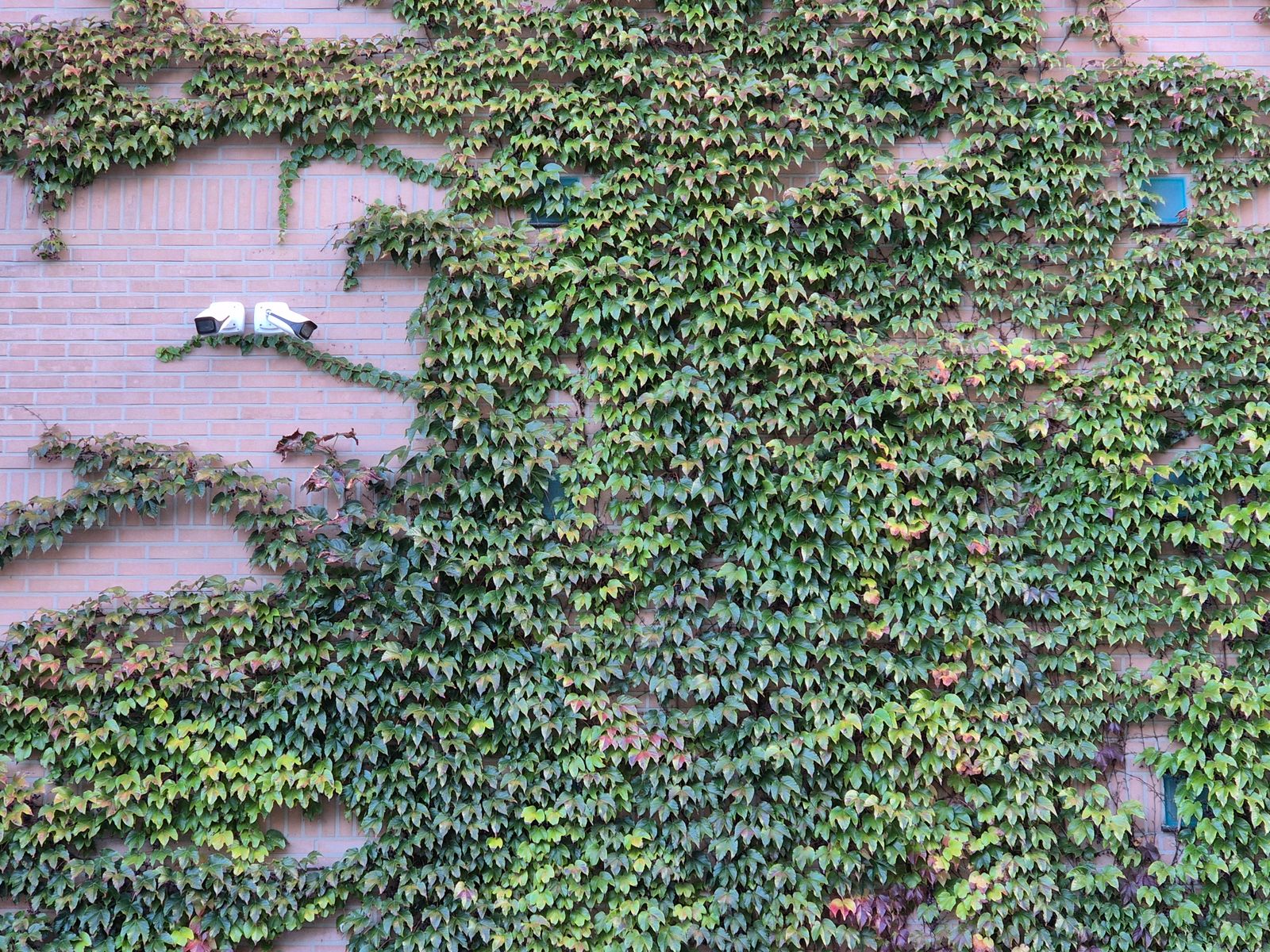
Do Security Camera Signs and Stickers Actually Deter Anyone?
A sign works when it is credible, specific, and placed where someone is still deciding whether to continue. A sticker on a back door that nobody sees until they are already there does almost nothing; a clear notice at the gate, with a visible camera behind it, changes the calculation before anyone commits. Signage is not a substitute for a camera — it is the part that makes the camera do work before an incident rather than after one.
What deterrence actually depends on
Opportunistic crime turns on three judgments made quickly: how likely is it that I will be identified, how much effort will this take, and how long will I be exposed. A sign only affects the first, and only if it is believable.
That is why the credible-notice-plus-visible-camera combination outperforms either alone. The sign supplies the claim; the camera supplies the proof. A notice with no camera anywhere in sight reads as bluff, and people who target property are, as a group, well practiced at spotting bluffs. The reverse — a well-positioned camera with no notice — still works, but it does its work after the event rather than before it. The general case for visible outdoor coverage is set out in why an outdoor camera earns its place.
The important limit: none of this deters someone determined and specific in their targeting. Deterrence measures displace opportunistic activity. They do not make a property immune, and any plan that treats a sign as the security measure is misreading what it does.
Where signage belongs
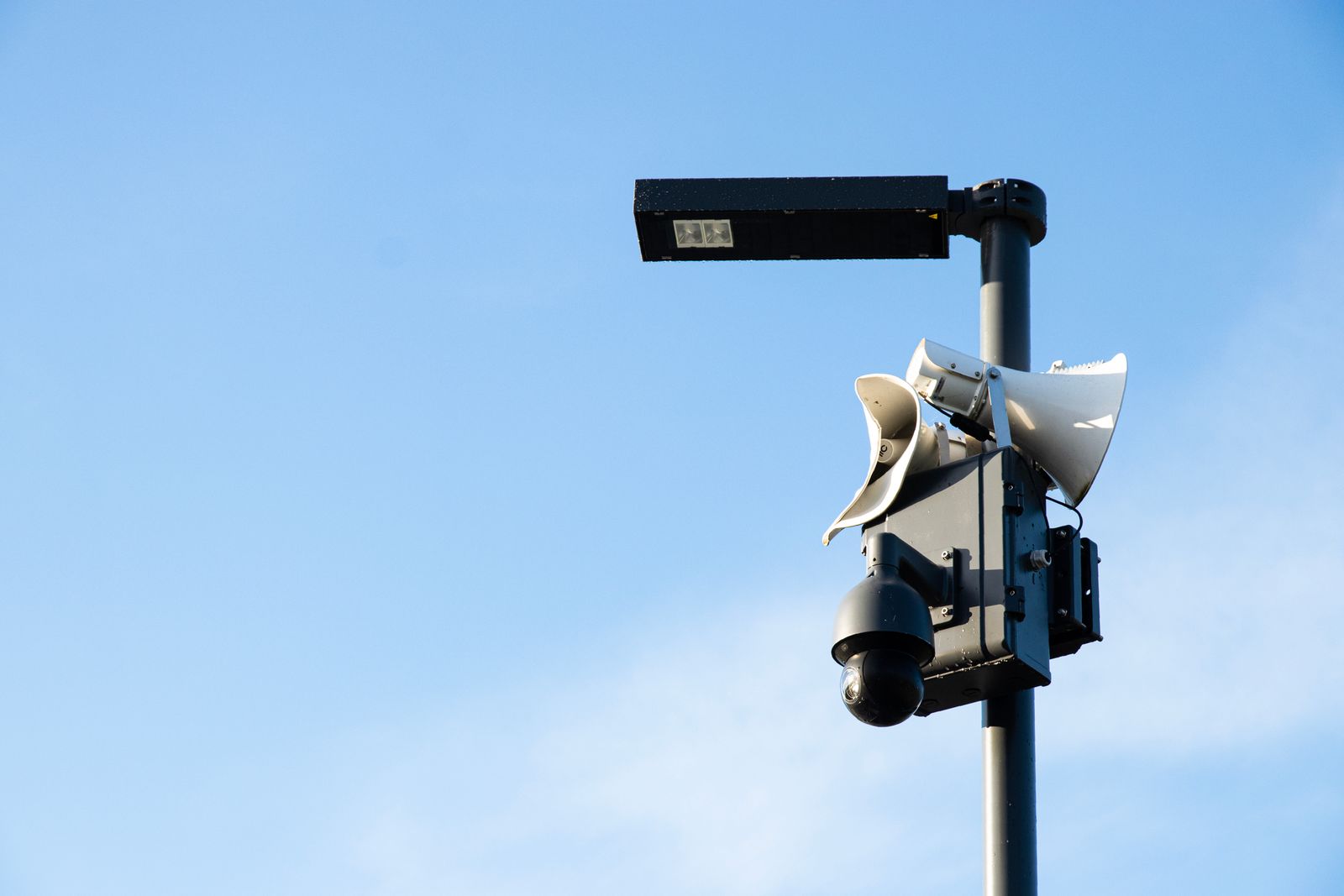
Photo by Lauma Beļska on Pexels
| Position | Effect | Notes | |---|---|---| | At the gate, lane, or property entrance | Strongest | The decision point; someone can still walk on without commitment | | At the boundary of a shared driveway or side access | Strong | Covers the route people actually use to approach unseen | | At the front door | Moderate | Reinforces, but the decision is largely made by then | | On a shed, garage, or outbuilding door | Moderate | Useful because outbuildings are common targets | | On the camera housing itself | Weak | Only seen by someone already at the camera | | Rear windows and back fence | Underrated | This is where unseen access is attempted; usually the least signed part of a property |
The pattern most properties get wrong is over-signing the front and under-signing the back. Front doors are already the most observed part of a property. The side gate, the alley fence, and the rear boundary are where opportunistic entry is considered, and they are where a notice has the most to do.
What to put on a sign, and what to leave off
Keep it plain and current:
- Say that the area is under video surveillance, in the local language and in plain wording.
- Say that recording is continuous or around the clock, if it is.
- If audio is being recorded, say so — this is required in some places and is good practice everywhere.
- For a business, add whatever local law requires: an operator name, contact details, or purpose statement are commonly expected.
- Keep it legible at a glance from ten or fifteen feet. A dense paragraph is not read.
- The camera brand or model. It tells anyone reading exactly what they are dealing with and what its limits are.
- Your network name. It appears on more signs and boxes than people realize.
- Any claim you cannot back. "Monitored 24/7 by security staff" is a bluff if nobody is monitoring, and bluffs undermine the rest of the notice.
- Anything revealing occupancy patterns. Notes for couriers that say when the house is empty, or that nobody is home during the day, hand over the one fact you least want known.
- Faded, cracked, or sun-bleached signs. A weathered sign suggests a system installed years ago and possibly abandoned. Replace them.
Signs, dummy cameras, and the real thing
| Approach | Deters | Produces evidence | Risk | |---|---|---|---| | Notice only | Somewhat, if credible | No | Reads as bluff if no camera is visible | | Dummy camera only | Briefly | No | Recognizable to anyone experienced; nothing recorded when it fails | | Real visible camera, no notice | Yes | Yes | Loses the pre-commitment deterrent | | Real visible camera plus notice at the entrance | Strongest | Yes | Visible unit is the one targeted first | | Visible camera and notice, plus a discreet second camera | Strongest | Yes, resilient | Requires two positions and a little planning |
The last row is the arrangement worth building toward on any property where loss would actually hurt. The visible camera and the notice do the deterring; a second, less conspicuous unit records anyone who defeats the first. Placement thinking for the discreet half is covered in the guide to low-profile camera positioning.
Dummy cameras deserve one specific warning. They are cheap and they occasionally work, but they produce nothing when tested, they are identifiable to people who have seen a few, and they create false confidence in the owner — which is the real cost. A single real camera in a good position beats three fakes in obvious ones.
Notice requirements are a legal question, not just a tactical one
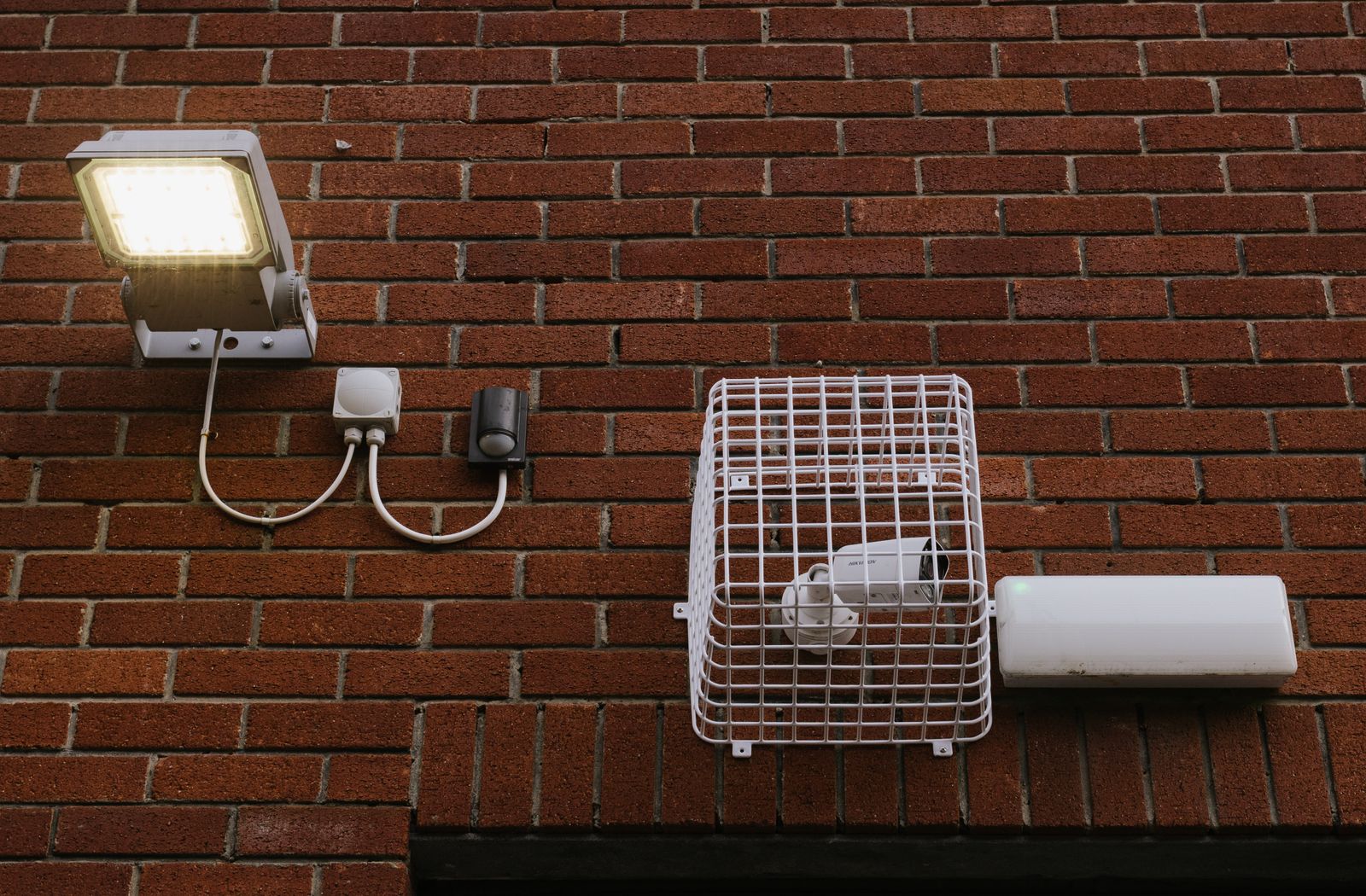
Photo by Ellie Burgin on Pexels
In many jurisdictions a business is expected or required to display notice that recording takes place, and the requirements can extend to who operates the system and how to contact them. Residential rules are usually looser for cameras covering your own property, but audio recording is frequently treated more strictly than video, and rules differ by state, province, and country.
Check the local position before finalizing the wording, especially if you record audio or if the property is commercial. Keep camera views within your own property line and never point a camera into a neighbor's home or enclosed yard. Where several people need to review footage at a small commercial site, the access side of that is covered in the notes on remote access for a shop or office.
A layered deterrence check
- One clear notice at the main entrance, positioned to be read before someone commits.
- One at the least visible access point — the side gate, alley, or rear boundary.
- A visible camera within sight of each notice, so the claim is verifiable.
- Nothing on any sign that names your equipment, your network, or your schedule.
- Lighting at the approach, since darkness is what opportunistic activity relies on.
- A quick check twice a year that the signs are still legible and the cameras still point where the signs imply.
FAQ
Do camera stickers on windows help? At the front, marginally — the decision is already made by the time someone reads a window sticker. The same sticker on a side gate or rear access, where people evaluate whether to continue, does considerably more.
Is a sign without a camera worth putting up? It is better than nothing and cheaper than anything, but treat it as the weakest option. It deters the least committed only, it records nothing when it fails, and if it is obviously unsupported it undermines any real measures you add later.
Should the notice name the camera brand? No. Naming the equipment tells a reader what they are dealing with and lets them look up its limitations. Say that the area is recorded; say nothing about what is doing the recording.
Does two-way audio add to deterrence? Being able to speak to someone the moment they approach ends a lot of casual activity, because it proves in one sentence that a person is actually watching. It is a response tool rather than a passive deterrent, and audio recording rules vary by location, so check what applies before relying on it.
Next step
Walk the least visible approach to your property, stop at the point where a stranger would decide whether to keep going, and see whether there is a notice and a visible camera from that spot. If either is missing, that is the position to fix first — before adding anything to the front of the house.
Cover photo by Pauline W on Pexels.