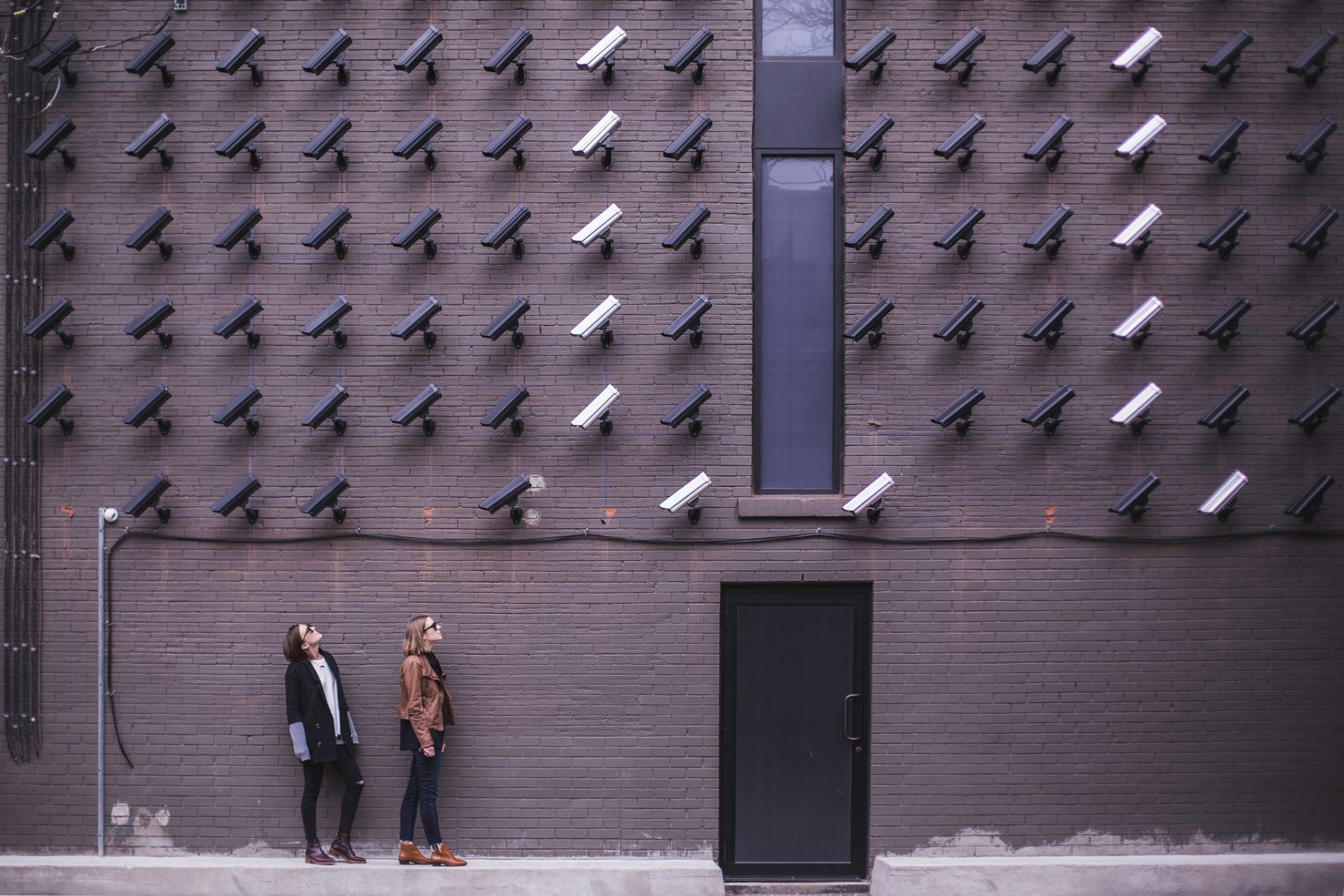
PTZ vs Fixed Security Cameras for Perimeter Defense: Eliminating Blind Spots
Should you rely on a single PTZ camera to sweep your perimeter, or install multiple fixed cameras across your boundary line? A single PTZ camera creates a critical vulnerability known as The Blind Spot Paradox—when it pans away to track an event, it leaves remaining entry points unmonitored. For complete, zero-blind-spot perimeter defense, the most effective setup is a multi-pack array of outdoor solar PTZ cameras programmed with overlapping fields of view, combining dynamic auto-tracking with uninterrupted border coverage.
PTZ vs. Fixed Camera Perimeter Performance & Failure Modes
| Perimeter Scenario | Fixed Camera Performance & Failure Mode | Single PTZ Camera Performance & Failure Mode | Multi-Pack Solar PTZ (Recommended) |
| --- | --- | --- | --- |
| Active Intrusion at Secondary Gate | Fails if target moves outside static lens FOV angle. Lens remains locked on primary path. | Pans to intruder, but creates full blind spot at front entry while turned away ('Blind Spot Paradox'). | Secondary camera maintains static guard while primary camera tracks the intruder across the boundary. |
| Pitch-Black Perimeter Surveillance | Relies on fixed infrared illumination; limited to narrow beam angle. | Tracks target actively, but infrared beam may lag behind rapid pan movement. | Color night vision spotlights automatically illuminate moving targets across active scanning arcs. |
| High-Wind / Foliage Motion Events | Triggers repetitive false alerts across static frame without tracking. | Auto-tracking may lock onto swaying tree branches, leading to battery drain if unconfigured. | Dual-PIR thermal sensors filter background motion, activating motorized pan only for human thermal signatures. |
| Long Linear Property Boundary (>100 ft) | Requires 3 to 4 static cameras mounted sequentially to cover linear distance. | Sweeps 360-degree radius dynamically, but temporary vision gaps occur during scan rotation. | Two corner-mounted solar PTZ units sweep overlapping 180-degree arcs for total boundary visibility. |
Evaluating how Pan-Tilt-Zoom and static fixed cameras perform across real-world perimeter security scenarios, highlighting primary operational failure modes.
Pros and Cons: Active PTZ Scanning vs. Passive Fixed Coverage

Photo by Masood Aslami on Pexels
Understanding the operational tradeoffs between active motorized tracking and static monitoring is critical when securing open outdoor boundaries.
Security Professional's Insight: Overcoming the Blind Spot Paradox
> Expert Tip: Never rely on a single PTZ camera to protect an entire fence line or long driveway. In physical security, we call a standalone PTZ camera 'the unguided missile'—it tracks one subject masterfully, but leaves every other access point wide open while panned 180 degrees away. Always configure an automated Home Return Timer set to 30 seconds inside your camera app, ensuring the camera resets to your highest-risk entry point immediately after motion tracking concludes.
Critical Perimeter Defense Failures: Placement & Configuration Errors
Avoid these frequent mistakes when deploying outdoor surveillance cameras along property lines:
Perimeter Defense Camera Selection Decision Tree
- Is your monitoring target a single, narrow entry point (e.g., side pedestrian gate)? → Yes: Fixed Camera Array (Dedicated static monitoring of single focal point).. No: Proceed to Perimeter Length Check.
- Is your total perimeter boundary longer than 100 linear feet or multi-angled? → Yes: Proceed to Power Source Assessment.. No: Single PTZ Camera with automated Home Return timer enabled.
- Is running AC power wires to fence lines cost-prohibitive or physically impossible? → Yes: Multi-Pack Outdoor Solar PTZ Cameras (Provides wireless installation with overlapping wide-angle pan coverage).. No: Hardwired Multi-PTZ or Hybrid Fixed/PTZ System.
Action Plan: Securing Your Property Line
Your decision: Determine whether static point monitoring or dynamic multi-angle pan tracking best fits your property boundary layout.
Do this next: Conduct a nighttime perimeter lighting audit, measure fence line distances, and deploy a multi-pack solar PTZ system to establish overlapping coverage zones.
Related resource: Perimeter Mapping & High-Risk Entry Point Defense Strategy Guide
Outdoor Solar Security Camera (Pack)
Take these tactical steps to eliminate surveillance blind spots across your boundary line:
Key Takeaways: Mastering Perimeter Surveillance
- Fixed cameras offer dependable, 24/7 uncompromised monitoring of dedicated focal points like gates and doorways.
- PTZ cameras deliver expansive coverage and active intruder tracking, but leave transient blind spots while panned away.
- The Blind Spot Paradox is solved by deploying multi-pack solar PTZ systems with overlapping scanning zones.
- Solar power eliminates expensive trenching and wiring along remote fence lines, driveways, and outer perimeter walls.
- Color night vision spotlights combined with dual-PIR motion detection ensure actionable, full-color evidence after dark.
Motion Trigger to Automated Pan-Tilt Tracking Sequence
This operational workflow illustrates how smart solar PTZ cameras detect perimeter events, track targets, and automatically return to home defense positions.
Troubleshooting Common Perimeter Surveillance Gaps
| Perimeter Issue | Root Cause | Diagnostic Step | Operational Solution |
| --- | --- | --- | --- |
| PTZ camera stays panned away from driveway after motion event | Automated 'Home Return' timer disabled or unconfigured in mobile app | Check device settings under PTZ Guard / Preset Parameters in mobile app | Enable 'Auto Home Return' and set duration timer to 30 seconds post-detection |
| Battery depletes rapidly on outdoor solar PTZ unit | Continuous motion tracking triggered by swaying branches or high-frequency guard tour sweeping | Review motion alert log history to identify trigger event timestamps | Reduce PIR motion sensitivity, set specific detection zones, and replace non-stop sweeping with motion-only pan triggers |
| Intruders slip past corner camera without triggering alerts | Camera mounted too high or PIR sensor blind spot directly beneath mounting bracket | Walk-test perimeter line while observing live app motion indicators | Lower mounting height to 8-10 feet and tilt camera lens downward slightly, or add an overlapping adjacent unit |
| Nighttime video appears washed out or blurry during panning | Spotlights reflecting off near-field foliage or fence posts during motor rotation | Inspect camera panning arc for physical obstructions within 3 feet of lens | Trim back overhanging foliage and adjust pan limit boundaries inside app settings |
Solutions for technical and operational issues encountered when setting up outdoor perimeter defense.
Buying Advice: Tailoring Surveillance to Your Property Type
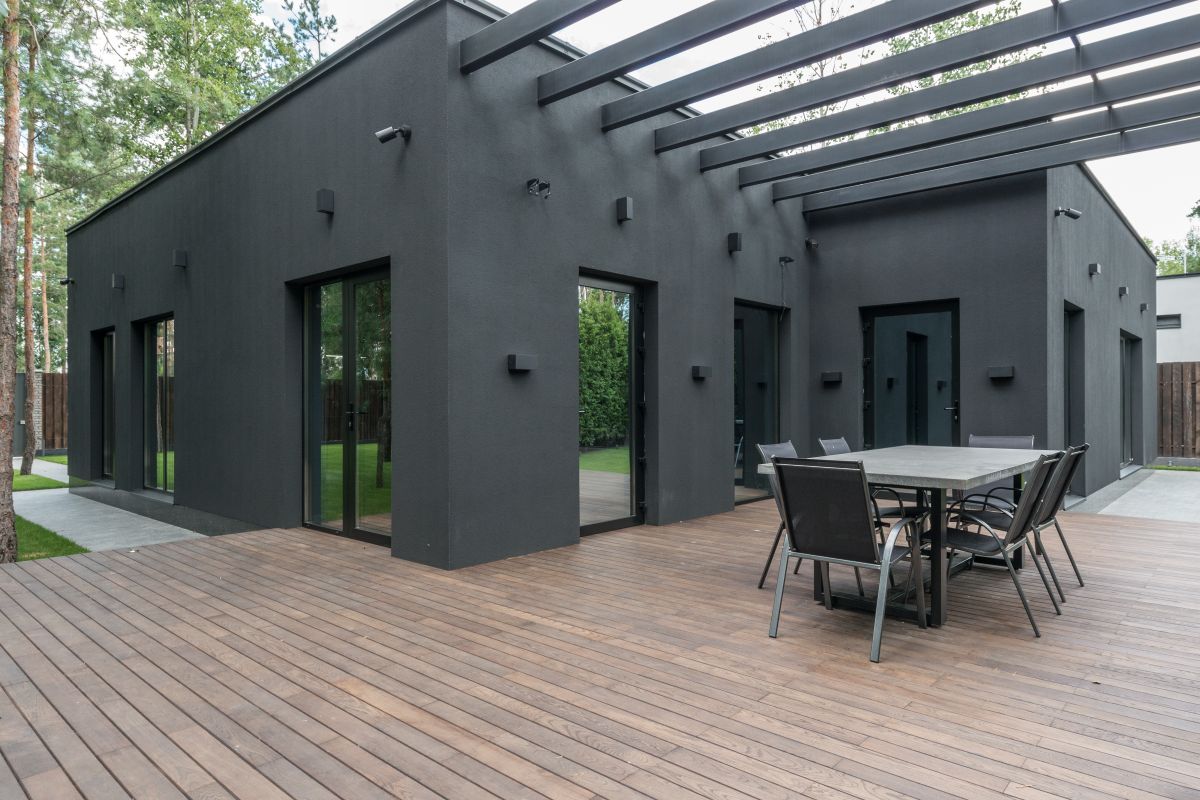
Photo by Max Vakhtbovych on Pexels
Fixed cameras excel at narrow entry points, single PTZ units cover medium yards, while multi-pack solar PTZ systems are essential for large suburban lots, acreage, and commercial perimeters.
Best choice for
- Multi-Pack Wireless Solar PTZ Cameras — Allows placement at front and rear corners, establishing overlapping 360-degree pan coverage that eliminates dead zones across side pathways.
- Solar PTZ Camera Pack with App Control & Two-Way Audio — Enables remote security guards or managers to actively pan across open storage areas and issue real-time voice warnings to trespassers.
- Static Fixed Camera — Provides direct, dedicated coverage without requiring motorized pan capabilities for a linear entry corridor.
- Relying on a single PTZ camera to cover a four-corner property perimeter without auxiliary support.
- Mounting solar panels in dense shade beneath building eaves where direct daily sunlight cannot reach.
- Hybrid Fixed + PTZ Array — Uses fixed cameras to maintain static oversight on high-value doors while a central PTZ camera auto-tracks moving activity across the main yard.
Recommended Solution: Outdoor Solar Security Camera Pack
For comprehensive property line protection without electrical wiring hassles, deploying multi-camera solar PTZ arrays represents the ultimate defense setup.
Real-World Defense Scenarios: Property Lines, Gates, and Acreage
Long Gated Driveway (200+ feet from main residence) — Deploy a Solar PTZ Camera mounted on a post near the entrance gate. Solar power eliminates costly underground conduit wiring, while motorized pan allows monitoring of both the gate entry and surrounding fence lines.
Rear Property Line Bordering Dark Alley or Dense Woods — Install a two-camera solar PTZ pack at diagonal rear corners. Set up overlapping guard zones so when Camera A pans to follow activity at the wood line, Camera B maintains active vision across the back lawn.
Commercial Commercial Vehicle Lot / Equipment Staging Area — Use an app-controlled multi-pack solar PTZ setup. Configure color night vision spotlights and motion alerts to deter thieves attempting night entry between parked vehicles.
Analyzing how PTZ camera setups handle challenging physical perimeter environments.
Creating an impenetrable outdoor security boundary requires understanding how lens geometry, mounting physics, and solar energy generation interact along property lines.
Field of View and Lens Geometry
Fixed security cameras typically possess a static horizontal Field of View (FOV) between 80 and 110 degrees. While ideal for monitoring static focal points such as a front door or single driveway bay, mounting a fixed camera along a 150-foot fence line leaves significant triangular dead zones directly beneath and adjacent to the camera housing.Conversely, a PTZ (Pan-Tilt-Zoom) camera features motorized rotation mechanisms capable of 355-degree horizontal panning and 90-degree vertical tilting. When mounted on an exterior corner, a single PTZ camera can sweep two entire sides of a building. However, because optical physics dictates that a lens can only capture light from its current direction, static blind spots temporarily open up whenever the PTZ camera turns away. Establishing overlapping coverage with a multi-camera pack mitigates this mathematical limitation completely.
Solar Power Efficiency & Battery Management
Motorized pan-tilt sweeps require significantly more energy than static camera sensors. Modern outdoor solar security cameras overcome this power demand through intelligent power state management:Optimal Mounting Heights and Angles
Mounting cameras too high is among the most frequent installation errors in perimeter defense. While an elevated perspective prevents vandalism, mounting higher than 12 feet creates steep top-down angles that capture hats and hoods rather than facial features. For maximum physical protection and optical identification, mount PTZ solar cameras 8 to 10 feet above ground level. This height places the camera out of arm's reach while preserving flat eye-level capture angles for clear intruder identification.Further Reading on Outdoor Security Strategy
Explore additional guides to optimize your property perimeter defenses:
Frequently Asked Questions About PTZ and Fixed Perimeter Cameras
Clear answers to common technical and tactical questions regarding outdoor security camera selection.
Final Recommendation: Build Your Zero-Blind-Spot Perimeter System
Your decision: Deploy a multi-pack array of solar PTZ cameras to achieve complete, zero-gap property protection.
Do this next: Evaluate your boundary line length, identify key entry point vulnerabilities, and order an Outdoor Solar Security Camera Pack to establish overlapping color night vision defense.
Related resource: Outdoor Property Defense & Placement Strategies Strategy Manual
Outdoor Solar Security Camera (Pack) available at https://solarsafetycameras.com
Ready to eliminate security blind spots around your home or commercial site?
Cover photo by Burst on Pexels.