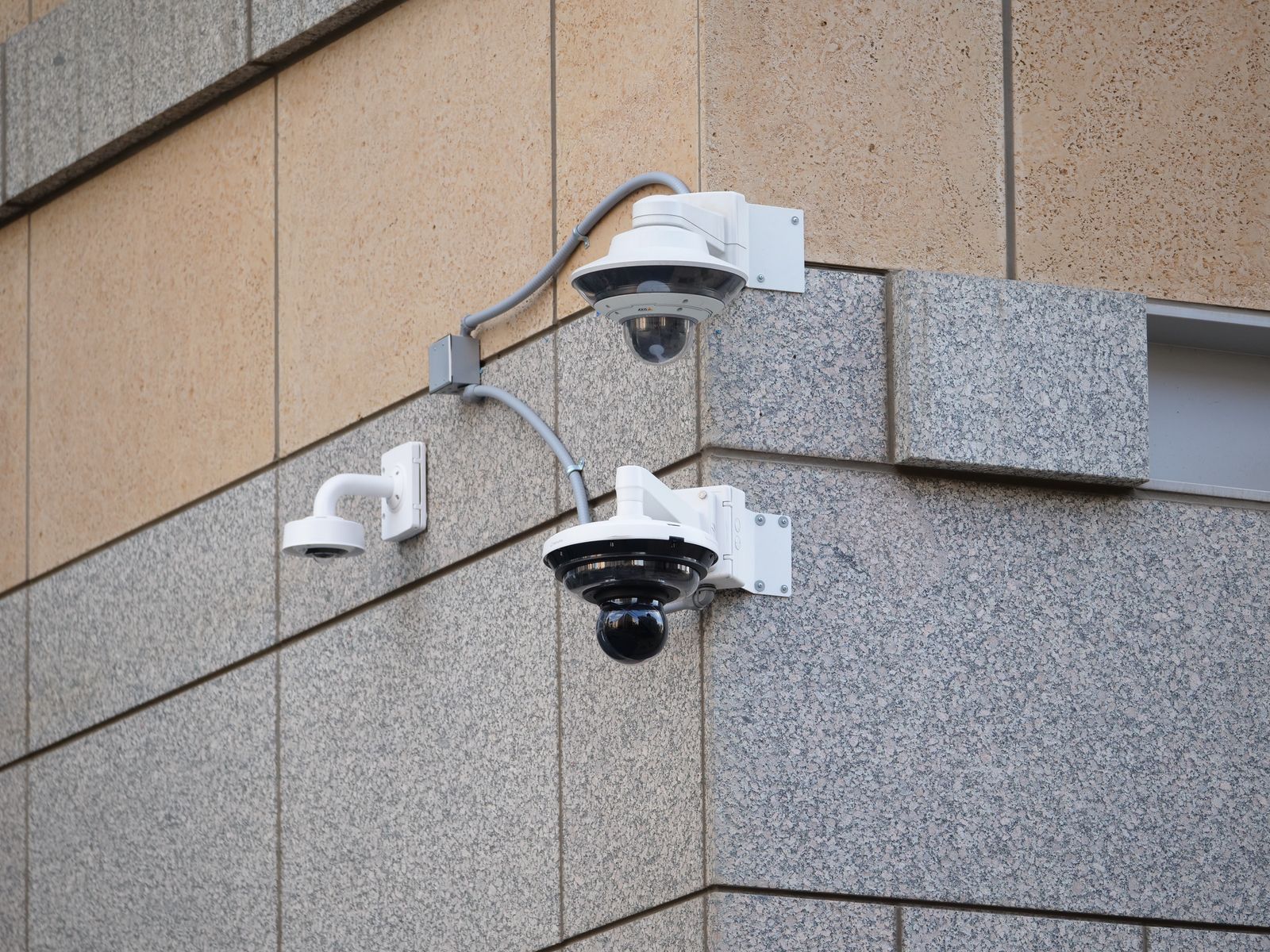
How to Prevent Nighttime Theft in Inventory Yards Using PTZ Solar Security Cameras
Nighttime theft from an inventory yard is usually opportunistic, quiet, and quick. It is prevented by three things working together: light and visible coverage that makes the yard look like a bad target, cameras that produce identifiable footage in darkness rather than gray shapes, and a way to interrupt someone while they are still deciding. Pan-tilt-zoom solar cameras handle all three, which is why they suit open yards better than fixed cameras on a fence line.
Why inventory yards get hit at night
Yards are attractive for reasons that have nothing to do with how valuable the stock is. They are unoccupied for twelve hours at a stretch. They have perimeters that are long relative to the number of eyes on them. Material is often stored in the open, so a thief can see what is available before committing. And the exits are usually vehicle-accessible, which means someone can arrive, load, and leave without ever entering a building.
Most yard theft is not sophisticated. It is a person or a pair walking the fence line, finding the least-observed corner, and taking what can be carried or rolled to a vehicle. That profile is important because it tells you what to defend: not a safe, but a decision. The goal is to make the yard feel watched during the ninety seconds someone spends deciding whether to come in.
What actually deters someone in a dark yard
- Being noticed early. Deterrence happens at the perimeter, before entry. A camera that only covers the stock is documenting a loss; a camera that covers the approach is preventing one.
- Evidence they can see being created. Visible cameras, especially ones that move, signal that footage exists somewhere they cannot reach.
- A human response. Being spoken to is the single most reliable interruption. Nobody expects a voice in an empty yard.
- No reliable dark corner. If every approach has been thought about, the easy option disappears and the yard stops being the path of least resistance.
- Footage that identifies rather than merely records. Color detail at night is what makes footage actionable instead of a gray silhouette that could be anyone.
How PTZ coverage changes yard surveillance
A yard is the worst possible fit for a single fixed camera. Fixed lenses cover one scene, and yards have several: the vehicle gate, the pedestrian gate, the stock rows, the equipment area, the loading zone. Covering that with fixed cameras means many units, many mounting positions, and on solar, many positions that all need real sun.
A pan-tilt-zoom camera covers a wide area by sweeping and can zoom in on a subject at distance. In an open yard that produces two concrete wins. One camera can watch ground that would otherwise need three, and when something is happening at the far fence, zoom turns a distant shape into a description: clothing color, vehicle color, how many people, which direction they left.
The trade-off is honest and worth planning for. A PTZ camera looks one direction at a time, so whatever it is not aimed at is not being recorded at that moment. That is managed with a sensible home position, a small number of saved presets, and motion detection doing the initial triggering rather than relying on someone watching. The coverage economics for larger commercial sites are worked through in more detail in this look at PTZ benefits on warehouse and yard properties.
The Outdoor Solar Security Camera is built around exactly this combination: PTZ movement, motion detection, color night vision, two-way audio, app control, and cloud storage support, with wireless WiFi connectivity so units do not need a cable run to a building that may be a hundred feet away.
Why color night vision matters more in a yard than at a front door
At a front door, a black-and-white infrared image is often enough, because the subject is close, well framed, and usually identifiable by context. In a yard, the subject is farther away, moving, and dressed for the weather. Under infrared, a person in a dark hooded jacket is a gray shape, and so is everyone else.
Color detail changes what the footage can support. A navy work jacket, a red pickup, a yellow high-visibility vest, a green company logo on a door panel: these are the details that let a police report describe a suspect or a vehicle rather than merely confirming a theft occurred. For an insurance claim, the same detail is the difference between a documented event and a documented shape. The commercial case for color capture is expanded in this piece on why color night vision matters for business security.
Using two-way audio as an interruption tool
Photo by Marek Piwnicki on Pexels
Two-way audio is the most underused deterrent on a commercial camera. A person who has just climbed a fence and then hears a calm voice describing what they are wearing generally leaves, because the assumption they were relying on, that nobody is watching, has just been disproved.
How to use it well:
Audio also carries legal weight. Laws on recording audio differ significantly by state, country, and sometimes municipality, and some jurisdictions treat audio capture far more strictly than video. Rules on filming areas beyond your own boundary vary as well. Keep camera positions and presets aimed at your own yard, fence line, and access points, never aim or zoom a camera into a neighboring property's interior or enclosed space, post signage where local rules expect it, and confirm the requirements that apply at the site before turning audio features on.
A practical layout for a yard, in order
FAQ
Do cameras alone stop yard theft? They reduce it, particularly when they are visible and paired with a response. Cameras that nobody monitors and nobody responds to mostly produce records after the fact. The deterrent effect comes from someone being able to see, speak, and report while the person is still there.
How many cameras does a yard need? Count approaches, not square footage. A yard with one vehicle gate and one pedestrian gate needs coverage of both plus the stock area, which a well-placed steerable camera can often handle from a single position. Separated areas that cannot be seen from one spot need their own unit.
Will solar cameras keep working through a long dark stretch? They run on stored battery capacity when the panel is not producing, which is why margin and clean panels matter more in winter than peak summer output does. Tight detection zones extend runtime considerably, because most battery drain on a yard camera comes from unnecessary triggers.
Is signage worth adding? Generally yes. Signage increases the deterrent effect and, in some jurisdictions, notice of recording is expected or required. What the sign must say and where it must be placed depends on local rules, so check before printing.
Practical next step
Walk the perimeter after dark this week and mark every approach that is currently unwatched. Then check which of those positions gets real midday sun. Where the two overlap is where the first camera goes, aimed at the approach rather than the stock, with a home position on the gate most likely to be used.
Cover photo by Giant Asparagus on Pexels.