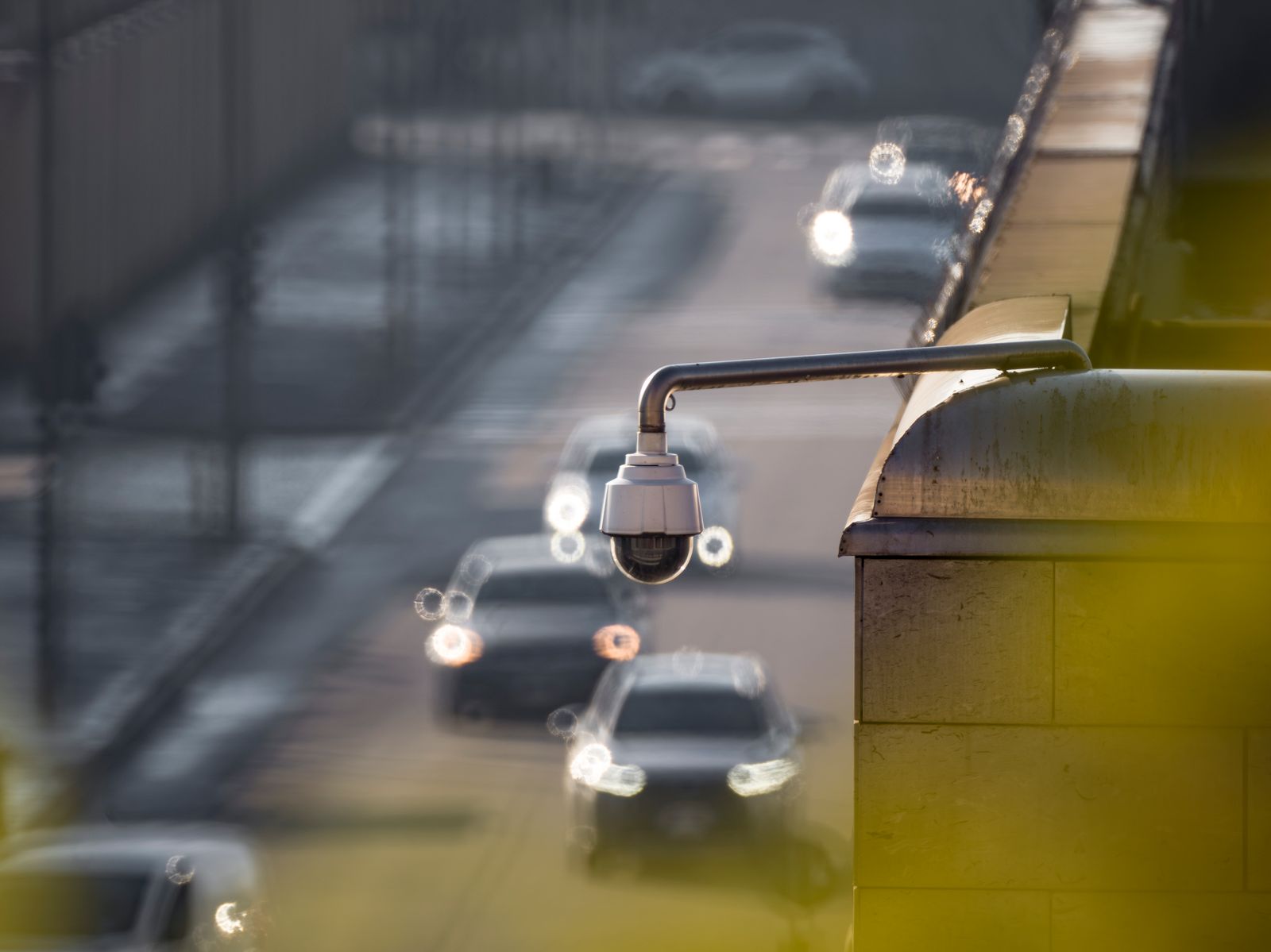
Monitoring a Holiday Let Between Guests: Cameras, Disclosure, and Guest Trust
A holiday let can be monitored responsibly with outdoor cameras covering the entrance, parking area, and approach, disclosed clearly in the listing before anyone books. Indoor cameras are a different matter entirely and are prohibited by most short-term rental platforms. The period that most needs watching is not the stay itself but the changeover gap, when the property is empty, its address is publicly advertised, and several different people hold access.
Owners tend to worry about guest behavior and under-think the empty days. The empty days are where the actual losses happen.
Why is the gap between guests the exposure?
A short-term let is unusual among empty properties because its emptiness is predictable. The listing shows availability, which means the calendar effectively publishes when nobody is there. Add a key safe by the door, a cleaner arriving on a fixed pattern, and occasional contractors, and the property has more unmonitored access than a normal second home.
The recurring problems reported by owners cluster in that gap: entry attempts on an obviously vacant property, key safes tampered with, garden furniture and equipment taken from outside, deliveries left unattended for days, and disputes about whether a cleaner or handyman actually attended. Outdoor coverage of the entrance and parking resolves most of them without touching the guest experience at all.
What is acceptable to record, and what is not?
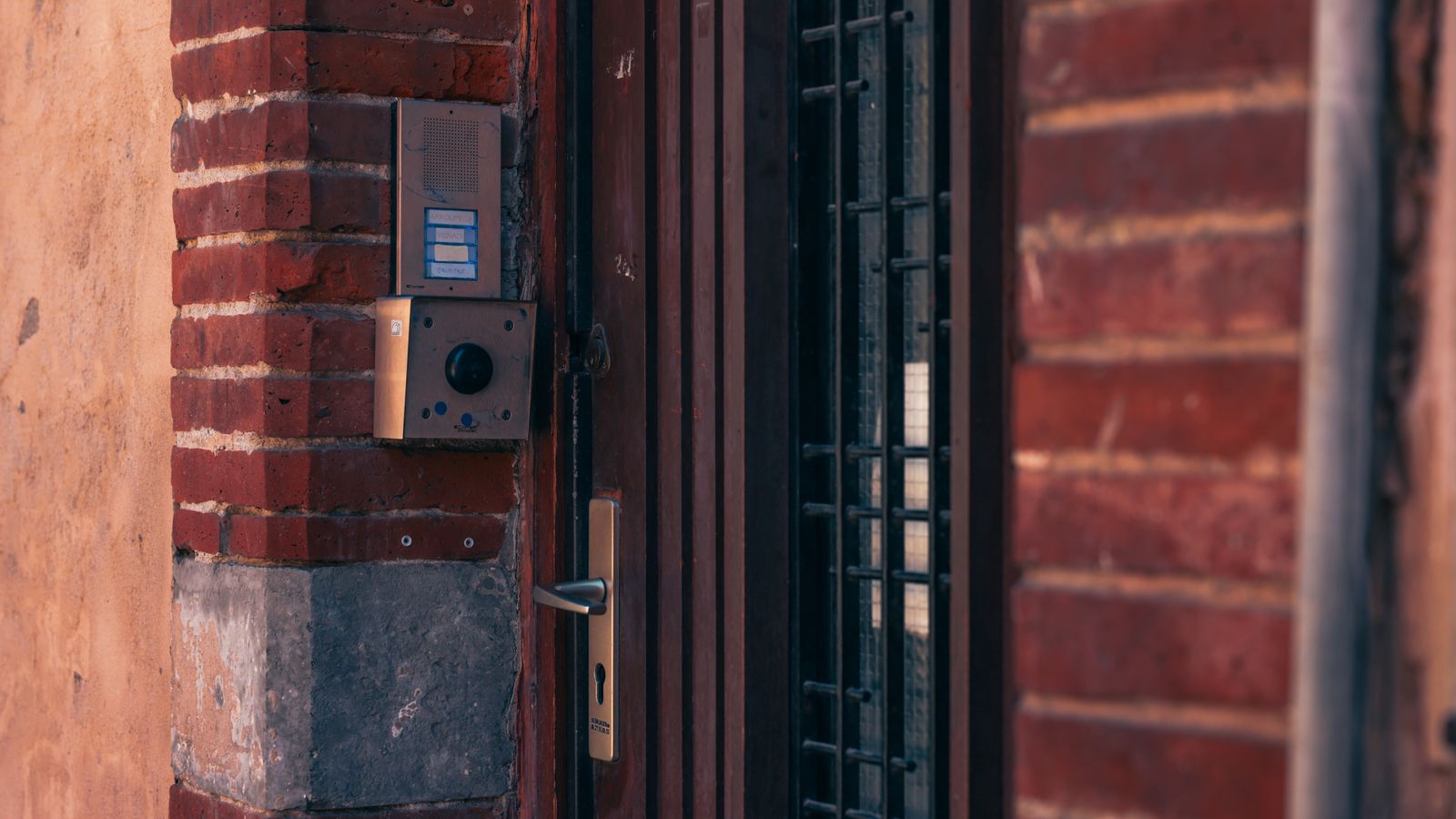
Photo by TBD Traveller on Pexels
| Location | Position | Notes | |---|---|---| | Front entrance and door approach | Generally acceptable when disclosed | The standard and most useful position | | Driveway and parking area | Generally acceptable when disclosed | Useful for arrival times and vehicle access | | Outdoor path to the property | Generally acceptable when disclosed | Keep the frame on your own land | | Any interior room | Not acceptable | Prohibited by most platforms and a serious breach of guest trust | | Enclosed private outdoor areas such as a hot tub, sauna, or walled patio | Not acceptable | Treated as private space even though it is outdoors | | Views into a neighboring property | Not acceptable | Never frame a neighbor's windows, garden, or doorway | | Shared entrances and communal areas | Depends on local rules and building agreements | Check before installing |
Short-term rental platforms set their own rules on top of the law, and those rules change. Read the current policy for every platform the property is listed on before installing anything, because a listing can be suspended over a camera that was disclosed but not permitted.
Rules on recording images and audio also vary by country, state, and municipality, and they can be stricter for a property let commercially than for a private home. Establish what applies where the property is, and take advice from a qualified professional if the let is part of a shared building or the local position is unclear.
How should disclosure be handled?
What is the camera actually for?
Being clear about the purpose keeps the setup proportionate.
- Confirming arrival and departure. Useful when a guest reports being unable to get in, or when a checkout time is disputed.
- Verifying attendance. Cleaners, gardeners, and contractors who invoice for a visit either appear on the driveway or do not.
- Protecting the empty property. The primary job, covering the days between bookings.
- Managing deliveries. Linen, supplies, and replacements arriving at an unoccupied property.
- Handling access problems remotely. Two-way audio lets an owner speak to someone at the door from anywhere, which resolves most arrival difficulties in under a minute.
What makes a good setup at a let?
Photo by Jan van der Wolf on Pexels
Holiday lets are frequently rural, frequently unattended, and often have unreliable infrastructure, which shapes the choices.
- Self-powered cameras avoid depending on the property's electricity. A let with the power off between bookings, or a fuse tripped by a guest, is a common reason wired cameras go dark exactly when they are needed. Solar units keep running independently.
- One movable camera often covers the whole arrival area. Pan, tilt, and zoom control allows a single unit to cover a parking space, a path, and a door from one position, which suits a property where nobody is on hand to adjust anything.
- Cloud backup matters more than usual. At an unattended property, footage held only on the device is vulnerable to the device itself being interfered with. Anything already uploaded survives.
- Check the connection realistically. Rural lets often have weak coverage, and a camera that drops offline between bookings is worse than none because it creates false confidence. The notes on wireless system reliability in practice are worth reading before committing to a position.
- Set up remote access properly from the start. Managing a property from a distance is its own discipline, and the guide to remote monitoring setups covers the account and access side.
What should a changeover routine include?
A short checklist between guests, done from the app rather than in person, catches most problems early.
The last point is worth taking seriously. A holiday let accumulates recordings of a great many identifiable people, and keeping them indefinitely is neither necessary nor advisable. Decide on a retention period, keep it short, and apply it consistently.
Frequently asked questions
Will a disclosed camera put guests off booking? Rarely, when it is described precisely. Guests object to uncertainty and to hidden devices, not to an entrance camera at a property they will leave unattended themselves during their stay. A clear description often reads as a well-managed property.
Can a camera be used to check how many people arrived? Recording an entrance inevitably captures arrivals, and that footage may be relevant if the booking terms were clearly breached. Actively monitoring guest numbers as a routine practice is a different thing, and it is where owners get into trouble with platforms. Handle occupancy concerns through the booking terms and the platform's process.
Is a doorbell camera treated differently from a security camera? Platforms and local rules generally treat them the same way, as a recording device at an entrance requiring disclosure. The form factor does not change the obligation.
What about a camera covering a shared driveway with a neighbor? That needs care and usually a conversation. Frame only the part of the drive belonging to the let, and check any local requirements covering shared access. The guide to remote access at commercial premises covers similar boundary questions where a property adjoins others.
A practical next step
Read the camera policy for each platform the property is listed on, then rewrite the listing's security paragraph to match exactly what is installed. Doing that first means the hardware decision is made inside the rules rather than tested against them after a guest complains.
Cover photo by tommy picone on Pexels.