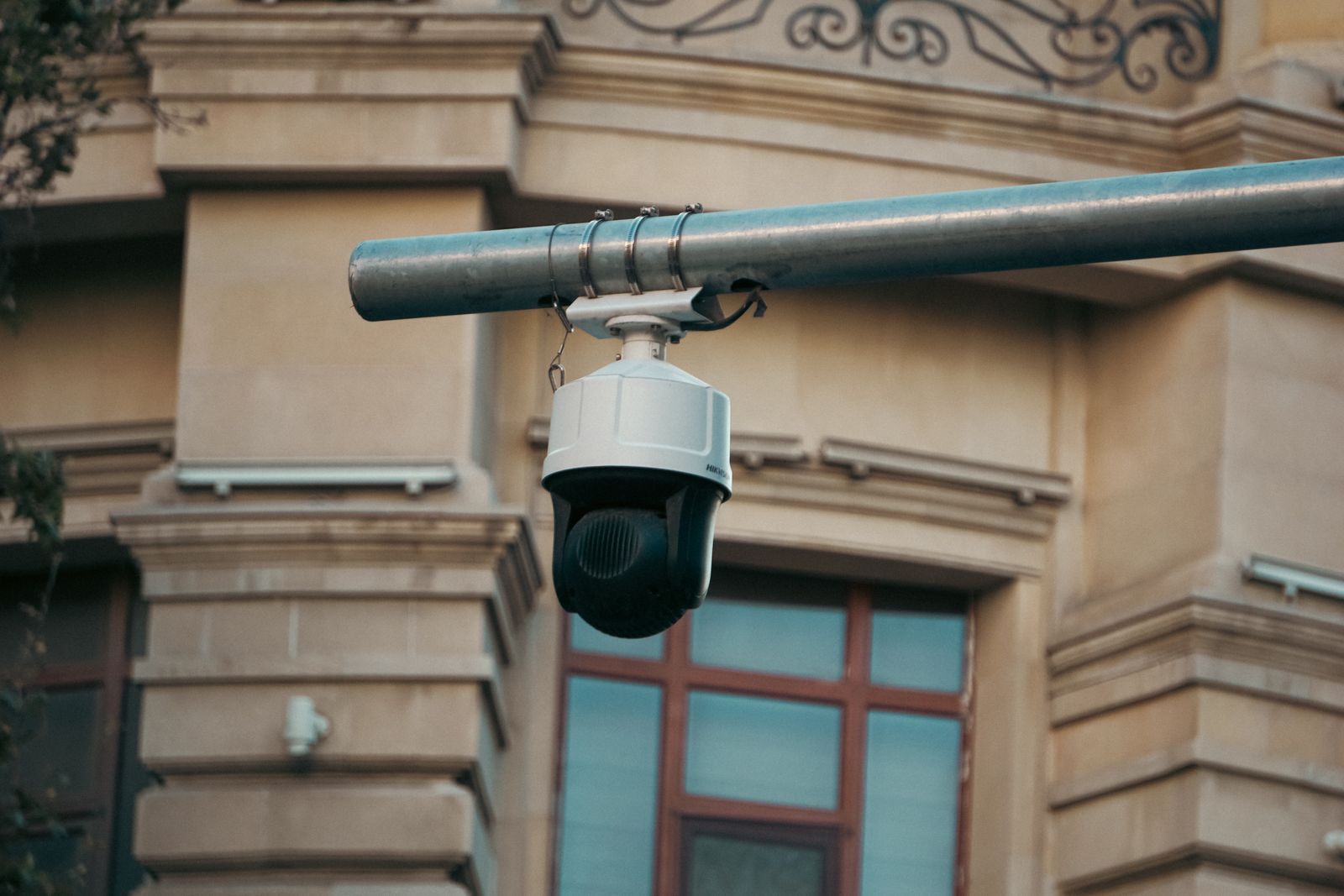
Leaving the Property for Two Weeks: A Camera Routine for Holiday Absences
An empty property is watched differently from an occupied one. The camera work happens before you leave — deciding who responds on your behalf, agreeing what counts as worth a phone call, and making sure footage of anything serious will survive even if the camera does not. The two weeks away are then mostly about not reacting to the wrong things from a thousand miles off.
What actually changes when nobody is home?
Two things. Every alert becomes ambiguous, because there is no longer a household member who might have caused it, and your ability to act on an alert drops to whatever a person nearby is willing to do. A camera does not defend a house. It shortens the gap between something happening and someone competent showing up, and that only works if someone competent has agreed in advance to show up.
The practical consequence is that a holiday plan is a people plan with cameras attached, not the reverse.
A pre-departure routine, in order
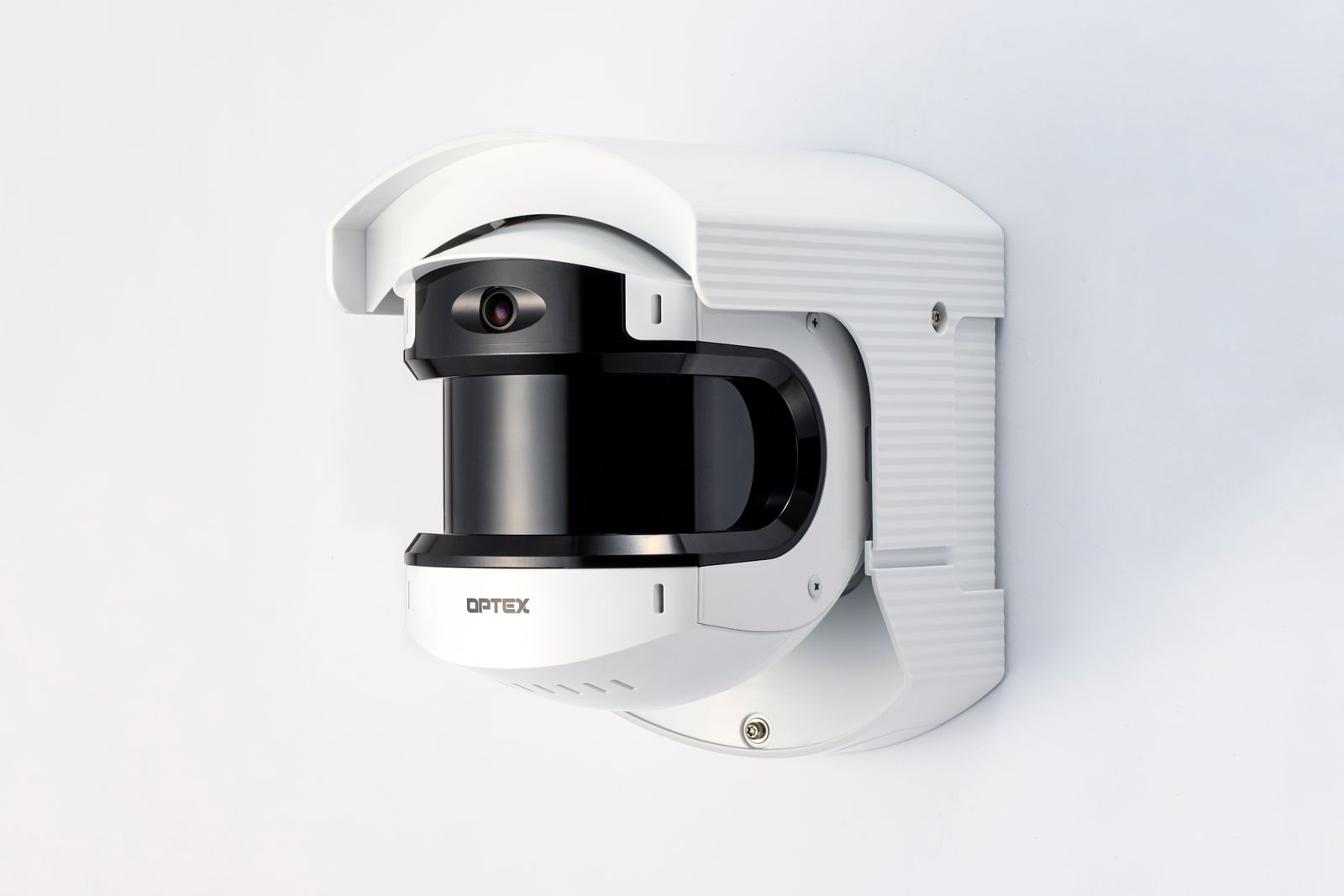
Photo by Optex Pinnacle India Pvt. Ltd. on Pexels
Who should be told what?
| Person | What they need | What they should not have | |---|---|---| | Local responder | Dates, key, alarm code, your phone number, permission to call police | No need for full camera access unless you want it | | Neighbors either side | Your dates, and a number to call | Your access credentials | | House-sitter or animal carer | That cameras are recording, and which areas they cover | Ability to delete footage | | Everyone else | Nothing until you are home | Any indication the property is empty |
The last row matters more than people expect. Most absence-related loss traces back to the absence being known, not to a weak lock. Publishing travel photos while away, an out-of-office reply that names dates, or a note left for a courier saying "away until the 14th" all do more damage than a missing camera.
If a house-sitter is staying, be explicit about which cameras cover which spaces, and turn off anything covering areas a guest would reasonably treat as private. Rules on recording people — and particularly on recording audio — vary by state, province, and country, so check what applies where the property sits before enabling two-way audio while someone else is living there. Never let a camera view extend into a neighbor's home or enclosed yard.
How to set alerts you will not ignore
Two weeks of constant notifications trains you to swipe them away, which is worse than no notifications at all. Keep push alerts on the one or two cameras where any activity is genuinely abnormal — usually the entrance and the least visible door — and leave the rest as cameras you review once a day over coffee.
That daily review habit is the underrated half of the plan. Scanning a day's activity at a fixed time catches slow patterns that individual alerts hide: the same unfamiliar vehicle passing the entrance three evenings running, or a gate found open twice. Entrance and driveway coverage is where those patterns show up first, and the detail behind that is covered in the notes on watching a driveway or approach.
Also account for time zones. An alert that arrives at 3 a.m. local time where you are is an alert you will not read for six hours. Tell your local responder that they, not you, are the fast path.
Seasonal timing changes the plan
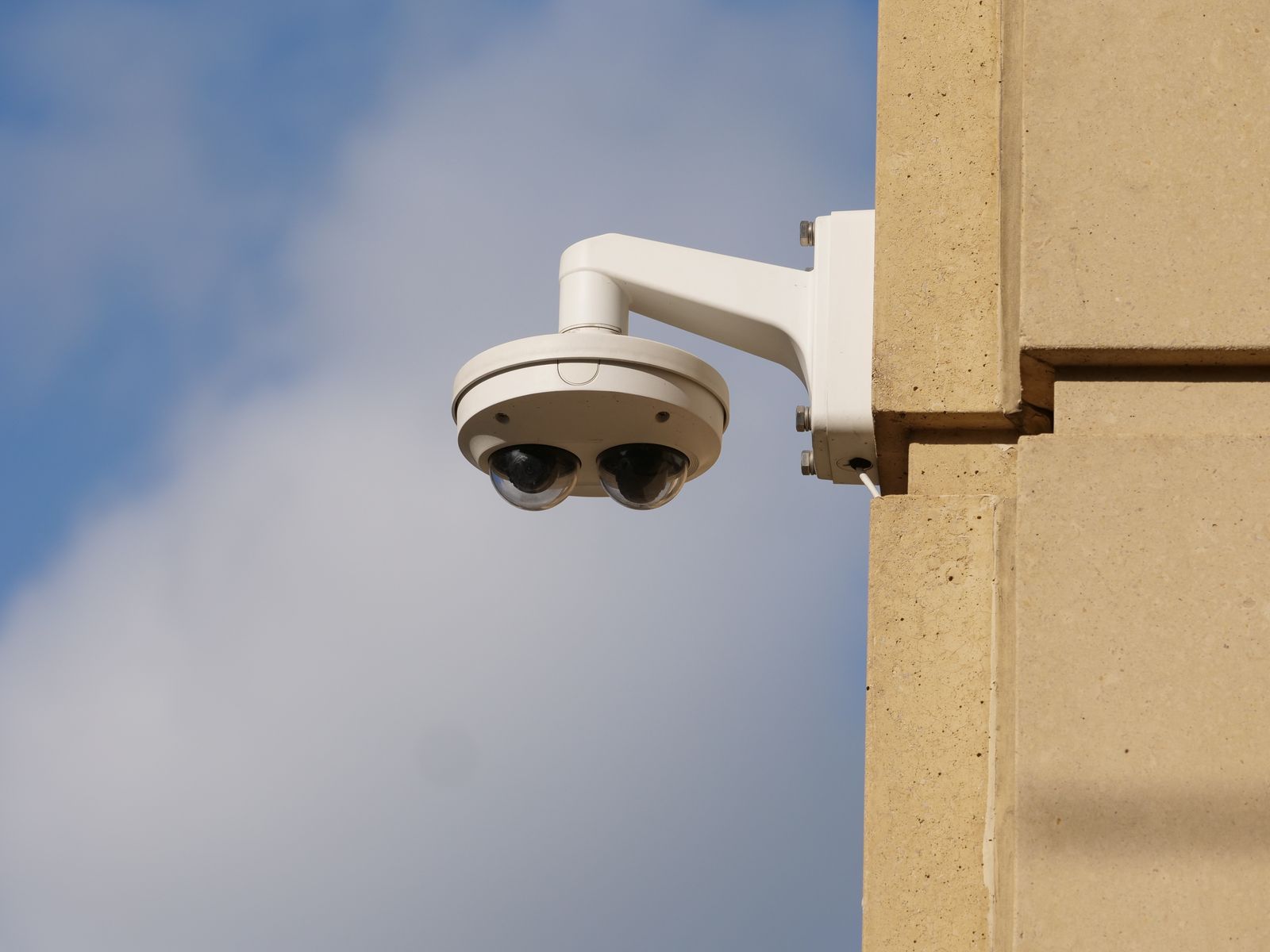
Photo by Giant Asparagus on Pexels
Winter absences and summer absences fail differently. In a winter absence the days are short, the camera has less light to work with and fewer daylight hours to recharge, and a snow-covered panel behaves like a covered panel. Clearing the panel is one of the few things worth adding to your responder's list if you travel in deep winter.
Summer absences fail through growth and heat: a hedge that gains a foot in two weeks, insects drawn to the housing, and long dry spells that coat everything in dust. Either way, brush the panel and glass before you go, and pick your camera positions with the season in mind. Properties left empty for long stretches in hard conditions face the same problems as buildings that are unoccupied most of the year, which the guide to cameras at rarely visited properties works through in more detail.
If something happens while you are away
- Do not treat one ambiguous clip as proof of anything. Look for a second angle or a sequence before acting.
- Call your local responder, not the neighbors at random. One person coordinating beats four people speculating.
- Report to police through the proper channel, and let the person on site meet them. Trying to manage it from abroad wastes hours.
- Save the relevant clips immediately, and note the exact times. Storage is finite and old footage rolls off.
- Do not ask anyone to confront a person on your property. Their job is to observe, report, and lock up — nothing else.
- Only fly home if there is real damage. A knocked-over bin and a raccoon have ruined more holidays than burglars have.
FAQ
Should cameras be turned off while a house-sitter stays? Outdoor cameras covering entrances can stay on, but tell the sitter they exist and what they cover. Anything overlooking space the sitter will use as private living area should be off for the duration.
Is it worth adding a camera the week before a long trip? Only if you have time to test it properly. A camera installed the night before departure is untested, and an untested camera creates false confidence rather than coverage.
Will old footage still be there when the trip ends? Not necessarily. Retention is limited, so anything that matters should be saved deliberately at the time rather than left for review on your return. The trade-offs around keeping footage off the device are set out in the notes on storing footage away from the camera.
Does a visible camera help while the property is empty? It changes behavior at the margins, which is why placement at the approach matters more than total camera count. The broader case for visible outdoor coverage is covered in why outdoor cameras earn their place.
Next step
Two weeks out, write the eight-step routine above into a note on your phone and do the steps in order, ending with the walk-into-frame test. Then send your local responder a short message with your dates, your number, and one sentence about what you would like them to do if you call.
Cover photo by Elmir Jafarov on Pexels.