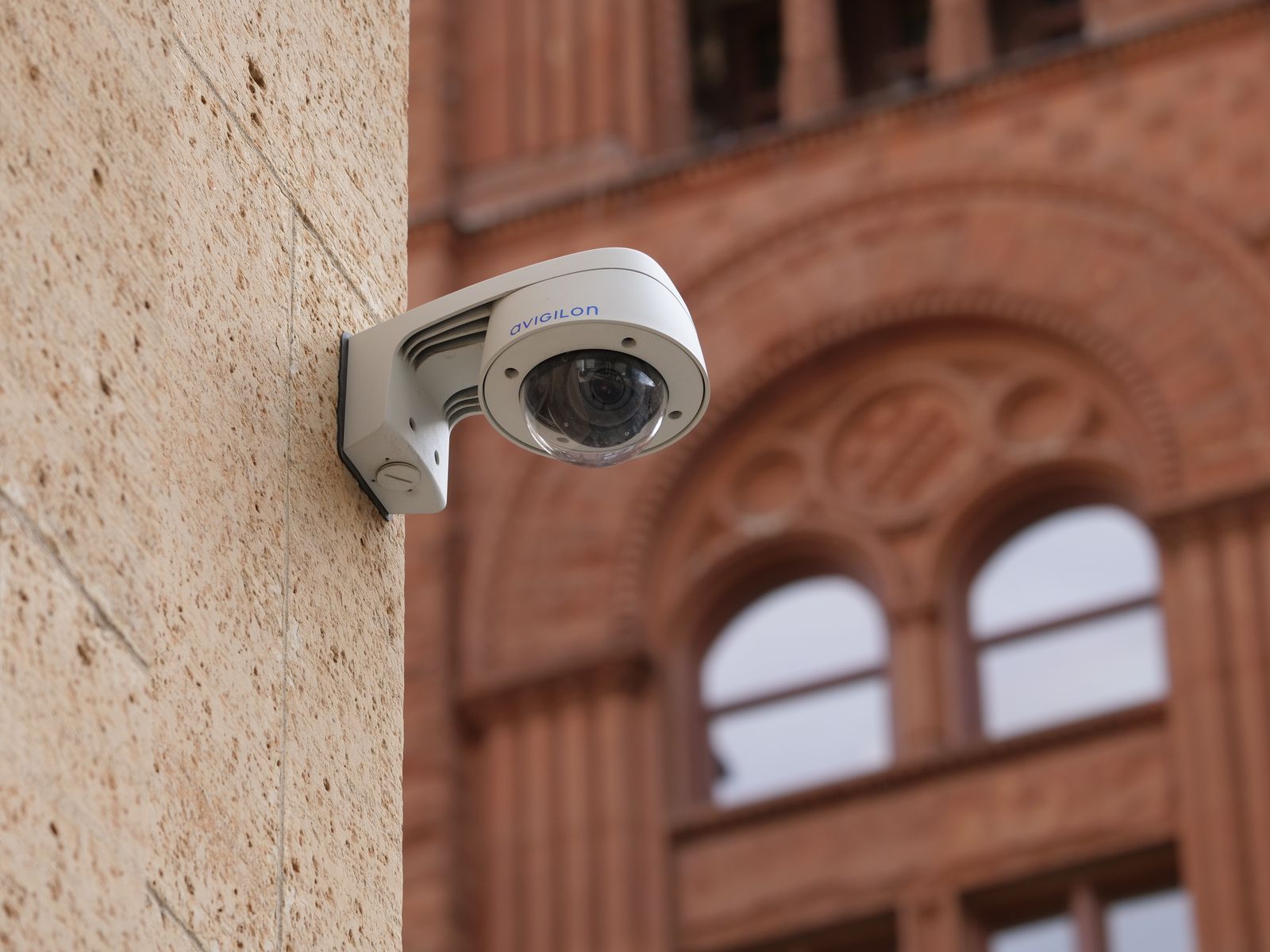
Why Cameras Alert at 3 a.m.: Spiders, Rain, and Other False Triggers
Most alerts that arrive in the small hours with nothing visible in the clip are caused by something within a few inches of the lens — usually a moth, a spider building overnight, or a raindrop catching the light. Weather and insects account for the large majority of nuisance notifications on outdoor cameras, and nearly all of them are fixed with a cloth, a slight change of angle, or a change in what you allow to notify you. The camera is not malfunctioning; it is reporting movement that is real but irrelevant.
Why do cameras alert at night when nothing is there?
Because at night the nearest object in the frame is lit far more brightly than anything else. A camera works out movement from changes in the image, and a moth two inches from the lens fills more of that image than a person twenty feet away. From the camera's point of view, that moth is the largest, fastest, brightest thing in the scene.
Insects compound the problem by being attracted to the housing in the first place. Warmth, and any light the camera emits or sits near, pulls them in — and where insects gather, spiders follow and build. A web strung across the front of a camera moves all night in the faintest breeze, and every movement is a trigger.
What each false trigger looks like in the footage
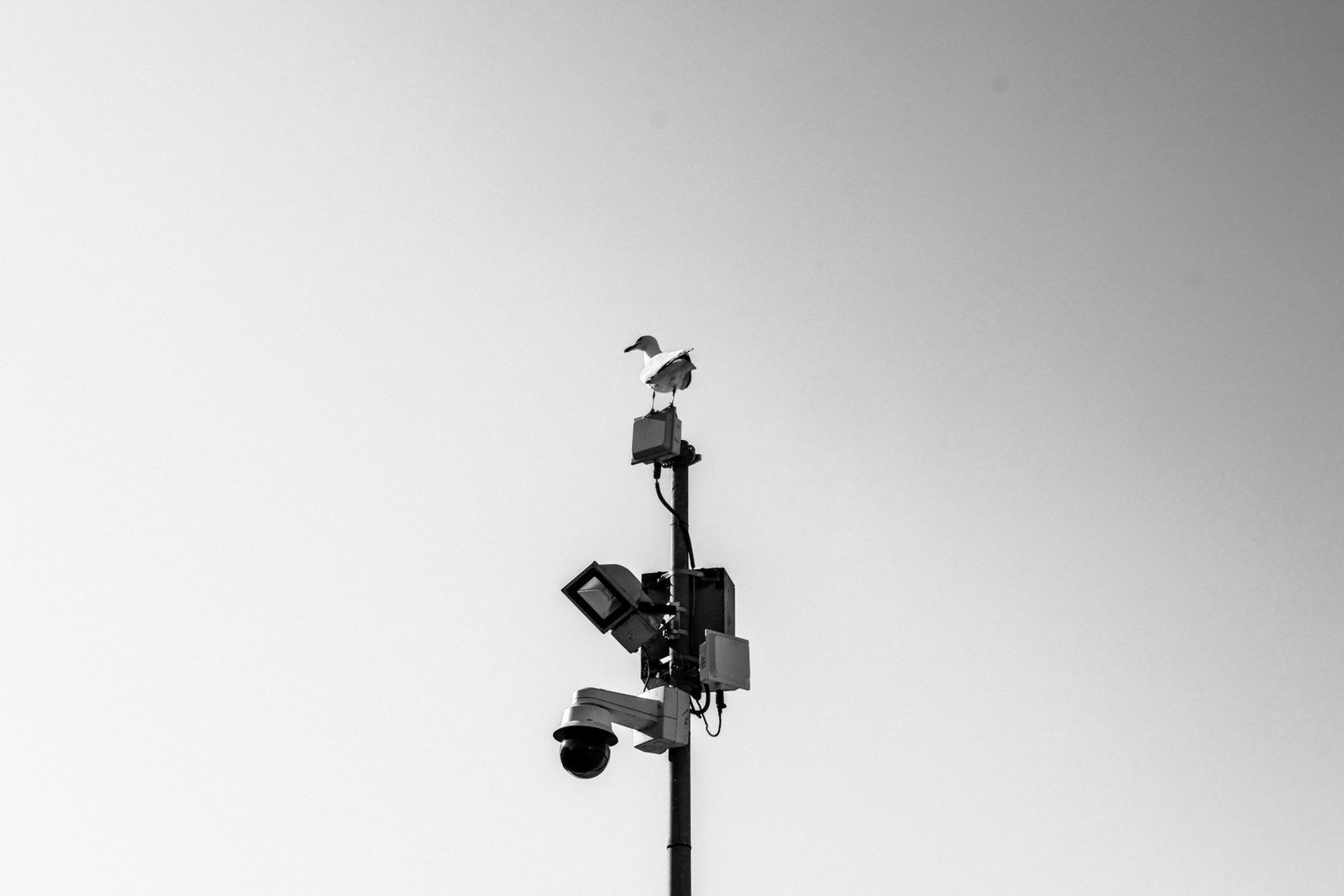
Photo by Anaïs Berland on Pexels
You can usually identify the cause from a single clip without going outside.
| What you see in the clip | Likely cause | What fixes it | |---|---|---| | Bright blurred shape darting across frame, no detail | Insect at the lens | Clean housing, move any nearby light source away from the camera | | Fine pale threads or a drifting veil, same spot nightly | Spiderweb across the lens | Wipe weekly during warm months; brush the housing edges | | Dozens of small bright streaks falling | Rain or snow lit close to the lens | Slight downward or sheltered angle; reduce sensitivity at night | | Whole frame brightens and darkens | Headlights, passing car, security light cycling | Re-angle away from the road or light; trim what reflects | | One region moving repeatedly, always the same | Branch, tall grass, flag, hanging laundry, or a plant in a pot | Cut it back or move it; adjust the covered area | | Wide slow drifting shadow | Clouds crossing the sun, or a tree shadow moving through the day | Reduce daytime sensitivity; reposition slightly | | Ripple or shimmer over paving in hot weather | Heat rising off a hard surface | Angle so less hot paving fills the frame | | Nothing at all, alert only | Something moved at the edge of frame and left before the clip started | Check the adjacent camera; usually an animal |
Cats, foxes, raccoons, deer, and birds are the other large category. Those are genuine detections of a genuine thing, and no setting distinguishes a fox from a person with certainty. What you can do is decide which cameras are allowed to wake you.
A repair order that solves most of it
Work through these in sequence rather than jumping straight to settings. Physical causes are cheaper to fix and stay fixed.
That last step is what people resist and what helps most. A phone that buzzes forty times a night gets ignored, and an ignored alert is the same as no camera. Approaches and driveways are usually the views worth keeping loud, and the reasoning behind that is set out in the notes on watching a driveway effectively.
Does weather itself break detection?
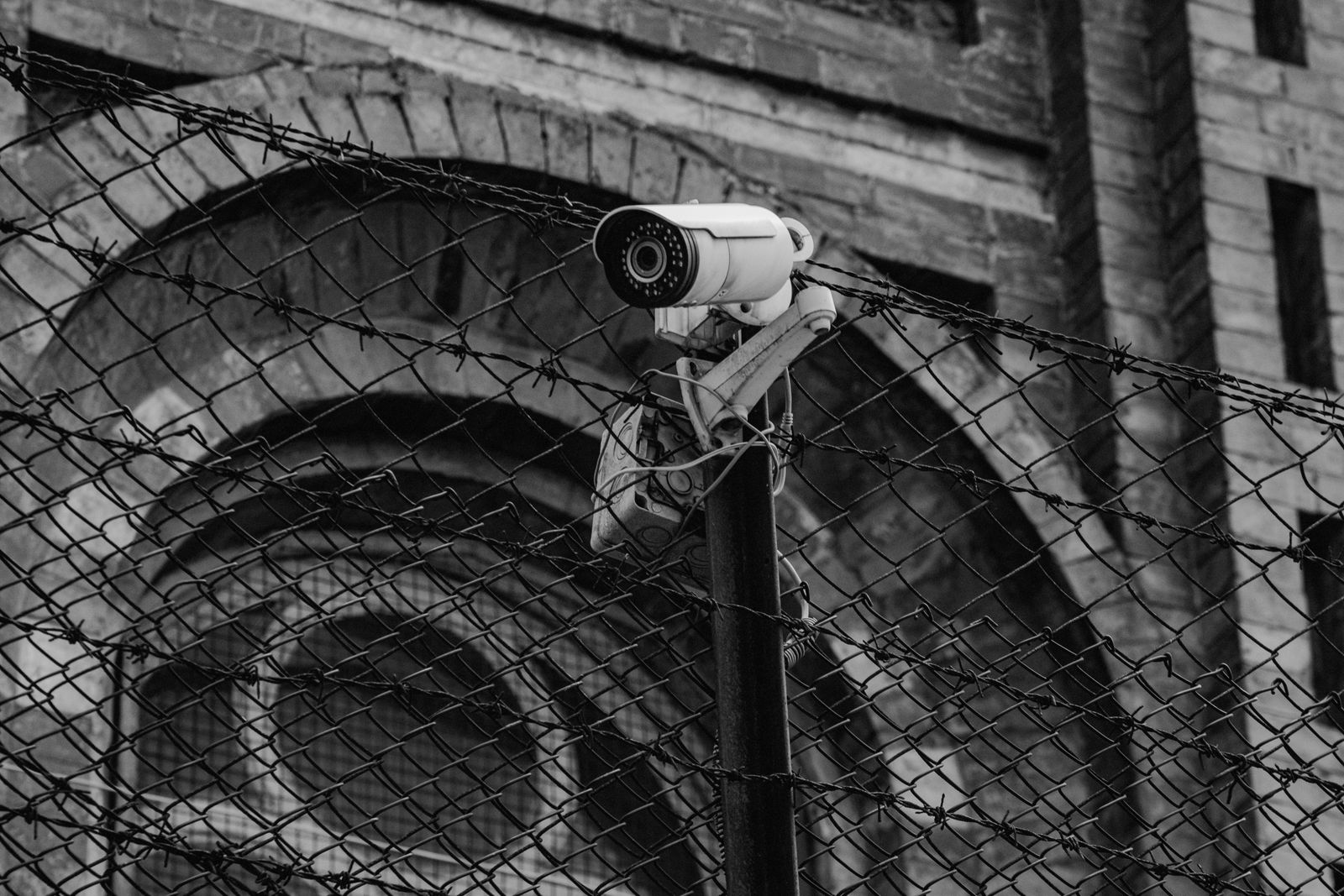
Photo by Raw Art Shafak on Pexels
Heavy weather does not damage detection so much as flood it. Wind moves everything in frame at once, rain and snow put moving objects between the lens and the scene, and fog scatters light so that a camera relying on its own illumination effectively lights up the fog rather than the yard. Expect more alerts and less useful detail during a storm, and expect it to pass.
Two weather effects are worth knowing because they look like faults:
- Condensation inside the housing produces a soft haze that clears as the day warms. Persistent internal fogging that never clears is a different matter and suggests a seal has failed.
- A snow-covered or leaf-covered solar panel does not cause false alerts, but it does end them — the camera eventually drops offline as charge falls, and people often read that silence as a settings problem rather than a power one. How the solar side behaves is covered in the explainer on how solar cameras power themselves.
FAQ
Will cleaning the camera really reduce alerts that much? Often, yes. Webs and lens film are the two most common causes of repeated nighttime triggers, and both are removed with a damp cloth in under a minute per camera. Warm months need a weekly wipe; winter can go monthly.
Do insect repellents on the housing work? Wiping the housing down regularly is the reliable measure. Avoid spraying anything oily, solvent-based, or greasy on or near the lens and the solar panel, since residue attracts dust and can haze the glass permanently. Reducing nearby light does more than any coating.
Should sensitivity just be turned down to the minimum? No. A camera set so low it ignores a person walking up a path has traded a minor annoyance for a real failure. Lower it one step, then test by walking into frame at the distance that matters and confirming you appear.
Why does one camera get all the false alerts and the others get none? Something in its immediate surroundings differs — a light, a plant, a gutter, a warm wall, or an angle that includes the road or sky. Compare that camera's frame edge to the others and the difference is usually visible within a minute.
Is an alert with no visible cause worth reviewing? Occasionally. If it happens at the same time on several nights, look at the camera nearest to it for the same window. Repeating patterns are the ones that turn out to matter; isolated empty clips almost never do.
Next step
Pick the camera producing the most nuisance alerts, clean the housing and glass, look for a light source within a few feet of it, and re-aim it a few degrees down and along the wall. Leave the settings alone for two nights and see what remains — most of the list will be gone, and whatever survives is worth tuning properly.
Cover photo by Giant Asparagus on Pexels.