Color Night Vision vs. Infrared Night Vision: Which Is Better for Home Security?
Infrared night vision produces a black-and-white image and uses very little power. Color night vision produces a full-color image and needs visible light to do it, which costs more energy. For identifying people and vehicles, color is clearly better, because clothing color, vehicle color, and markings are what make footage usable. For simply knowing that something moved in a dark space, infrared is sufficient and gentler on a solar battery.
How each technology actually makes an image in the dark
Infrared works by flooding a scene with light just outside the range human eyes can see. The camera sensor registers it, the scene becomes visible, and because infrared carries no color information, the result is monochrome. Emitters are efficient, the technology is mature, and it works in total darkness.
Color night vision takes a different approach. It gathers whatever visible light exists in the scene and, where that is not enough, adds visible light of its own so the sensor can record real color. The visible illumination is what makes color possible and what makes it more demanding on power.
There is a third factor people miss: ambient light. Many outdoor locations are not truly dark. Streetlights, porch lights, security lights, and even a bright moon supply enough visible light that a camera may produce color with little or no help from its own illuminator. Where a camera is aimed therefore affects both image quality and energy use.
Color vs. infrared compared
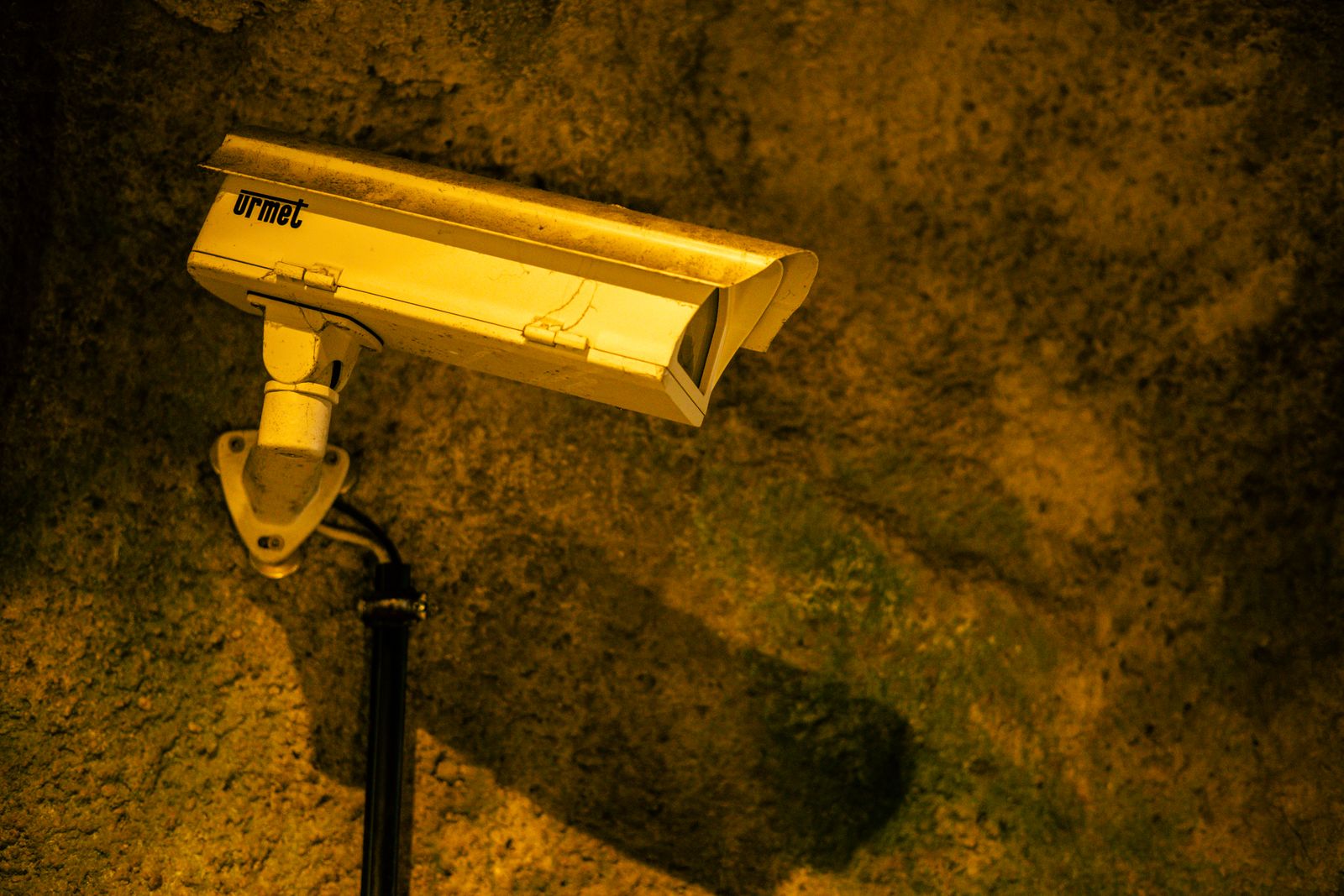
| Factor | Color night vision | Infrared night vision | |---|---|---| | Image output | Full color | Black and white | | Identifying clothing and vehicles | Strong, color is the key detail | Weak, everything renders gray | | Power draw | Higher, visible illumination costs energy | Lower | | Performance in total darkness | Works using its own visible light | Works using invisible light | | Benefit from ambient light | Large, streetlights genuinely help | Minimal | | Visible to a person on site | Yes, illumination can be seen | Largely invisible | | Best suited to | Driveways, yards, entrances, commercial sites | Enclosed dark spaces, discreet monitoring |
Why color detail matters so much for security footage
The purpose of security footage is not to prove that something happened. It is to describe what happened well enough for someone to act.
Under infrared, a person in a dark hooded jacket looks like a gray shape, and so does the next person, and the one after that. A report built on that footage says a person of roughly average height took something. Under color, the same clip can support a description: a red pickup, a navy work jacket, a yellow high-visibility vest, a logo on a door panel, a blue bicycle left by the fence.
That difference determines whether footage helps a police report or an insurance claim. It matters more as distance increases, which is why yards and parking areas benefit from color more than a doorway camera does, where the subject is close and context often identifies them anyway. The commercial case is set out in more detail in this piece on why color night vision matters for business security.
Where infrared is still the better choice
Infrared is not obsolete, and there are situations where it is the right answer.
- Genuinely dark, enclosed spaces. A storage room, a garage interior, or a windowless area where no ambient light exists and identification is less important than presence.
- Positions with poor sun for solar charging. If the mounting spot only gets a couple of hours of winter sun, the lower draw of infrared may be what keeps the camera alive.
- Discreet monitoring. Infrared illumination is largely invisible, so it does not announce that a camera is recording. Color illumination can be seen.
- High event volume. A camera that triggers frequently through the night spends less energy per event on monochrome capture.
- Long, dark winters. When the charging window is short, reducing draw per event has a compounding effect over months.
How to decide, position by position
Driveway positions deserve particular attention, since they combine distance, vehicles, and frequent legitimate movement. Detection tuning for that scenario is covered in this walkthrough on driveway motion detection.
What to realistically expect from color at night
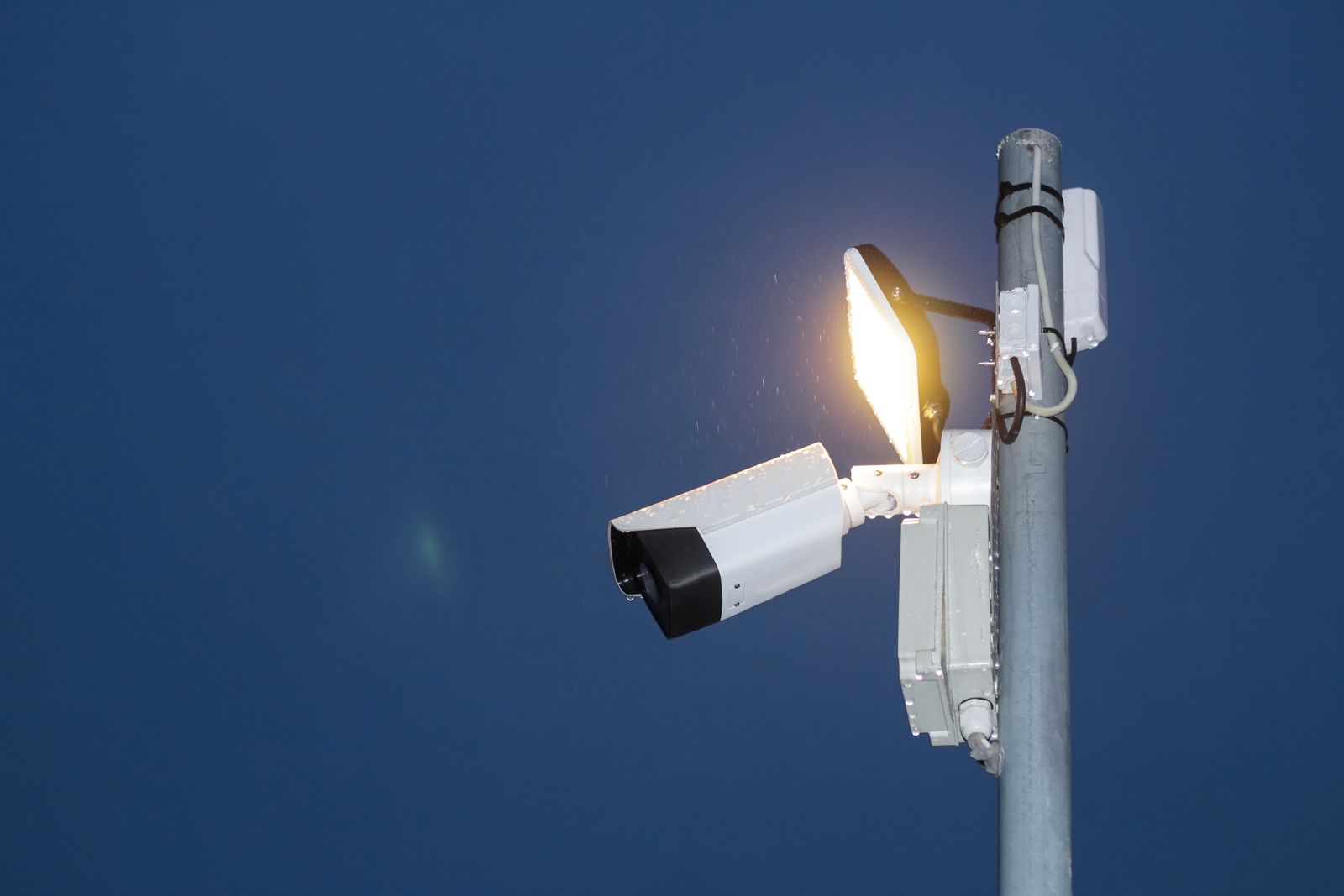
Photo by Henrikas Mackevicius on Pexels
Color night vision does not produce daylight-quality images after dark, and expecting that leads to disappointment. What it reliably delivers is enough color information to describe a subject: the general color of a jacket, the color of a vehicle, whether someone is carrying something, whether reflective workwear is present.
Range matters. Any camera's illumination is strongest close in and weaker farther out, so a subject at the near edge of a yard will be rendered better than one at the far fence. Weather matters too, since rain, fog, and airborne dust scatter light and reduce clarity for any night vision technology. And a lens with dust or spider webbing on it will scatter the camera's own illumination straight back into the sensor, which is why cleaning the lens is one of the highest-value maintenance habits there is. Field behavior in varied conditions is examined in this assessment of color night vision reliability.
The Outdoor Solar Security Camera provides color night vision alongside PTZ movement, motion detection, two-way audio, cloud storage support, and app control, which is a practical pairing: motion detection decides when to record, color capture provides the detail, and zoom directs that detail where it is needed.
Placement, privacy, and local rules
Night capability makes placement more consequential, because a camera that sees well in darkness sees more of everything, including areas you may not intend to record. Laws on recording audio and on filming beyond your own property line vary by state, country, and sometimes municipality, and two-way audio can fall under separate consent rules.
Keep coverage on your own entrances, driveway, yard, and approach paths. Never aim or zoom a camera so it looks inside a neighbor's home or enclosed yard. Trim detection zones back from a neighbor's property, which respects the boundary and cuts false triggers at the same time. On a steerable camera, review saved presets with the same care as the original mounting angle, and confirm the rules that apply at your location before finalizing either.
FAQ
Can color night vision see in total darkness? Yes, when the camera supplies its own visible light. The image is best at closer range, since illumination weakens with distance, and any ambient light in the scene improves both clarity and efficiency.
Does color night vision drain a solar battery faster than infrared? It draws more power per recorded event, because producing visible light costs energy. The effect is proportional to event count rather than constant through the night, so tight detection zones matter more than the choice of night mode.
Which is better for a driveway? Color, in most cases. Vehicle color is one of the most useful identifying details available, and driveways usually have some ambient light from a street or a porch fixture that makes color capture easier.
Do cameras switch between the two automatically? Many cameras change night behavior based on available light, so the capability varies by model and should be confirmed for the specific unit. What matters more for results is aiming the camera where some light exists and keeping the lens clean.
Practical next step
Go outside after dark and stand at each camera position you are considering. Note how much light is already there and how far away a person would be. Positions with some ambient light and subjects at moderate distance are where color night vision earns its keep, and positions in deep darkness with poor winter sun are where the lower power draw of infrared is the more practical choice.
Cover photo by Chris Thornton on Pexels.