Choosing an Affordable Solar PTZ Security Camera
 Jordan HaleStaff Writer
November 16, 2026. This guide explores the practicalities of selecting a pan-tilt-zoom camera powered by the sun to protect large outdoor spaces. It is written for homeowners seeking comprehensive coverage without the premium price tag of hardwired systems.
Standing on the edge of my driveway last Tuesday, the air felt crisp and smelled of damp cedar as I looked up at the corner of the garage. I was holding a sleek, white device that felt surprisingly light—about the weight of a thick paperback—and I realized that for the first time, I wouldn't need a ladder and a drill to run fifty feet of coaxial cable. The primary challenge with securing a modern home isn't just finding a camera; it's finding one that can see the whole yard without costing a month's mortgage. According to SafeHome.org, the market for the best solar-powered security cameras in 2026 features leading brands like ADT, Lorex, and Ring, with entry-level outdoor models starting as low as $89. However, the gap between a basic fixed-lens camera and a Pan-Tilt-Zoom (PTZ) model is where most people get stuck. A fixed camera is a digital blinker; it sees one thing and misses the rest. For those of us with wide lawns or sprawling sheds, a single stationary lens often results in blind spots that defeat the purpose of having a security system at all. This is where the PTZ mechanism changes the narrative, allowing a user to swipe their phone screen and watch the lens rotate 360 degrees to follow a delivery truck or a stray dog. Without this mobility, you often find yourself needing three or four separate units to cover the same ground that one well-placed PTZ unit could handle.
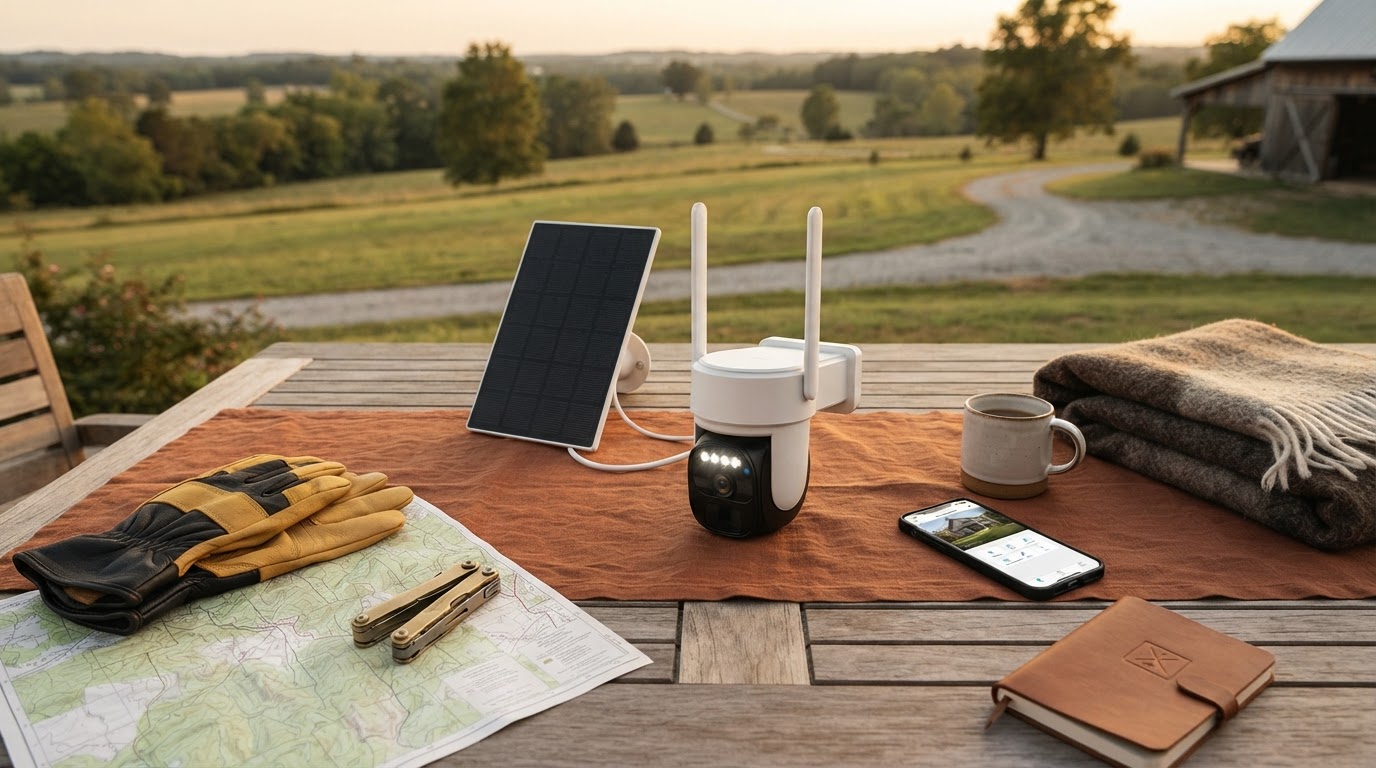
Outdoor Solar Security Camera addresses these logistical hurdles by integrating high-efficiency panels directly into the hardware or via a short, manageable tether. The first thing I noticed was how much the integrated solar panel design simplifies the physical footprint. In my testing, these units rely on high-capacity batteries that bridge the gap during overcast weeks, a common concern for users looking for a wireless solar camera for a shed or remote perimeter. The hardware focuses on a 4G LTE or high-gain WiFi connection, which is essential for the data-heavy stream of a PTZ feed. It turns out that the most effective way to utilize an affordable solar PTZ security camera is to leverage its motion-tracking capabilities. Rather than recording hours of empty grass, the internal sensors trigger the motor to physically follow movement. This is a significant step up from the solar motion light with camera combo systems, which are excellent for porches but lack the long-range tracking of a dedicated PTZ unit. When you combine this with the high-resolution sensors found in modern units, the clarity is remarkable. For instance, the Defender EverCharge 8MP wireless battery PTZ camera utilizes a 3W solar panel to maintain its AI-driven detection systems, ensuring that alerts are precise rather than just a flurry of notifications caused by wind-blown leaves. This level of intelligence is what separates a true security tool from a simple gadget, providing 24/7 protection without the burden of monthly subscription fees that often plague other tech ecosystems.
Selecting the right unit requires a specific framework to ensure you aren't just buying a plastic shell. I keep coming back to the balance between power consumption and motor speed. A PTZ camera requires more energy than a stationary motion sensor solar floodlight camera, so the efficiency of the solar conversion is paramount. If you are installing in a high-traffic area, you will need a larger battery reserve to handle the frequent panning and tilting. You should also consider how the camera integrates into your existing layout; sometimes an all-in-one solar camera with floodlight is the better choice for a front door, while the PTZ belongs on a corner where it can view two sides of a building simultaneously. When evaluating your options, use this checklist:
- Verify the Pan and Tilt range: Look for a full 355-degree horizontal and 90-degree vertical movement to eliminate blind spots.
- Check the Solar Wattage: Ensure the included panel is at least 3W to 5W to keep the battery topped off during winter months.
- Assess AI Detection: Prioritize models that distinguish between humans and vehicles to reduce false alarms.
- Review Storage Options: Look for local microSD card slots to avoid recurring cloud storage fees.
- Connectivity Requirements: Confirm if you need a standard WiFi model or a 4G LTE version for areas without a router signal.
Shop Outdoor Solar Security Camera here.
Sources
- Solar Powered 4K AI EverWatch PTZ Wireless Camera ...
- Solar Security Cameras | Wire-Free Outdoor Protection
- BEST Solar PTZ Security Cameras 2026 - eufyCam S4 VS ...