Where to Place Outdoor Security Cameras: The Complete Property Placement Guide
Where to Place Outdoor Security Cameras: The Complete Property Placement Guide
Securing your home or commercial property begins with accurate surveillance placement. Even the most advanced hardware cannot protect your perimeter if positioned incorrectly. Knowing where to place outdoor security cameras ensures complete line-of-sight coverage, deters potential trespassers, and guarantees uninterrupted power when using solar-assisted devices.
Strategic Placement Principles for Outdoor Surveillance
Effective security camera placement balances broad area visibility with detail capture, such as facial recognition and license plate identification. When evaluating your home or business layout, identify key entry pathways, dark corners, and high-traffic access points.
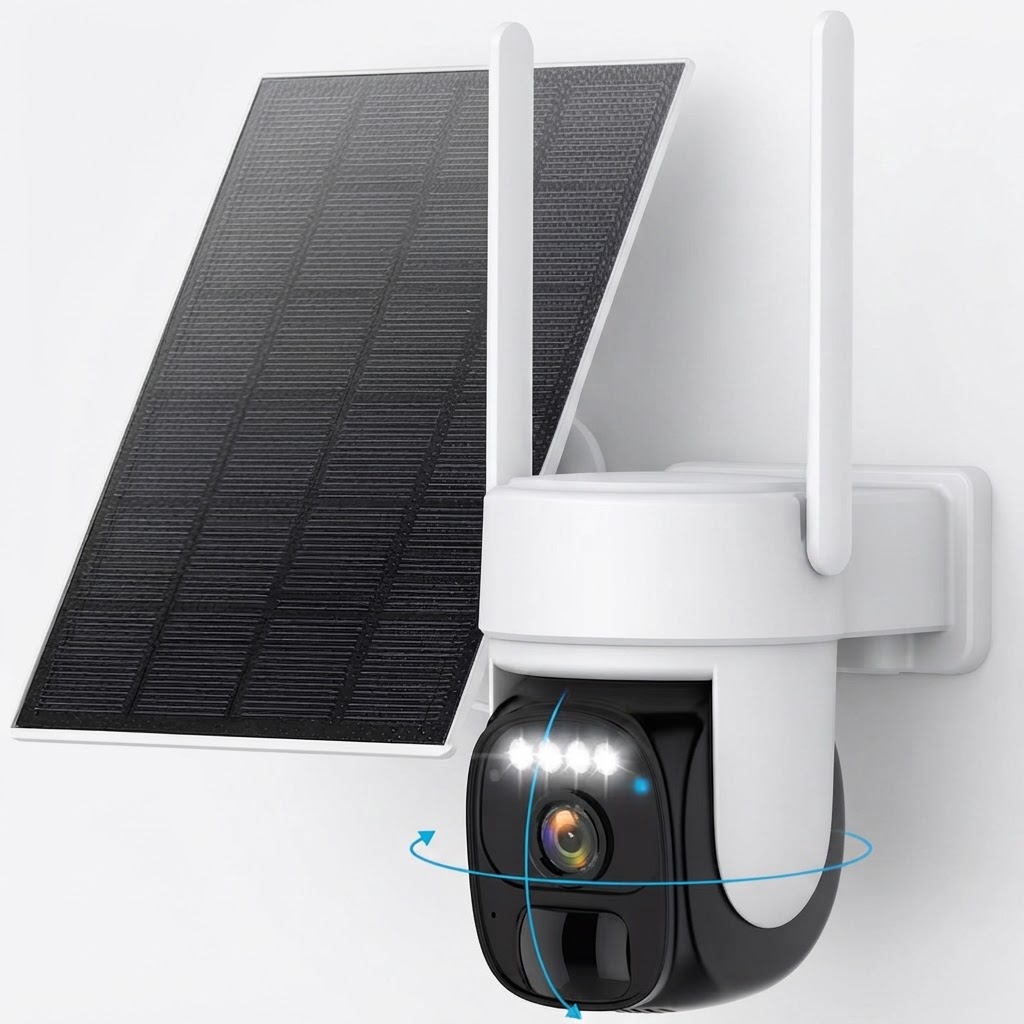
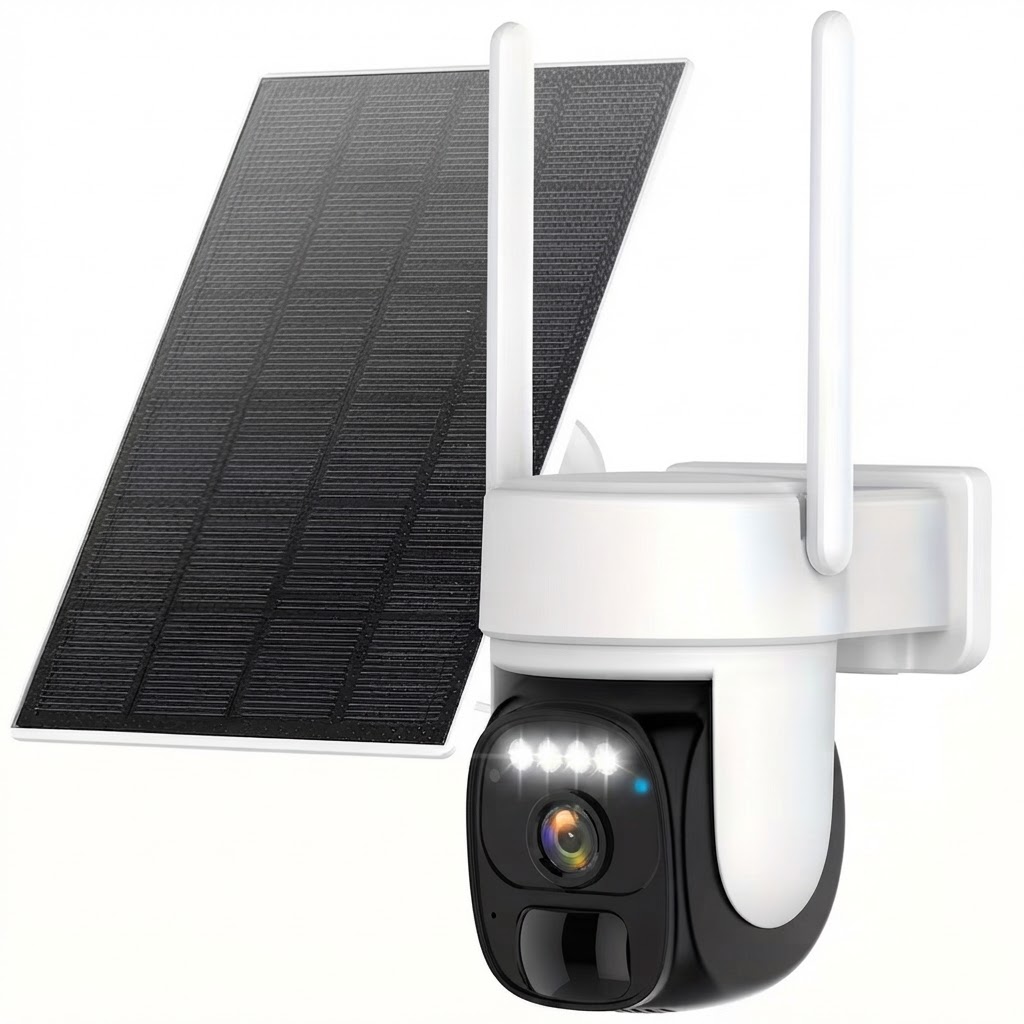
Modern perimeter defence relies heavily on multi-angle coverage. Utilizing devices equipped with PTZ (Pan-Tilt-Zoom) functionality allows a single camera to sweep across wide yards or parking structures. A camera featuring a 355 degrees camera pan angle degrees provides extensive horizontal sweeping, significantly reducing the total number of hardware units required to secure a large space.
Primary Placement Locations for Property Coverage
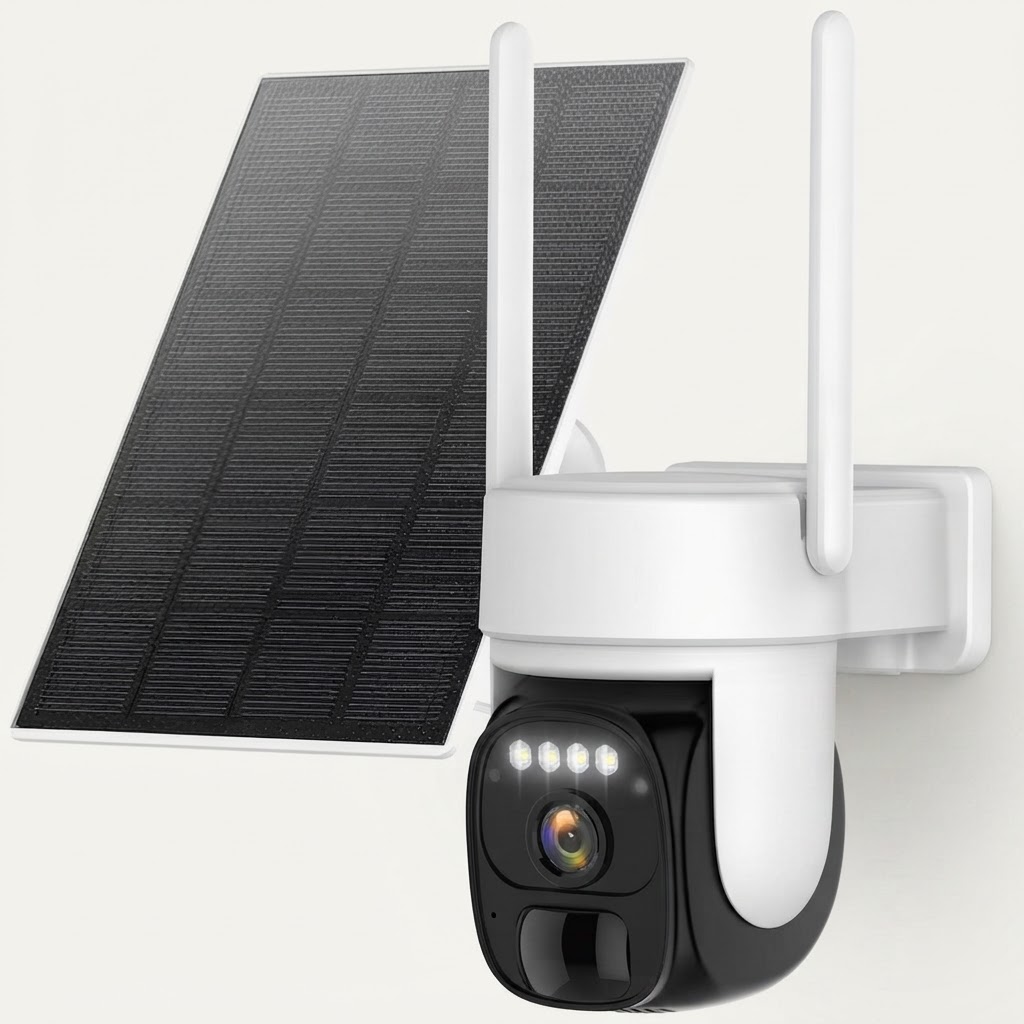
When deploying devices like the Outdoor Solar Security Camera, utilizing 1080p Full HD video resolution ensures clear video output across all these critical security zones.
Height and Angle Considerations for Optimal Field of View
To balance clear face identification with physical protection from tampering, mount your cameras at a recommended installation height feet of 8-10 feet off the ground. Mounting lower than 8 feet makes the camera vulnerable to physical disablement, while mounting above 10 feet creates extreme downward angles that capture the tops of heads rather than facial features.
Angle the lens downward at approximately 15 to 30 degrees. Nighttime effectiveness relies heavily on illumination capabilities. Cameras featuring 33 feet night vision range feet allow precise monitoring of entry corridors even in total darkness, while integrated color night vision preserves critical details like clothing or vehicle color.
Solar Panel Positioning and Direct Sunlight Requirements
Solar-powered surveillance offers continuous, wire-free protection, but hardware efficiency depends entirely on panel placement. To ensure continuous operation powered by the integrated 5200 mAh battery capacity, the attached 3.5W solar panel wattage must receive direct sunlight hours required of 3-5 hours daily.
Position solar panels facing south (or equator-ward depending on your hemisphere) free from roof overhangs, tall trees, or gutter shadows. After initial unboxing, complete an initial charge time hours of 8-10 hours via direct USB before final mounting. Under standard operation, the panel maintains operational levels with a battery recharge time hours of 4-8 hours under full sun exposure.
Avoiding Common Security Camera Placement Mistakes
- Pointing directly into bright light sources: Direct sunlight or strong outdoor lamps cause lens flare and overexposure, obscuring crucial footage.
- Ignoring glass reflections: Positioning a camera inside looking out through a window blinds the sensor at night due to infrared reflection.
- Overlooking local local storage & app range: Ensure your installation point maintains strong wireless WiFi connectivity to connect with the Tuya Smart app for instant motion detection notifications.
- Failing to protect local storage: Utilize cloud storage support with an included 30 days cloud storage trial days alongside an onboard backup supporting max microSD card capacity GB of 128 GB to prevent physical data loss.
Related in this cluster
- 5 Best Placement Locations for Outdoor Security Cameras
- How to Mount and Position a Solar Security Camera for Maximum Sunlight
- Front Door vs Back Door Camera Placement: Where to Install First?
- Eliminating Blind Spots with PTZ Solar Security Cameras
- Outdoor Security Camera Placement FAQs: Height, Angles, and Solar Needs
- How Solar Panel Placement Impacts Security Camera Battery Life