Tapo SolarCam Price Drop and Outdoor Security Trends
 Priya RamanSenior Analyst
November 2, 2026 — Amazon has initiated a significant price reduction on the Tapo SolarCam 1080p, positioning it as a budget-entry point for wireless outdoor surveillance. This market shift highlights an increasing consumer move toward self-sustaining, battery-powered security solutions that integrate with smart home ecosystems.
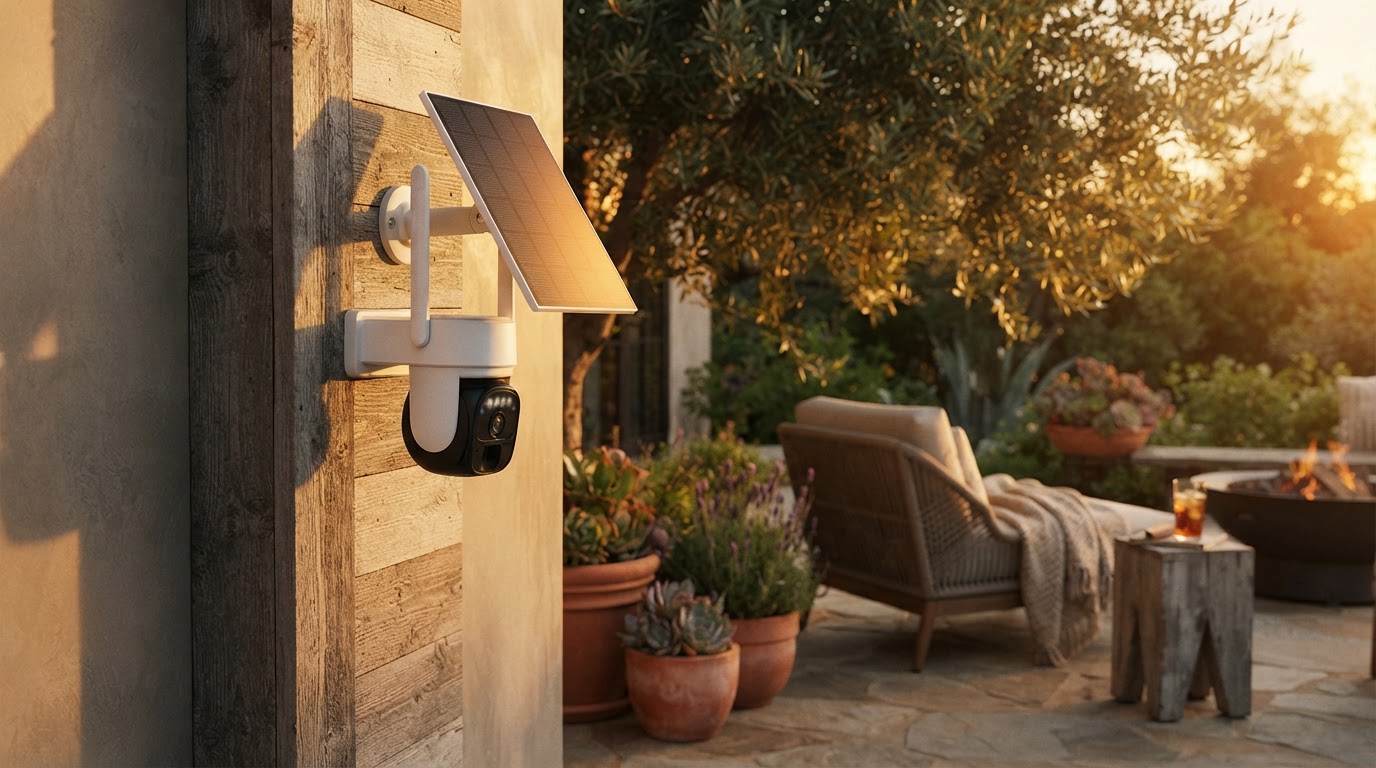
To evaluate the current landscape, think of it as a matrix of two primary axes: Mobility and Coverage Depth. On the Mobility axis, we measure how easily a device functions without wired infrastructure, such as the battery-and-solar combination found in the Tapo SolarCam. On the Coverage Depth axis, we evaluate the mechanical ability to monitor expansive areas, shifting from fixed-lens units to Pan-Tilt-Zoom (PTZ) systems. Once you see it this way, the distinction between entry-level fixed cameras and advanced systems like the Outdoor Solar Security Camera becomes clear. The decision rule: prioritize fixed-lens budget units for narrow entryways, but deploy PTZ-enabled solar cameras for perimeter coverage where blind spots are a liability.
According to Slickdeals.net, the Tapo SolarCam 1080p is currently listed at $39.97 with free shipping and handling at Amazon. This specific model features person detection and works with both Alexa and Google Assistant, according to the same Slickdeals.net report. While this price point is aggressive for a 1080p unit, users must weigh the fixed field of view against the comprehensive coverage offered by an Outdoor Solar Security Camera. The latter provides PTZ capabilities, allowing for 360-degree property monitoring that static cameras cannot replicate.
Integration with wireless wifi connectivity ensures that these devices remain responsive to mobile app commands. For users requiring color night vision, the hardware must support high-intensity LEDs that function efficiently on solar-stored power. Furthermore, the transition from subscription-free local storage to encrypted cloud storage options represents a critical choice in data redundancy for business and residential users alike.
Expert tip: When installing solar-powered units, verify the wattage output of the integrated panel against the camera’s idle power draw. For PTZ cameras that utilize motors for panning and tilting, ensure the panel receives at least four hours of direct sunlight daily to maintain the battery buffer required for nighttime color recording and two-way audio functions.
The current market volatility in pricing reflects a maturing industry where solar reliability is no longer a premium feature but a standard expectation. Selecting the right hardware requires balancing initial acquisition cost against the long-term utility of total property visibility.