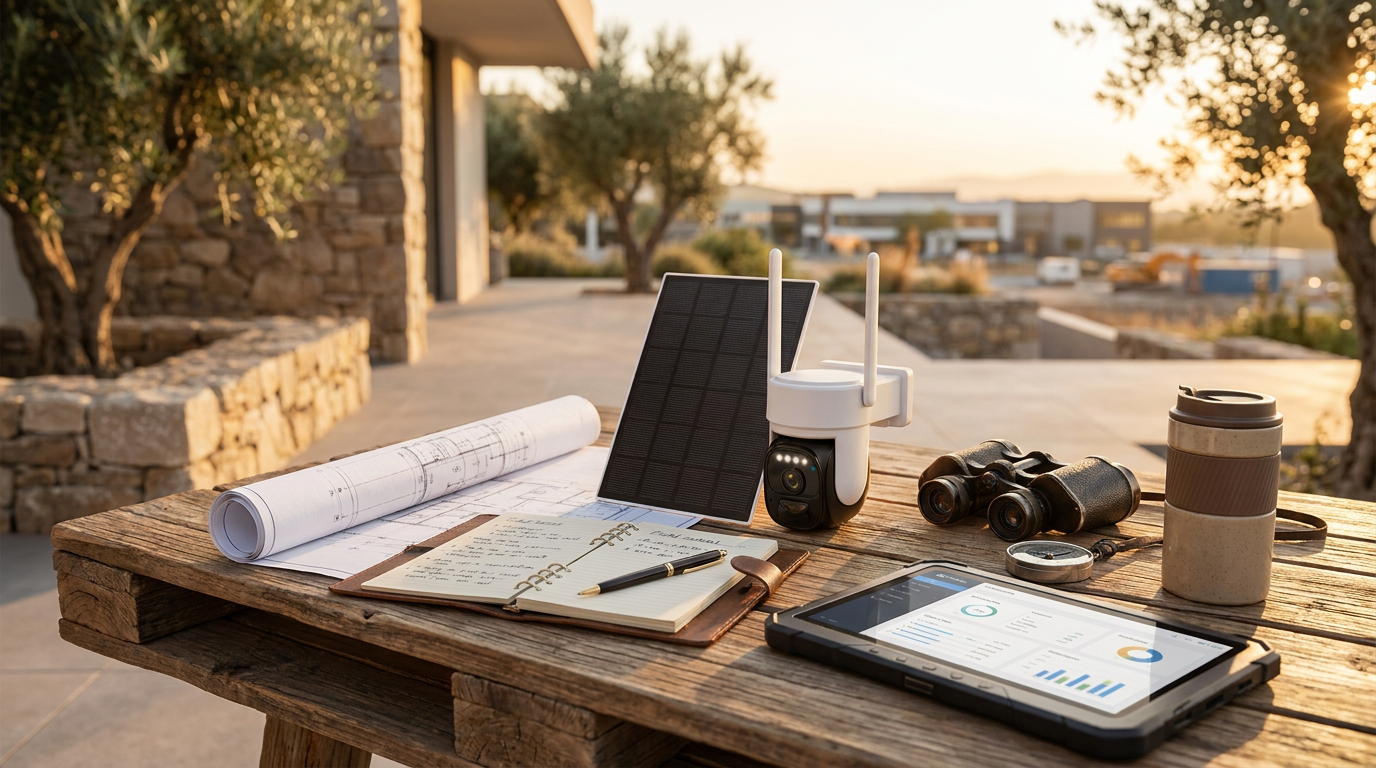
5 Pan Tilt Zoom Surveillance Camera Standards for Business
 Maya ChenContributing Editor
Securing large commercial properties like construction sites or expansive parking lots presents a unique challenge: monitoring vast areas without extensive wiring. The modern pan tilt zoom surveillance camera for business, integrated with solar power, offers a flexible solution. An Outdoor Solar Security Camera allows managers to deploy high-performance surveillance in off-grid locations. To ensure a reliable return on investment, evaluate hardware against five key performance standards.
Key Performance Standards for a Business PTZ Camera
Commercial environments demand hardware that withstands constant use. Moving beyond basic specs to assess core engineering is essential for long-term success.
6. Deployment Geometry: Height, Angle, and the Panel
Hardware standards mean little if the physical deployment fights them. Mounting height is the classic error: the instinct to mount as high as possible maximizes coverage and minimizes evidence quality, because past roughly 12 to 15 feet the downward angle steepens until faces become hat-tops and license plates foreshorten into unreadability. The working compromise for most lots and sites is the 9-to-12 foot band — above casual tampering reach, still shallow enough for identification. Solar units add a second geometry problem: the panel wants unobstructed southern exposure while the camera wants to face the activity, and the two directions rarely agree. Prefer models with independently aimable panels, or mount the panel separately on a short cable run, rather than compromising either function to serve the other. Pole mounts beat wall mounts on open sites for exactly this reason — a pole offers 360-degree camera freedom and clean panel aim simultaneously, while a wall imposes its own orientation on both.
1. Mechanical Durability and High-Cycle Reliability
A commercial PTZ camera is a workhorse, performing automated patrols and tracking subjects hundreds of times daily. This requires high-cycle reliability—internal motors and gears engineered to withstand thousands of movements without failure. Look for high-efficiency brushless motors, which consume less power and offer a longer lifespan than brushed alternatives. Metal housings provide superior durability and heat dissipation compared to plastic.
2. True Optical Zoom for Actionable Clarity
For business surveillance, capturing evidence is paramount. Digital zoom enlarges pixels, resulting in blurry images. True optical zoom uses physical lens elements to magnify the scene, preserving high-definition clarity. A business-grade PTZ camera should offer substantial optical zoom (e.g., 4x, 10x, or more) to identify details from over 100 feet away. This is essential for tasks like driveway motion detection or confirming threats across a large yard.
3. Power Efficiency and Solar Integration
The advantage of an Outdoor Solar Security Camera is autonomy, but motorized functions are power-intensive. A superior system achieves synergy between consumption and generation. The camera must feature energy-efficient motors and a low-power standby mode. This must be paired with a high-capacity battery and a solar panel designed to replenish the battery even on overcast days. This balance is why a PTZ outdoor solar security camera is a smart investment for properties without grid access.
4. Advanced Intelligent Tracking
Modern PTZ cameras use AI-powered analytics to distinguish between people, vehicles, and irrelevant motion. When a subject enters a zone, the camera can automatically lock on and follow it. This automates monitoring and ensures critical events are captured. Look for features like "guard points" and automated "tours" that allow a single camera to monitor multiple key areas systematically.
5. All-Weather Durability (IP Rating)
Weatherproofing is non-negotiable. The industry standard is the Ingress Protection (IP) rating. A rating of IP66 or higher is essential for commercial use. An IP66 rating ensures the housing is protected from dust and powerful water jets from any direction (Source: Molex). This protects mechanical PTZ components from rain, snow, and high-pressure washing.
Secure and Flexible Data Management
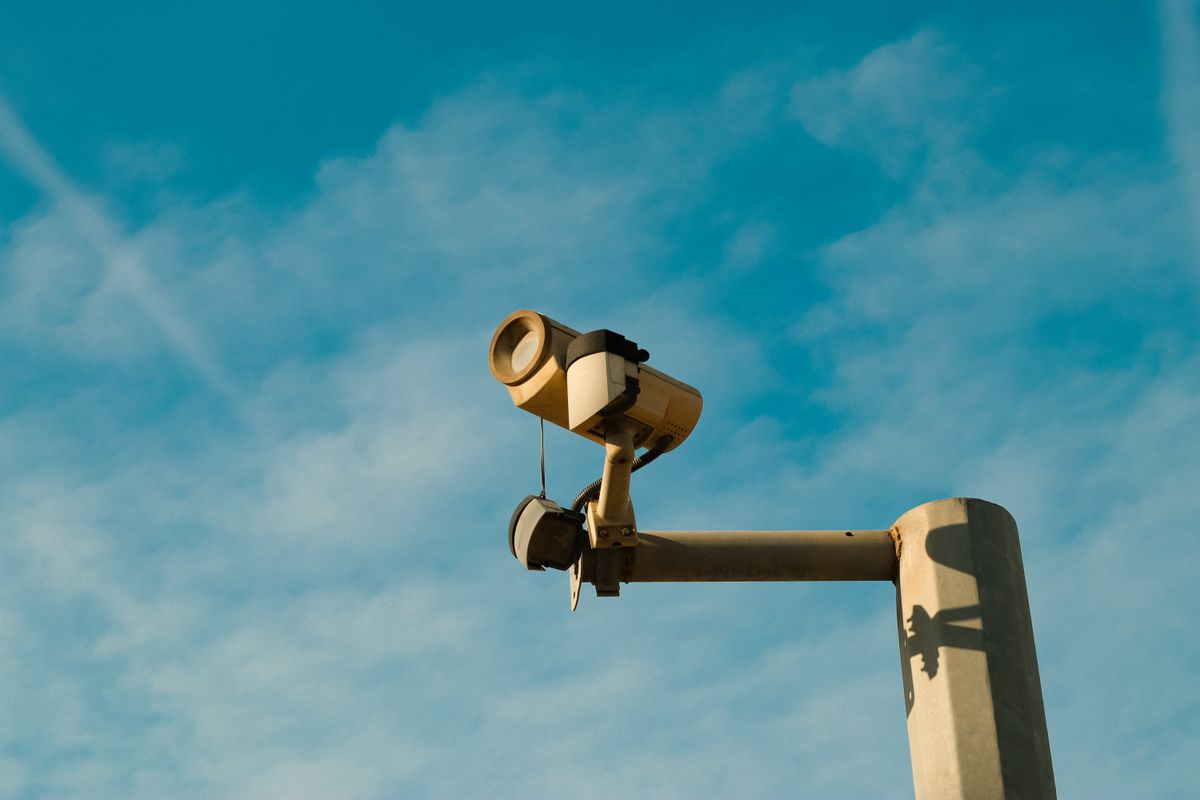
Photo by Efe Burak Baydar on Pexels
Business-grade systems offer multiple storage options. SD cards provide a self-contained solution, while cloud storage offers remote access and off-site backup. Choosing between cloud vs. local storage for your outdoor solar security camera impacts your data security and operational workflow.
By prioritizing these standards, you can select a pan-tilt-zoom surveillance camera for business that delivers security and long-term value.
Shop Outdoor Solar Security Camera. The operational settings deserve as much rigor as the hardware selection, because a solar PTZ lives on a power budget that configuration can bankrupt. Continuous automated patrol tours are the biggest line item — a camera sweeping its tour every few minutes consumes motor power all day and can outrun the panel's harvest in short winter daylight, arriving at the weekend with a flat battery. The sustainable pattern for most sites is event-driven: the camera rests at its most important guard point and moves when analytics detect a person or vehicle, with scheduled tours reserved for high-risk windows like overnight hours. Alert tuning is the human half of the same discipline: a system that pushes a notification for every headlight sweep and raccoon trains its owner to ignore it within a fortnight, which is functionally the same as having no alerts at all. Spend the first week tightening detection zones and person/vehicle filters until alerts are rare enough to be believed — the measure of a working configuration is not how much it notifies but whether a notification still commands attention in month six.
Frequently Asked Questions
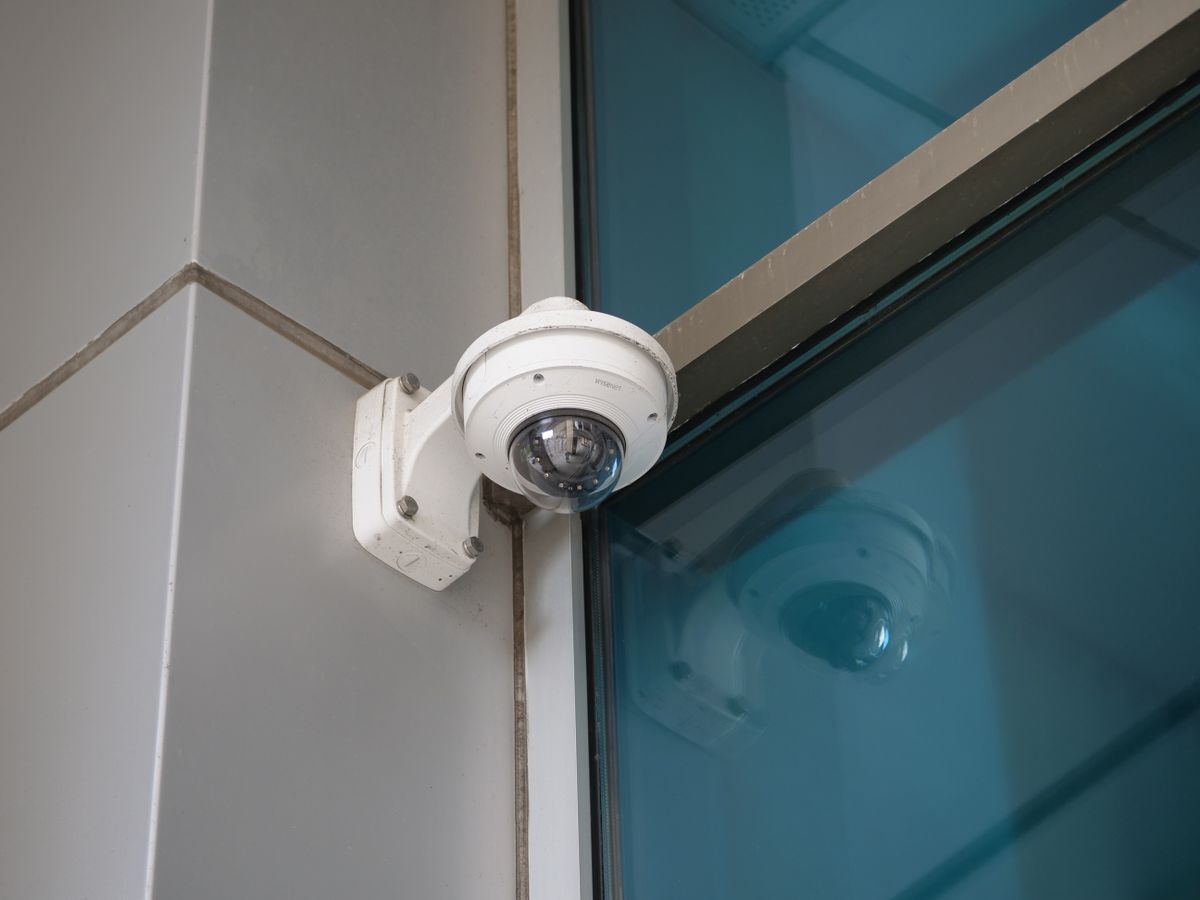
Photo by Giant Asparagus on Pexels
What are the legal basics for business surveillance?
Rules vary by jurisdiction, but four practices keep a commercial deployment on the defensible side of nearly every regime. Post clear signage that the premises are under video surveillance — in many places it is required, and everywhere it converts the cameras from covert monitoring into disclosed deterrence, which is both the legal and the practical high ground. Aim with restraint: a PTZ's ability to look anywhere is precisely why its presets should not — keep coverage on your own property and its approaches, and avoid dwelling on neighboring businesses, residential windows, or areas where anyone has a reasonable expectation of privacy. Audio is its own, stricter category: recording conversations triggers wiretap-class laws in many jurisdictions, so leave microphones disabled unless counsel has specifically blessed them. Finally, adopt a written retention habit — footage kept for a defined window (commonly 30 to 90 days) and then overwritten is easier to defend and manage than an indefinite archive. Ten minutes with local requirements before deployment costs less than one dispute afterward.
What is the primary benefit of a PTZ camera for a business?
A single PTZ camera can cover an area that would otherwise require multiple fixed cameras, reducing costs and eliminating blind spots. The ability to pan, tilt, and zoom provides situational awareness that fixed cameras cannot match.How does solar power impact the performance of a PTZ camera?
A properly engineered system enables PTZ performance in remote locations. The key is a balanced system where an efficient, low-power PTZ mechanism is paired with a high-capacity battery and a large solar panel.