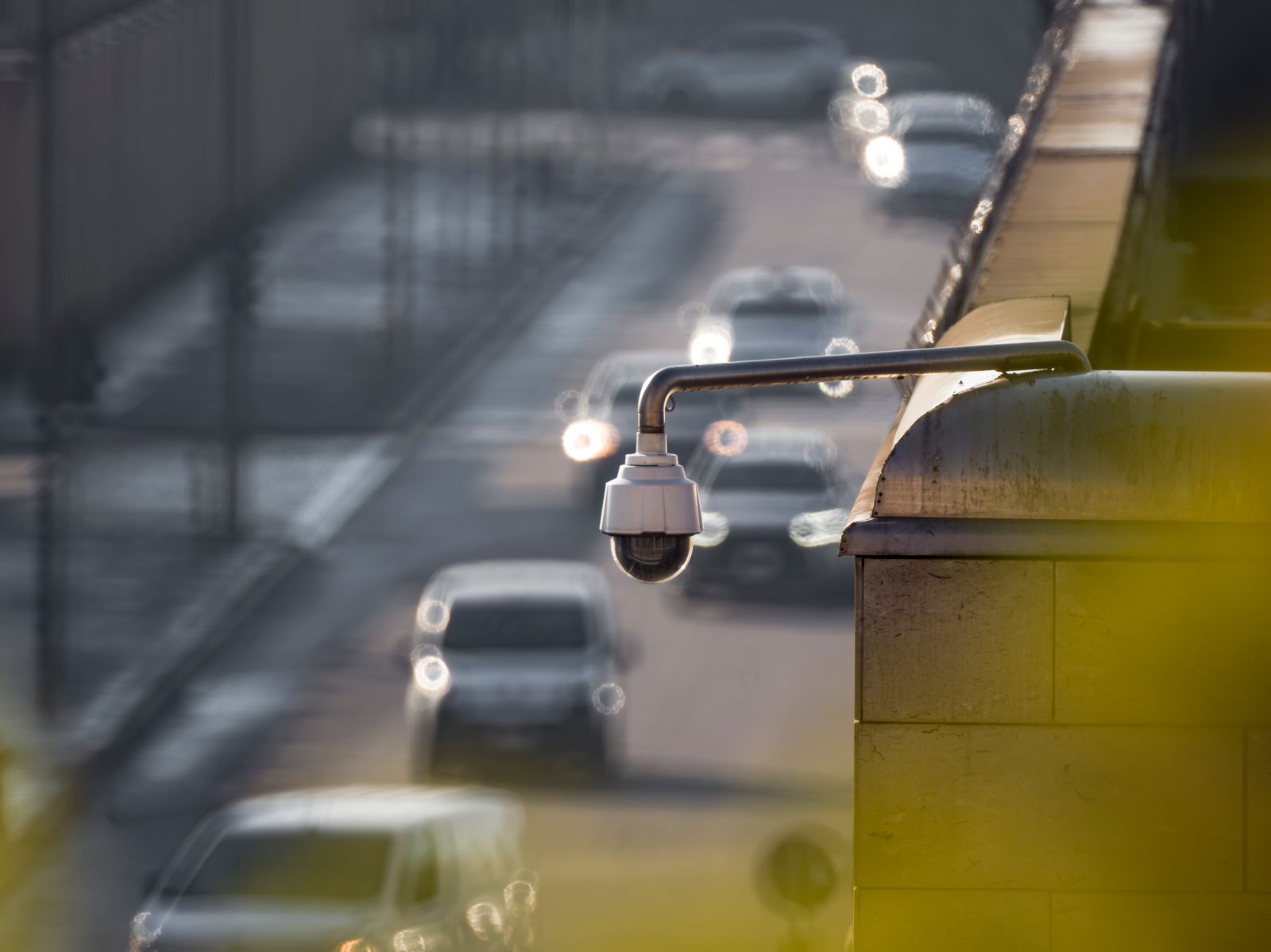
Outdoor Camera Privacy and Neighbor Etiquette: Boundaries, Audio, and Shared Driveways
The general principle in most places is that filming your own property is uncontroversial, filming into someone else's home or enclosed yard is not, and recording audio is often held to a stricter standard than recording video. The specifics vary by state, province, and country, and can vary again for a business, a landlord, or a shared access road — so treat what follows as a way to frame the question and confirm the details for your own location before you finalize an angle. None of this is legal advice.
What is generally accepted, and what generally is not
| Situation | Usually uncontroversial | Usually a problem | |---|---|---| | Your own door, yard, or driveway | Yes | — | | Public sidewalk or street incidentally in frame | Commonly accepted | Deliberately monitoring a public space at length can be viewed differently | | A neighbor's home interior, windows, or enclosed garden | — | Pointing a camera at these is the clearest way to create a dispute or a legal problem | | A shared driveway or shared access | Covering your portion and your own vehicles | Covering a neighbor's parking, door, or windows | | Audio recording of conversation | Rarely a safe assumption | Often restricted separately from video; check locally before enabling | | A rented property | Cameras covering your own entrance, with permission for fixings | Cameras covering shared interior space or other tenants' areas | | A workplace | Entrances, stock areas, tills, with notice given | Break rooms, changing areas, or covert monitoring of staff |
Two things drive nearly every dispute: a camera that visibly points at a neighbor's private space, and audio nobody was told about. Both are avoidable at install time and hard to undo afterward.
How to set an angle you will not have to defend
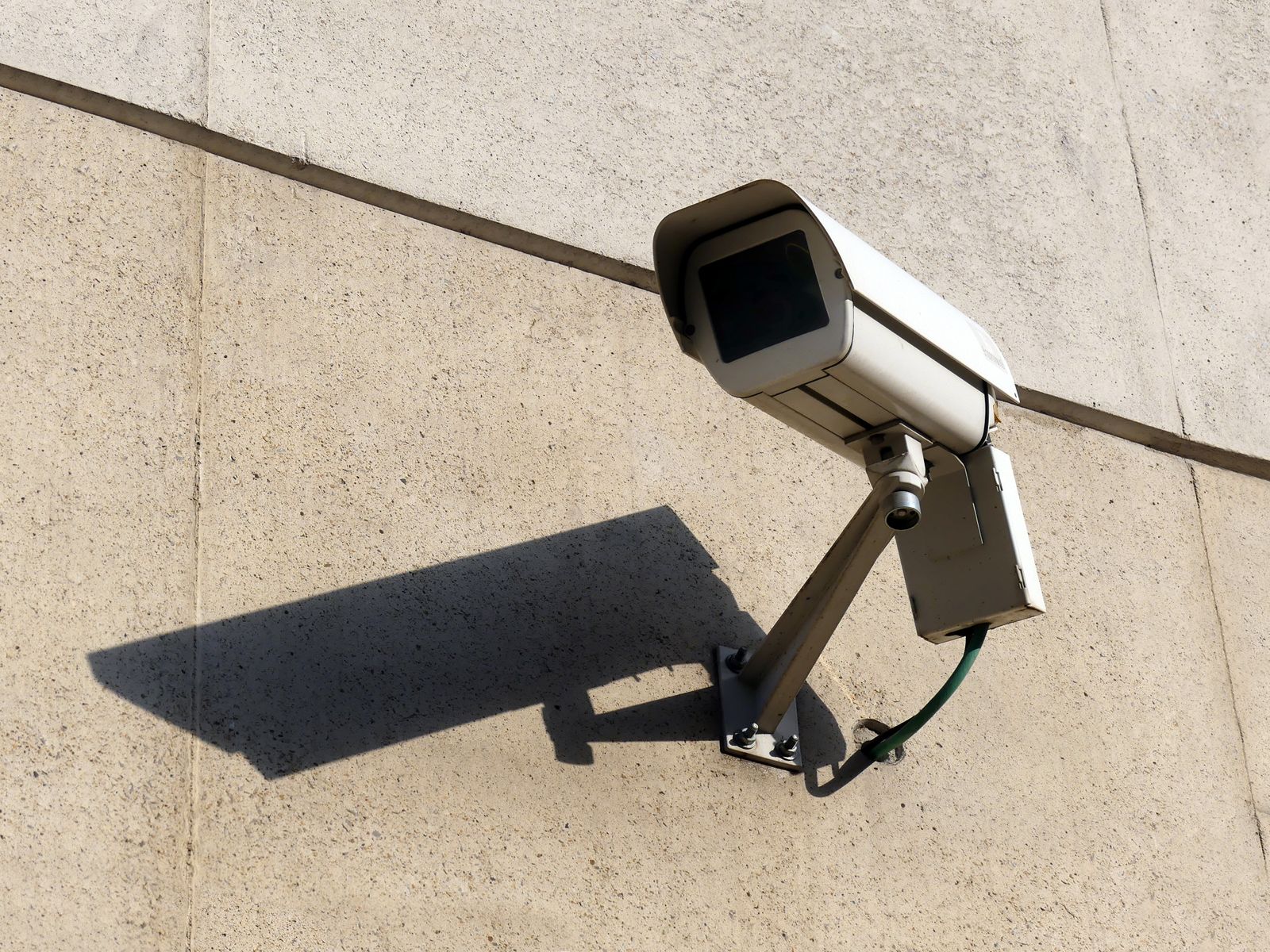
Photo by Atypeek Dgn on Pexels
Discreet installations are held to exactly the same standard as obvious ones — a camera being hard to see does not make an intrusive angle acceptable. Placement principles for low-profile units are covered in the guide to discreet outdoor camera placement.
What to do about a shared driveway
Shared access is the most common flashpoint, because both households have a legitimate interest in the same strip of ground. The workable arrangement is almost always this: each party covers their own vehicles, their own door, and their own portion of the access, and neither points a camera at the other's home.
A short conversation, before installation, that covers four things resolves most of it:
- What the camera covers, described plainly — "our door and our two cars".
- Whether audio is recording. Say so; do not leave it to be discovered.
- What you would do with footage if something happened, including whether you would share it with them.
- An offer to look at your live view so they can see for themselves.
If a neighbor's camera appears to cover your private space, start with the same conversation in reverse rather than with a complaint. Ask what it covers, and ask whether the angle can shift a few degrees. Escalation should be the last step, not the first, and it should go through the appropriate local body rather than through the fence.
Renting, landlords, and shared buildings
Tenants can generally put a camera on their own entrance, but the fixings, the shared space, and the other tenants change the picture. Get written permission for anything that penetrates a wall, keep coverage to your own door and your own space, and do not cover shared hallways, shared yards, or another tenant's entrance without the landlord's agreement and clear notice to everyone affected.
Landlords face the reverse constraint: cameras in and around a let property that cover a tenant's private living space are a serious problem in most jurisdictions, regardless of intent. Coverage of a shared exterior entrance with clear notice is the usual limit. Removable, non-invasive installation options for tenants are covered in the notes on cameras for rented homes.
Does a business have extra obligations?

Photo by David Henry on Pexels
Generally yes, and they tend to come in three forms: notifying people that recording takes place, limiting monitoring of employees to areas where it can be justified, and handling recorded footage as data that people may be able to request or that must be kept securely and not indefinitely. The details differ substantially between jurisdictions, and the penalties are real, so a business owner should confirm the local requirements rather than infer them from residential practice.
The practical baseline that satisfies most regimes: give visible notice at entrances, keep cameras on entrances, stock, and till areas rather than on break spaces, restrict who can review footage, keep it only as long as there is a reason to, and be able to explain why each camera exists. Getting the entrance and approach coverage right is where most of the useful value sits anyway, as set out in the notes on covering an approach or driveway.
FAQ
Is it legal to record a public sidewalk that happens to be in frame? Incidental capture of a public area is commonly accepted, but deliberately monitoring public space, and how much of it you capture, can be treated differently depending on where you are. Keep the frame focused on your own property and confirm the local position if a public area makes up a large part of the view.
Can audio just be left on? That is the assumption most likely to cause trouble. Audio recording of conversations is often governed by separate and stricter rules than video, and those rules differ widely by location. Leave it off by default, check what applies locally, and treat two-way audio at your own door as a narrower use than continuous recording.
Does a neighbor have to be told about a camera? Notification requirements vary, and in many residential settings there is no formal duty for an ordinary outdoor camera on your own property. Telling them anyway is still the right move: it costs one conversation and prevents the dispute that starts when they work it out themselves.
What if a camera catches something happening on a neighbor's property? Incidental capture happens, and handing relevant footage to the authorities or to the neighbor is reasonable. What is not reasonable is aiming a camera at their property in order to monitor it, or posting footage of them publicly. Never position a camera to look inside a neighbor's home or enclosed yard.
How long should footage be kept? Only as long as there is a reason. For a household that usually means the rolling window the storage provides, with anything relevant saved deliberately. For a business, a written retention period is expected in many jurisdictions.
Next step
Before you tighten the final bracket, stand at the camera position and look hard at the edges of the frame. If a neighbor's window, door, or enclosed yard sits inside it, change the angle. Then check the local position on audio recording, leave audio off until you have, and have the one-minute conversation with the households either side.
Cover photo by tommy picone on Pexels.