
Aosu Solar Camera Bundle Tests Market Saturation Limits
 Maya ChenContributing Editor
May 28, 2026 — A multi-unit solar surveillance bundle from Aosu has entered the mid-range market, offering a four-camera system for under $300. The package, which includes a dedicated base station and pan-tilt-zoom capabilities, aims to capture consumers seeking total property coverage through a single purchase.
The conventional wisdom says that more hardware equates to better security. According to Slickdeals.net, the AOSU Official Store via Amazon is currently listing this 4-pack 3MP system for $299.98, which includes auto-tracking and 2K color night vision. While the price point is aggressive, here’s the part nobody talks about: the diminishing returns of 3MP resolution when spread across a 360-degree field of movement. Run the math: at $75 per unit, the hardware must compromise on sensor size or solar conversion efficiency to maintain its margins.
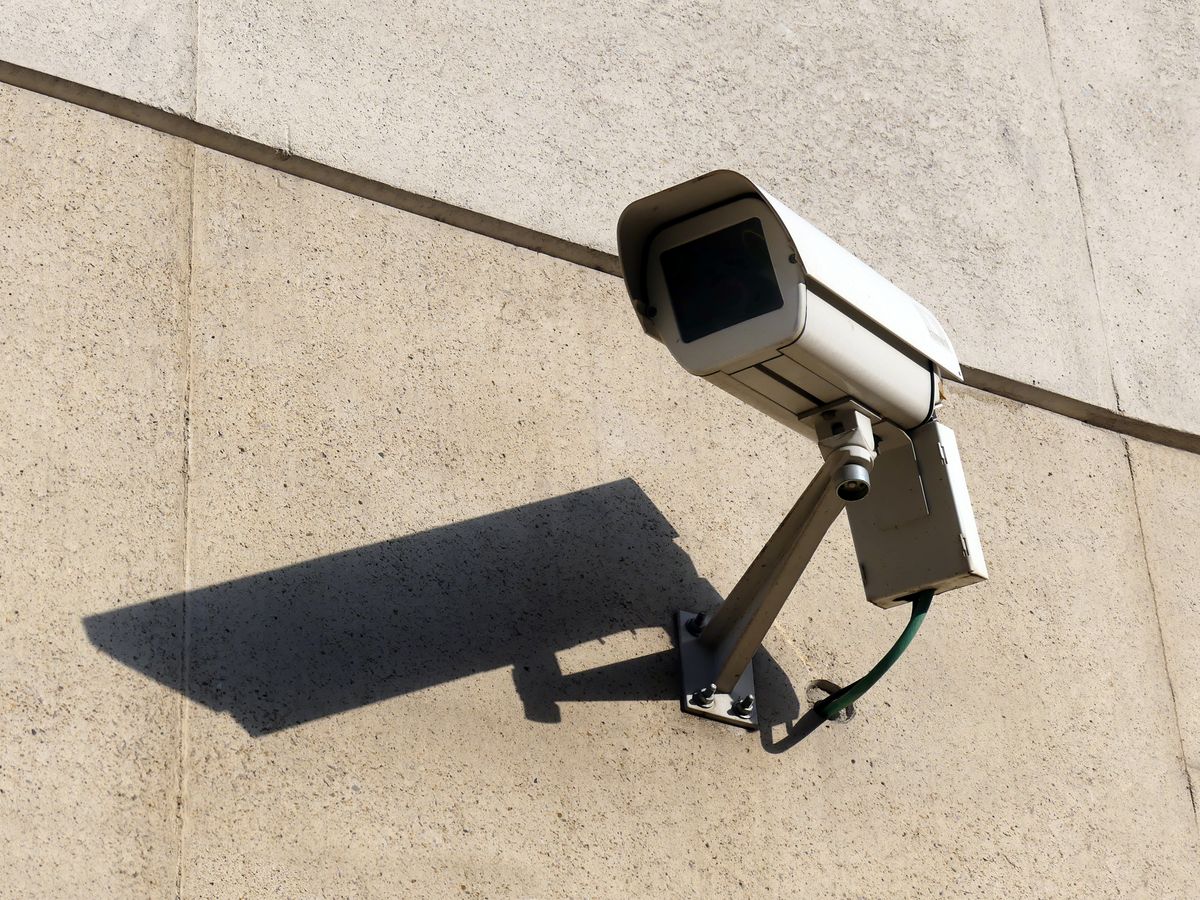
Photo by Atypeek Dgn on Pexels
When evaluating an Outdoor Solar Security Camera, the focus often shifts to the quantity of lenses rather than the quality of the wireless handshake. Slickdeals.net reports that this system utilizes an 'aosuBase' for connectivity, a central point of failure that can render all four cameras useless if the base station experiences interference or power loss. In contrast, standalone Outdoor Solar Security Camera units often prioritize individual reliability over bulk distribution. Many homeowners find that a higher-spec PTZ camera with two-way audio provides more actionable data than four lower-resolution sensors that struggle with motion detection lag. Furthermore, the reliability of cloud storage for four simultaneous 2K streams requires significant upstream bandwidth that the average residential WiFi connectivity often lacks.
Expert tip: When installing a multi-camera solar system, stagger the installation over a week rather than mounting all four at once. This allows you to monitor the battery drain on each unit under real-world trigger conditions before committing to permanent mounting holes.
I’ll change my mind when the industry provides transparent data on long-term battery degradation for sub-$100 PTZ units operating in high-traffic zones.
Shop Outdoor Solar Security Camera